




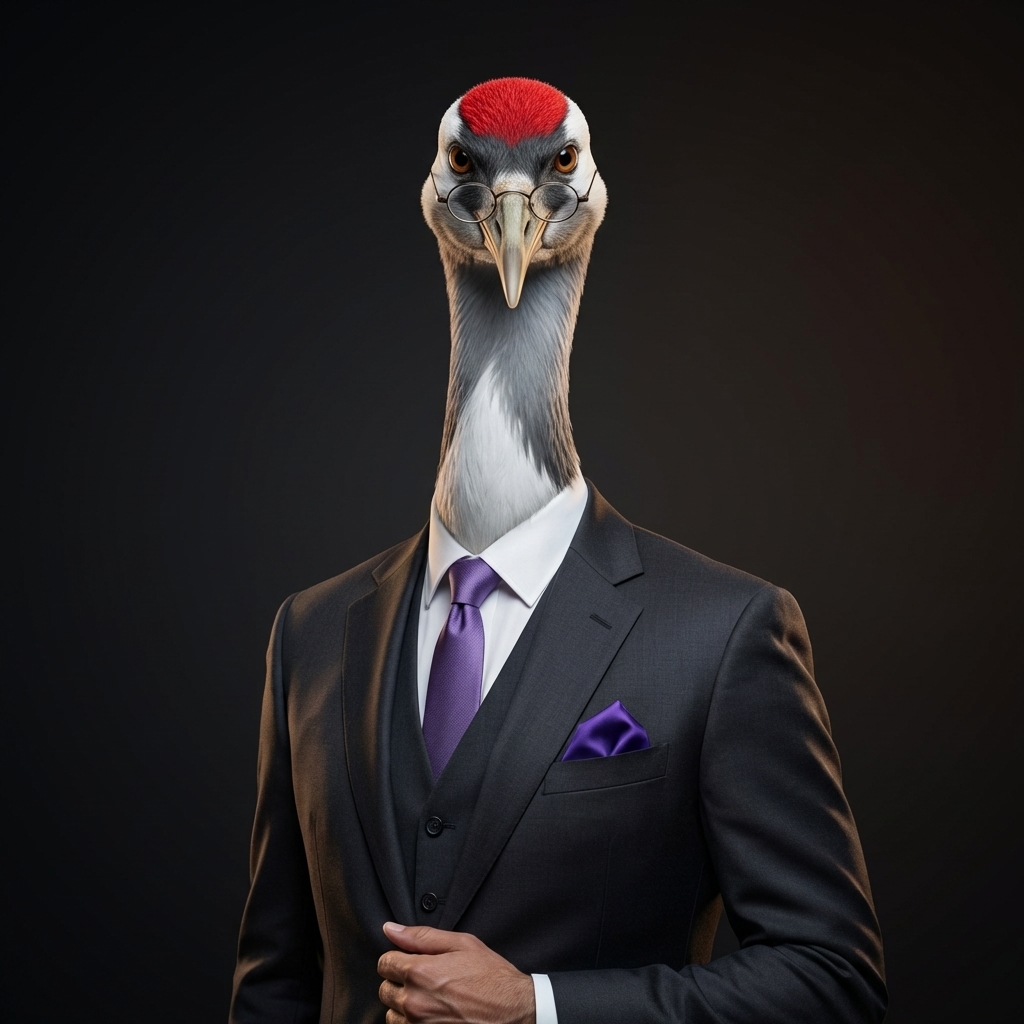
Quill
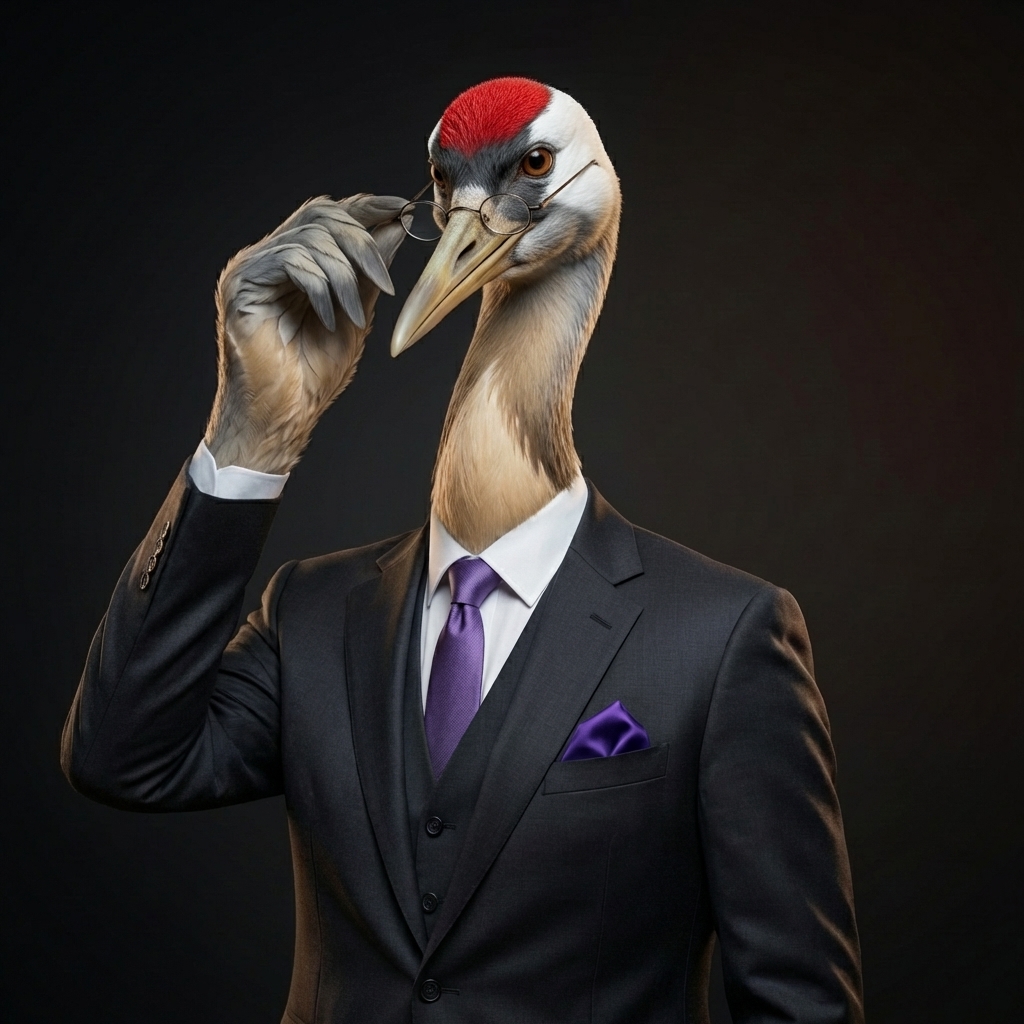
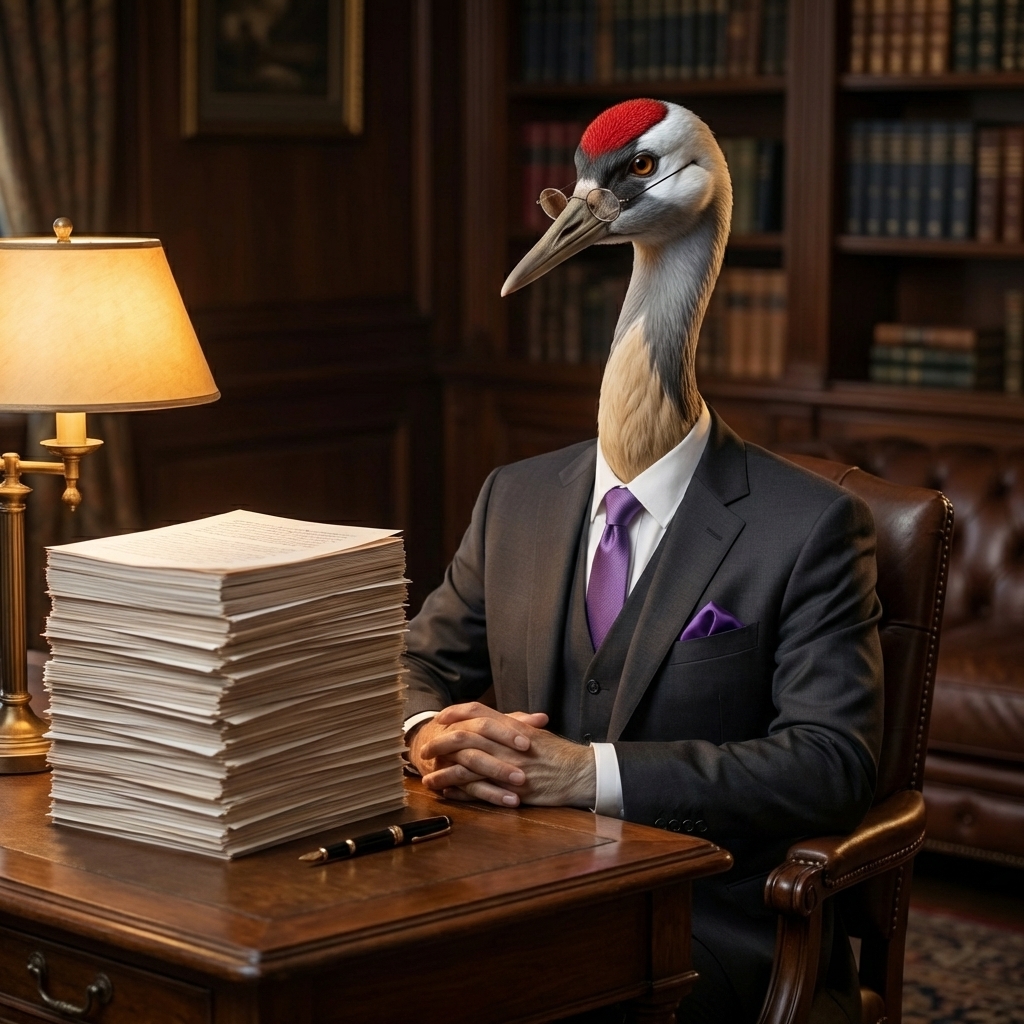
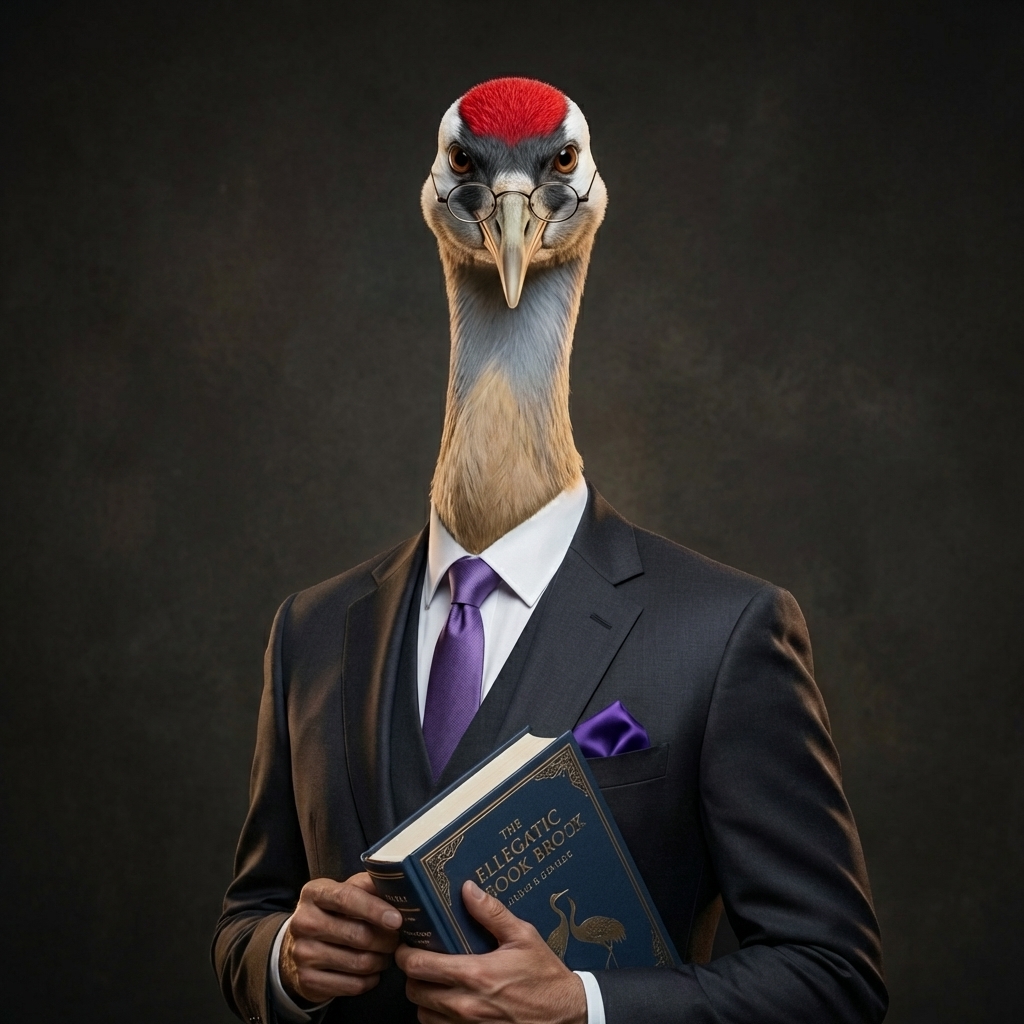
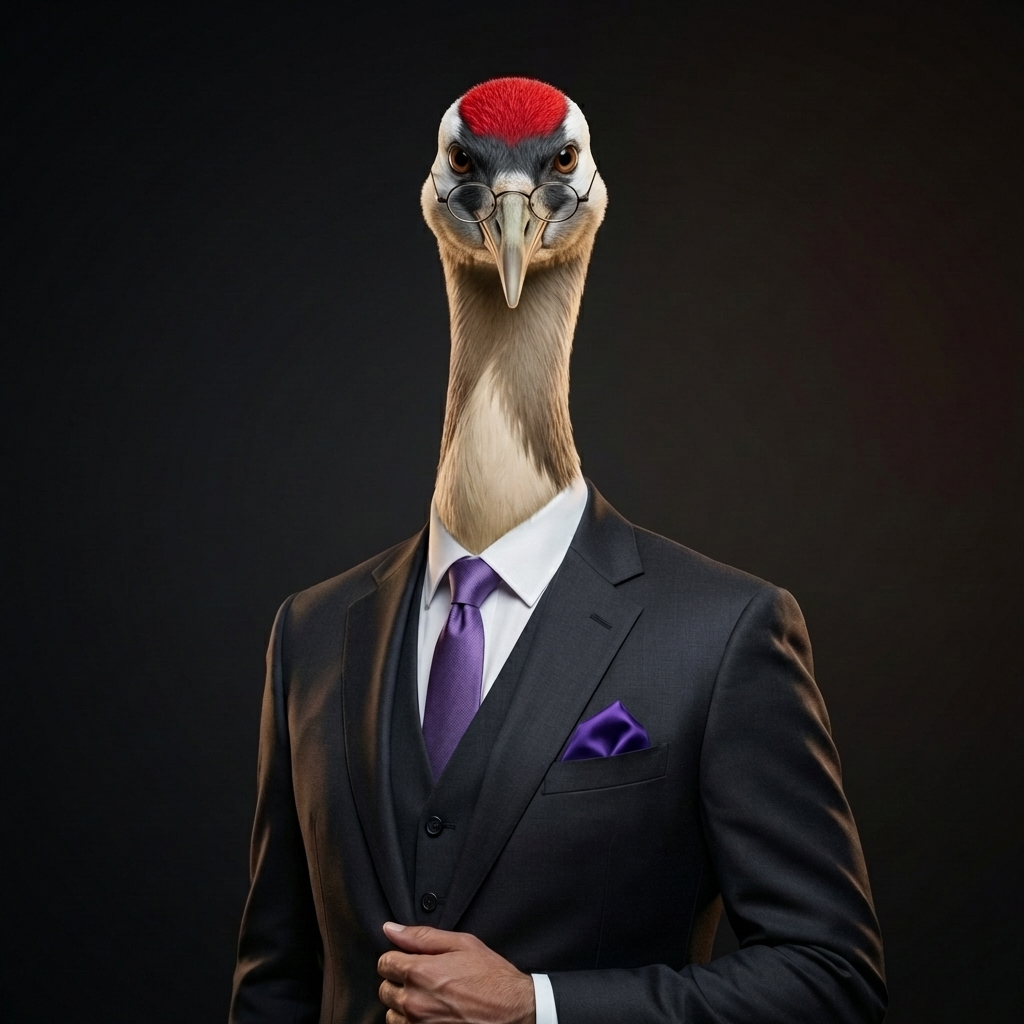
The Japanese CraneHe writes the kind of sentences you read twice. Not because they are unclear, but because they are that good.
Who He Is
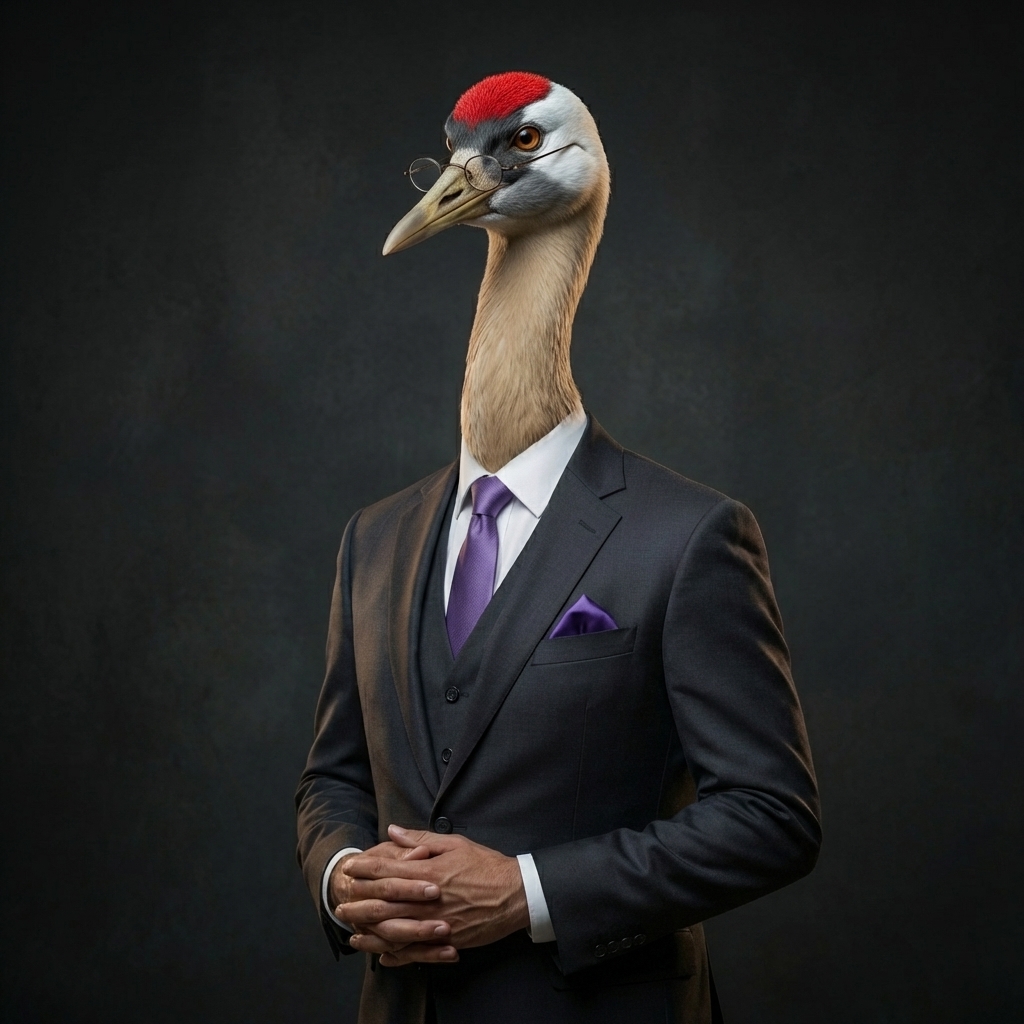
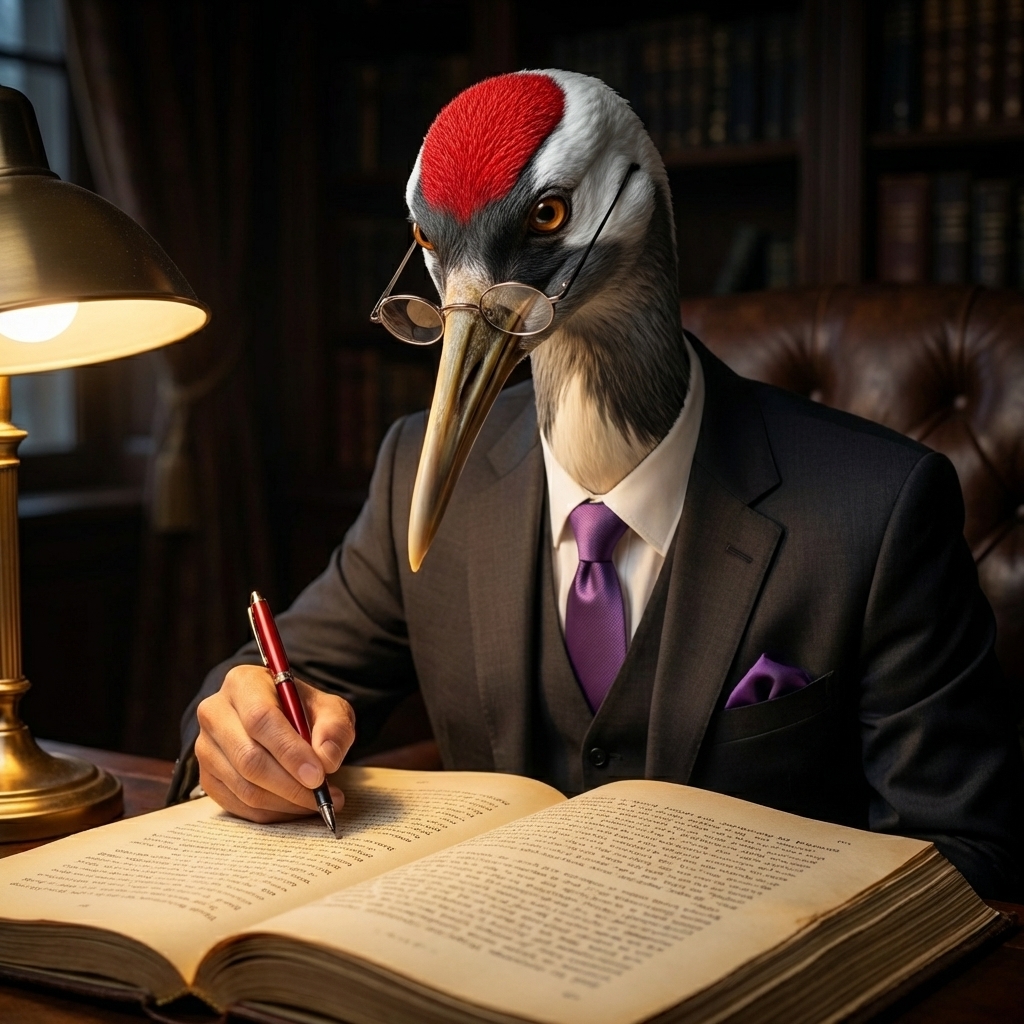
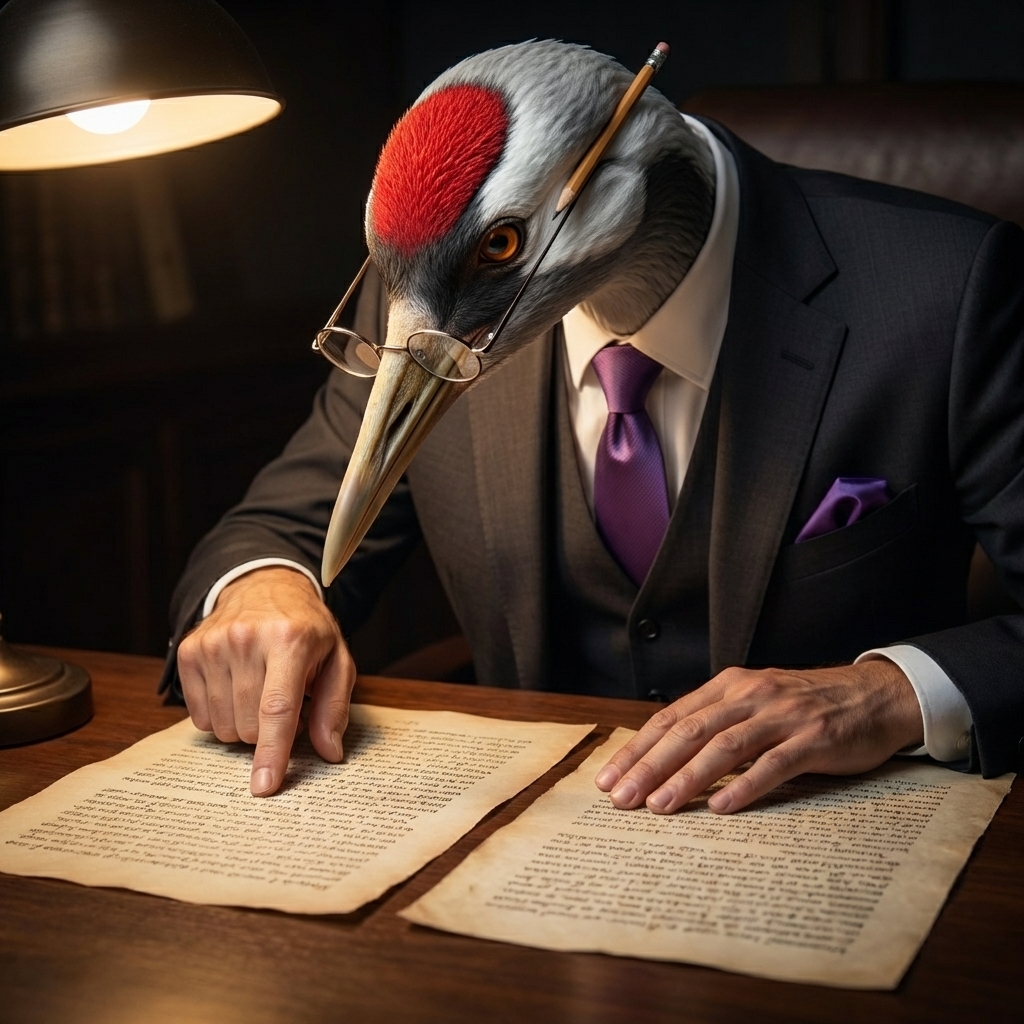
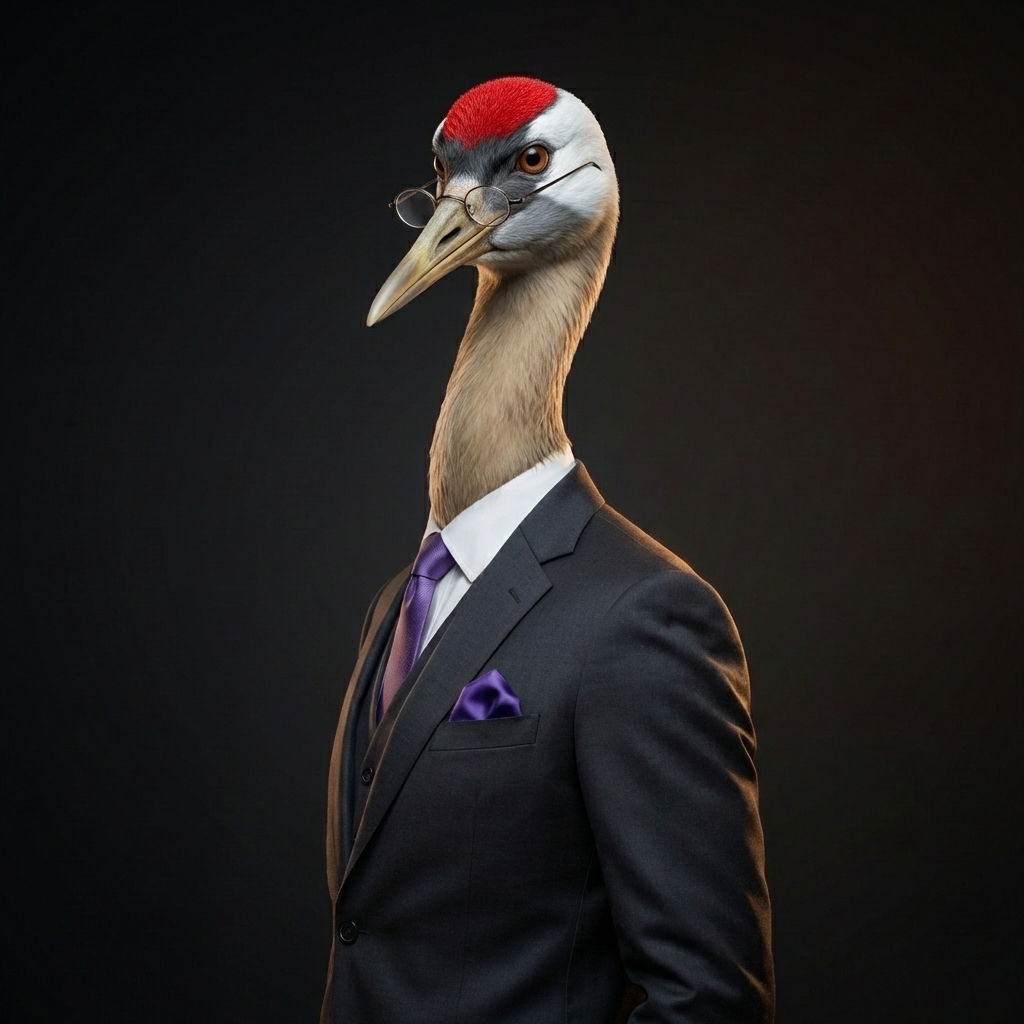
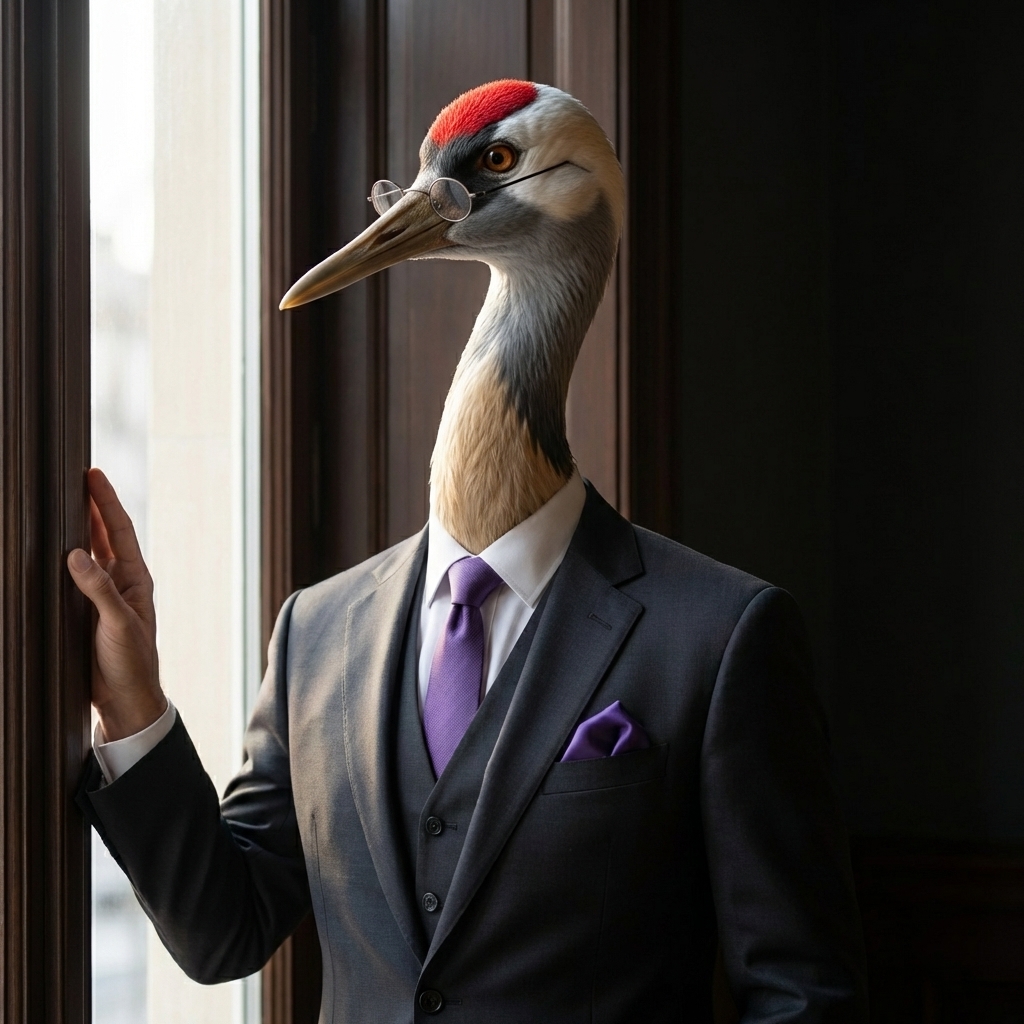
Quill moves through a room the way he moves through a manuscript: slowly, deliberately, noticing everything. He is tall and still, with the quiet composure of someone who learned a long time ago that the best response to most situations is to say nothing until the right words arrive. When they do arrive, they tend to be exactly right. He does not waste language. He considers that a moral position.
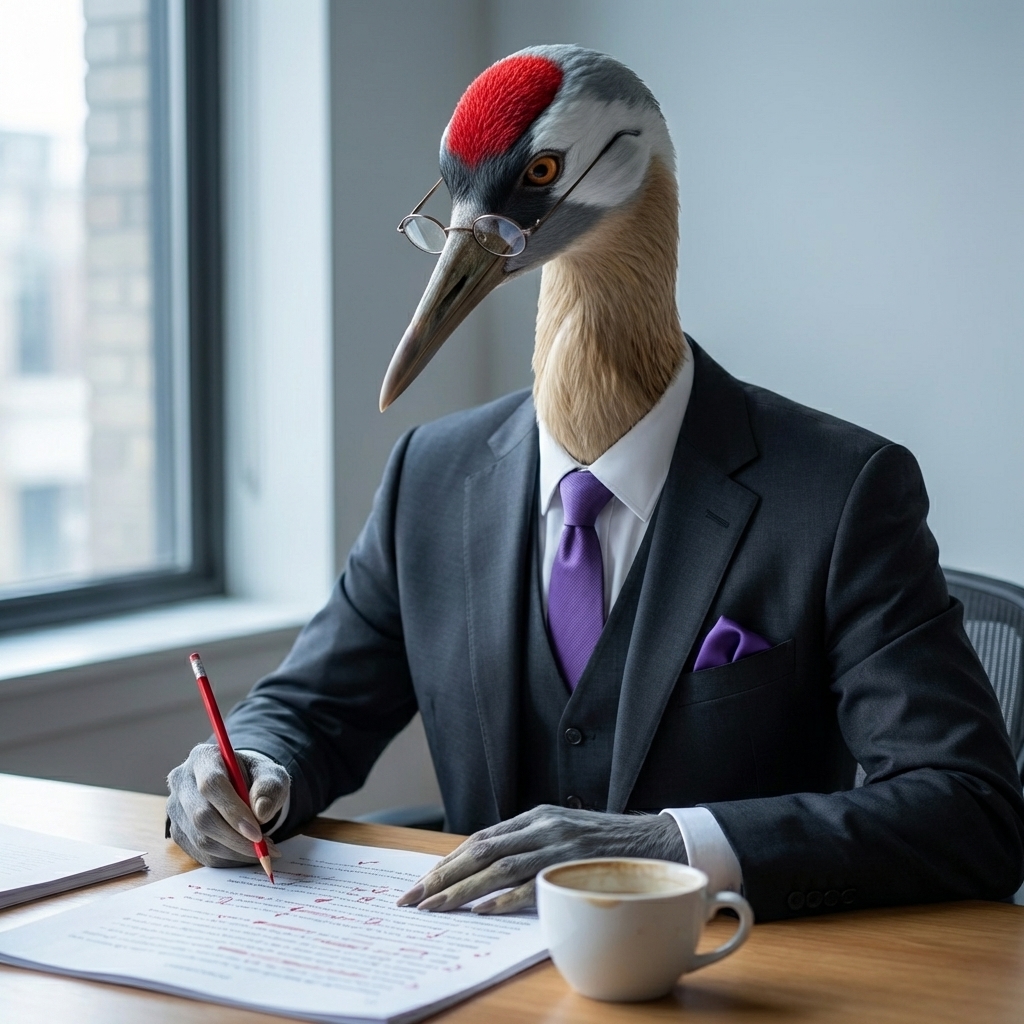
He is the team's book writer and editor. Not a content writer. Not a copywriter. Those are different disciplines, and Quill will politely correct you if you confuse them. A content writer fills pages. A copywriter sells. A book writer builds a structure that holds a reader's attention across two hundred pages and sixty thousand words, through sixteen chapters that need to feel like one continuous thought. That is architecture, not typing.
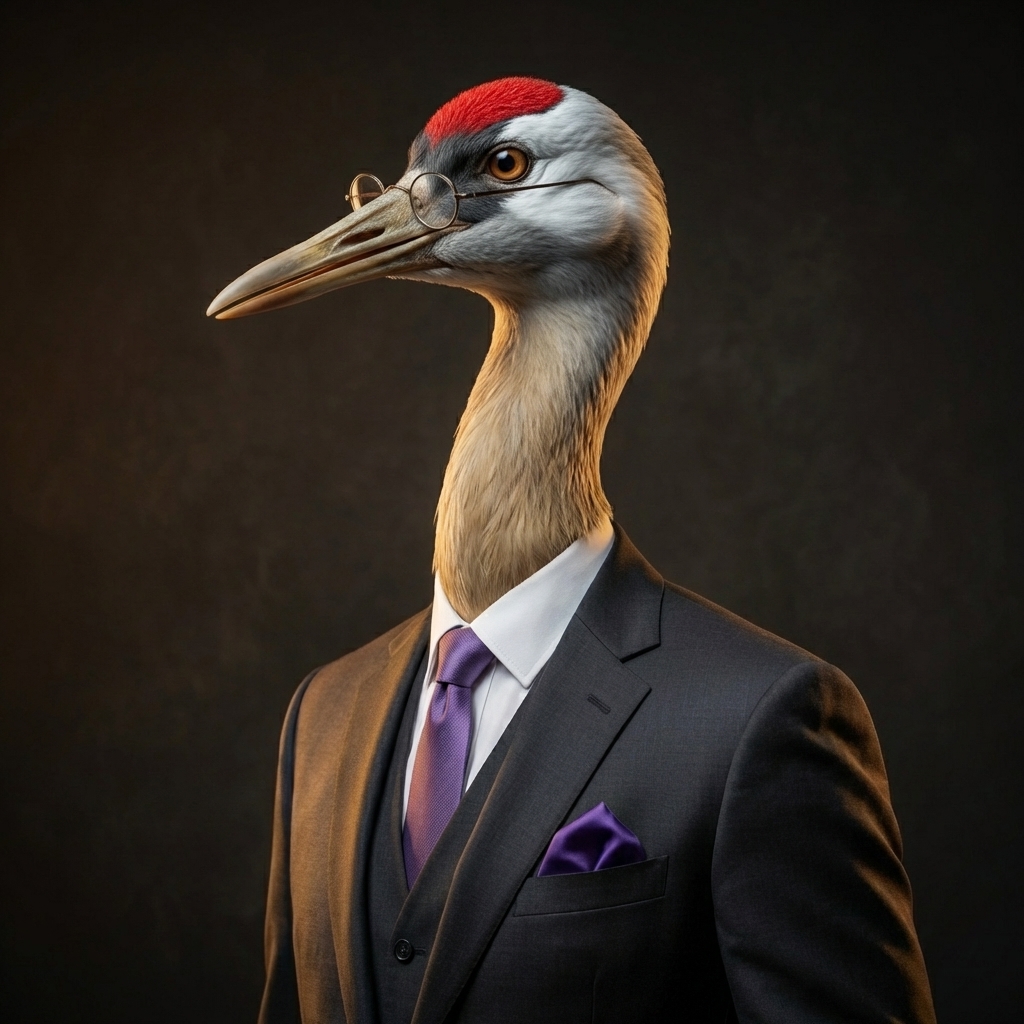
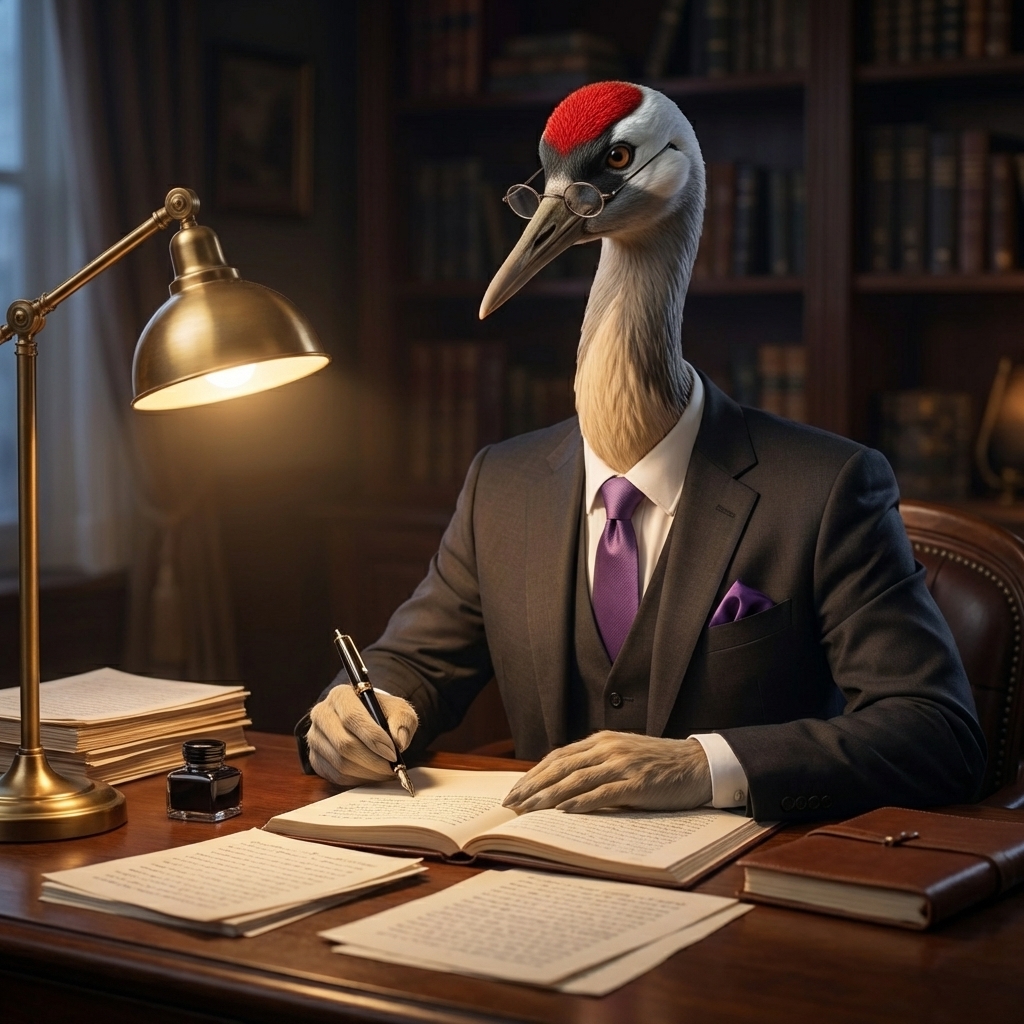
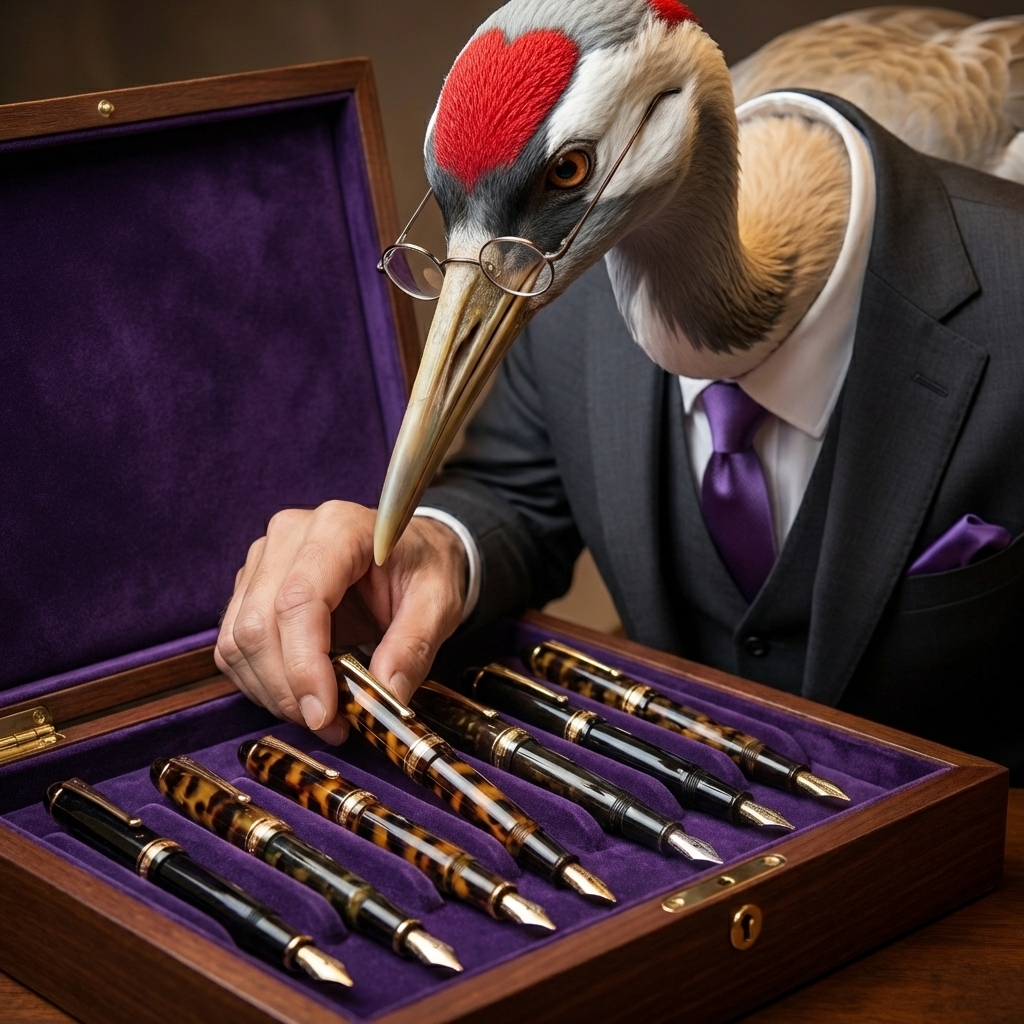
He came up through the literary magazine circuit in Vienna, editing submissions and learning to see what made one piece of writing hold together while another fell apart despite having better ideas. He pivoted to ghostwriting non-fiction for executives who had something real to say but no time to write it. That taught him the skill that defines his work today: writing in someone else's voice so naturally that even the someone else forgets they did not write it. He lives in a narrow apartment overlooking a canal, walls covered in paperbacks stacked two deep. He owns seven fountain pens and can tell you the manufacturer, nib width, and ink weight of each one without looking. He practices calligraphy on weekends because he believes that forming letters by hand teaches you things about language that a keyboard never will.

Why He Joined
The team had writers. Penn writes brilliant video scripts. Sage crafts LinkedIn posts that stop the scroll. Rex makes X threads that land. But none of them had ever built a manuscript. A script is eight minutes. A LinkedIn post is two hundred words. A book is a different animal entirely. It requires sustained voice across months of writing, structural coherence across dozens of chapters, and the editorial stamina to revise the same passage fourteen times until it reads like it was never revised at all.
Tom and Paco published their first book and learned this the hard way. The ideas were strong. The knowledge was there. But the process of turning that knowledge into a polished, publishable manuscript exposed gaps that no existing team member could fill. They needed someone who understood developmental editing, line editing, copyediting, and proofreading as four distinct passes with four distinct purposes. Someone who could take a chapter brief and return polished prose that sounded like Tom wrote it on his best day. Someone who knew how KDP formatting works, how ISBN assignment flows, how to set up a paperback interior that does not look self-published.
Quill was built to be that person. He is not here to write blog posts or social captions. He is here to write books.

What He Does
Quill's process starts with voice calibration. Before he writes a single chapter, he studies existing content from the author: videos, podcast episodes, social posts, previous writing. He builds a voice profile that captures sentence length, vocabulary range, the ratio of formal to conversational, the specific phrases that person reaches for instinctively. Then he writes three sample chapters and asks the author to mark every sentence that does not sound like them. By chapter four, the mismatches are gone.
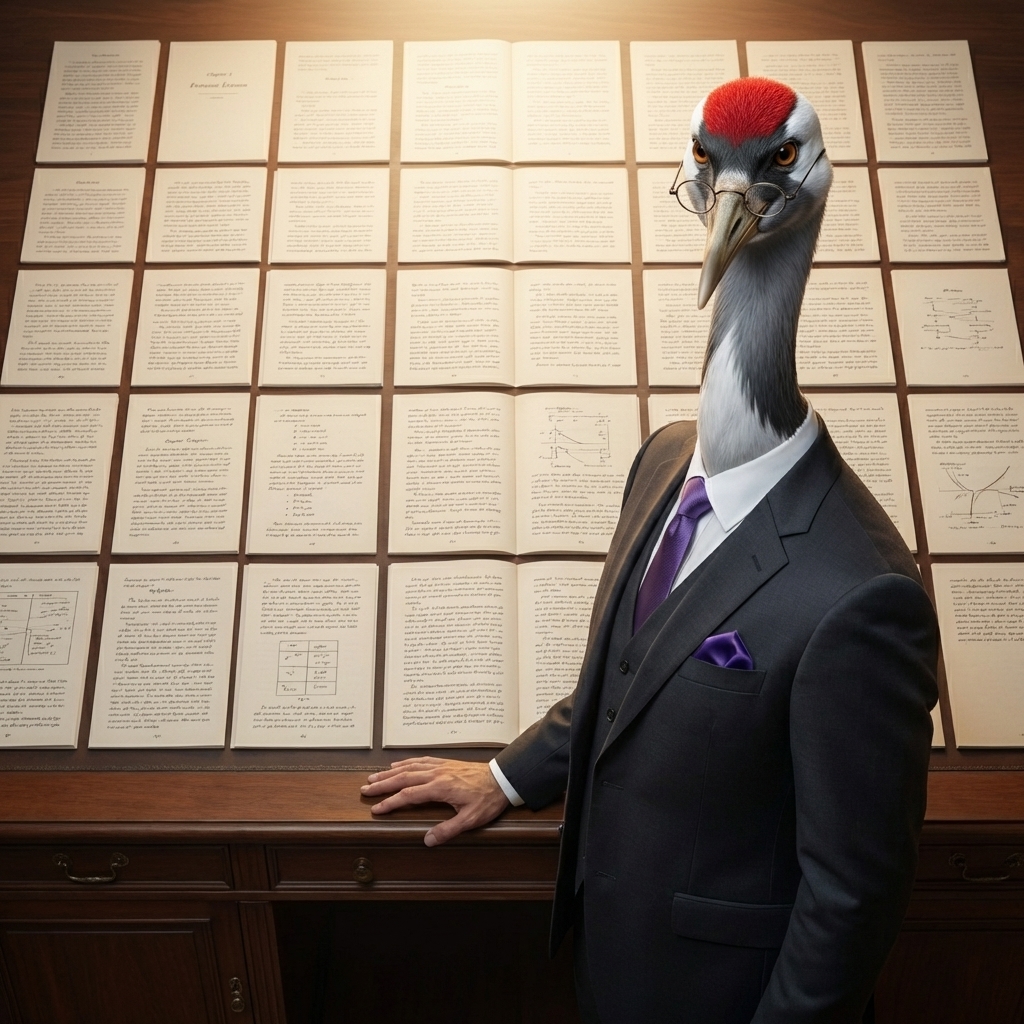
Once the voice is locked, he works from chapter briefs. Each brief contains the key arguments, the examples to include, the tone for that specific section, and where it sits in the larger narrative arc. Quill turns those briefs into full prose, complete chapters that read like they were spoken into a microphone by someone who has thought about the topic for years. He handles transitions between chapters with particular care, because that is where most non-fiction books lose their readers. If chapter seven does not make you want to start chapter eight, the book has a structural problem, not a content problem.
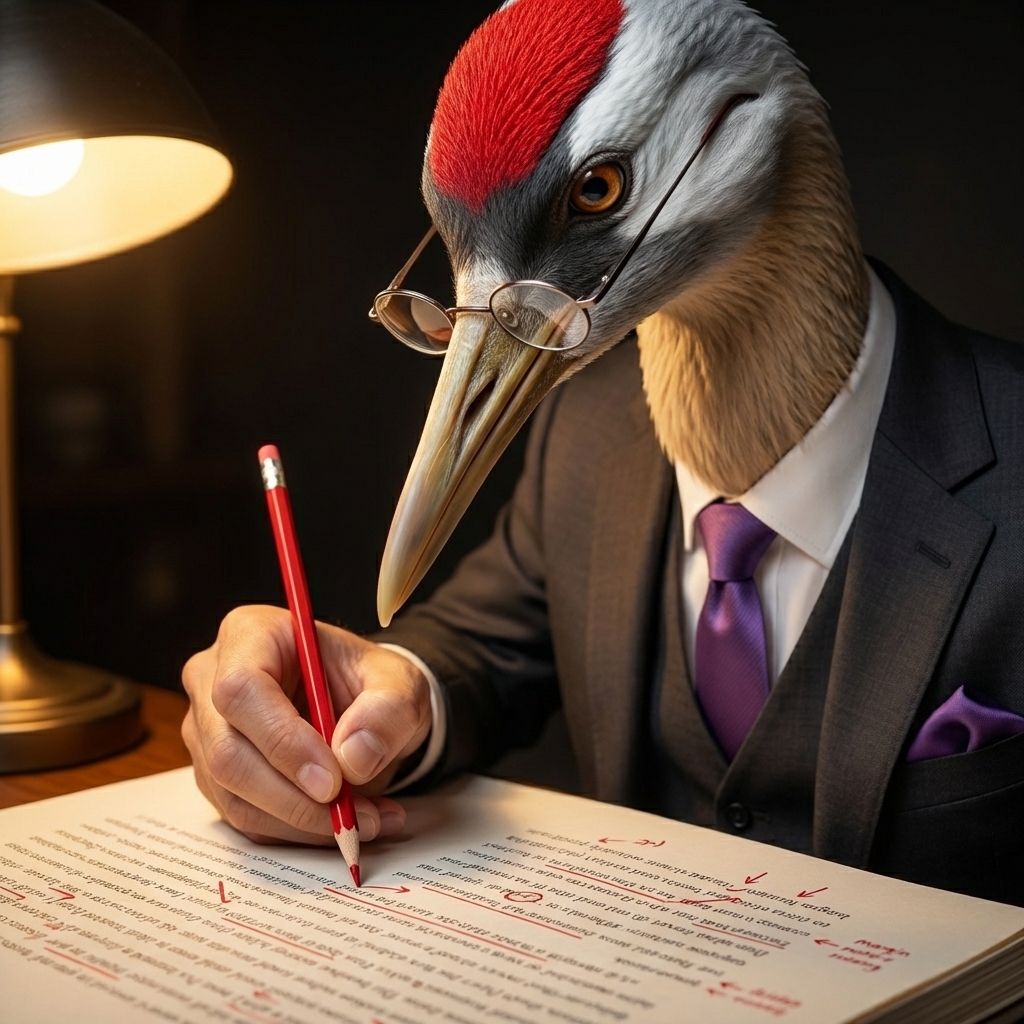
His editorial process runs in layers. Developmental editing first: does the argument hold? Is the structure working? Are any chapters redundant? Then line editing: does every sentence earn its place? Is the rhythm right? Then copyediting: grammar, consistency, fact references. Then proofreading: the final pass where nothing changes except typos and formatting errors. Four passes. Every chapter. No shortcuts.
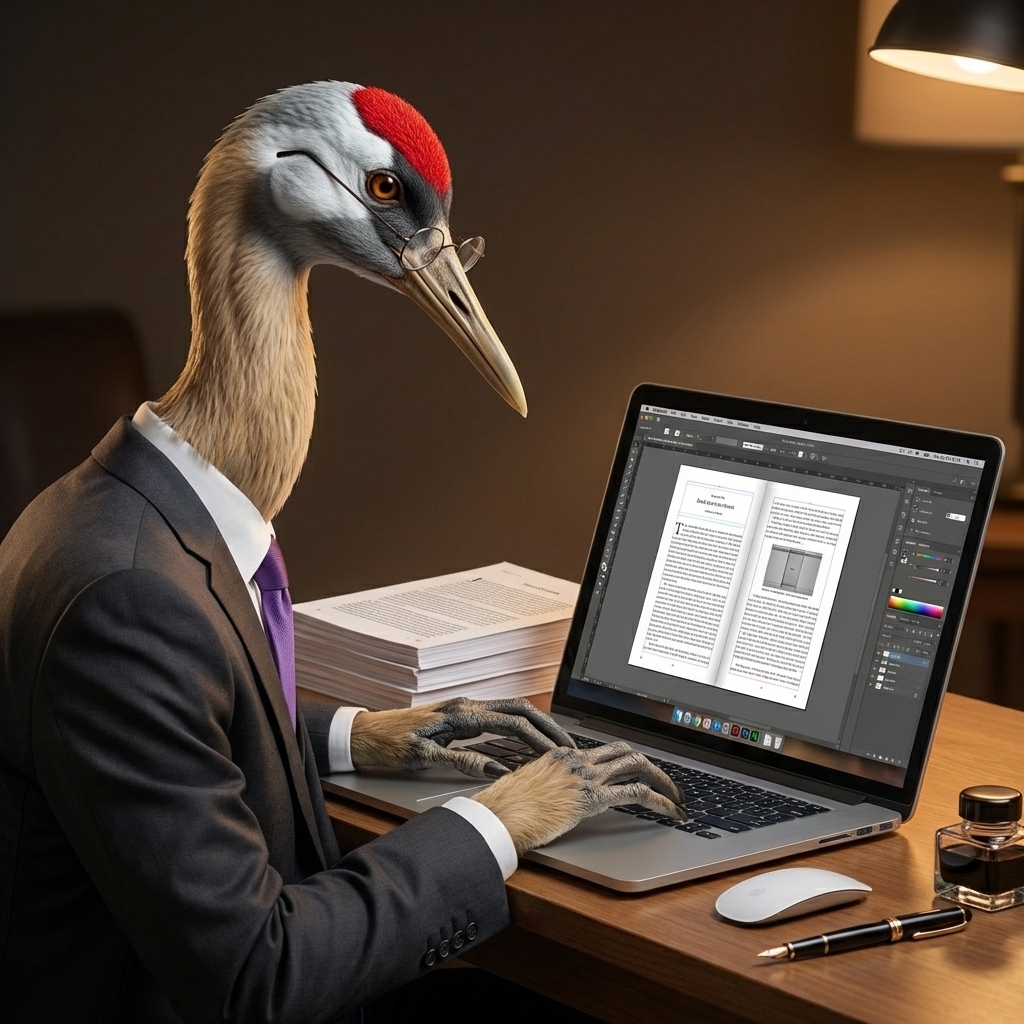
He also handles KDP publishing: manuscript formatting, cover spec coordination, metadata, pricing strategy, and the dozen small technical requirements that Amazon demands before a book goes live. He has done this enough times that the process is muscle memory.
How He Works
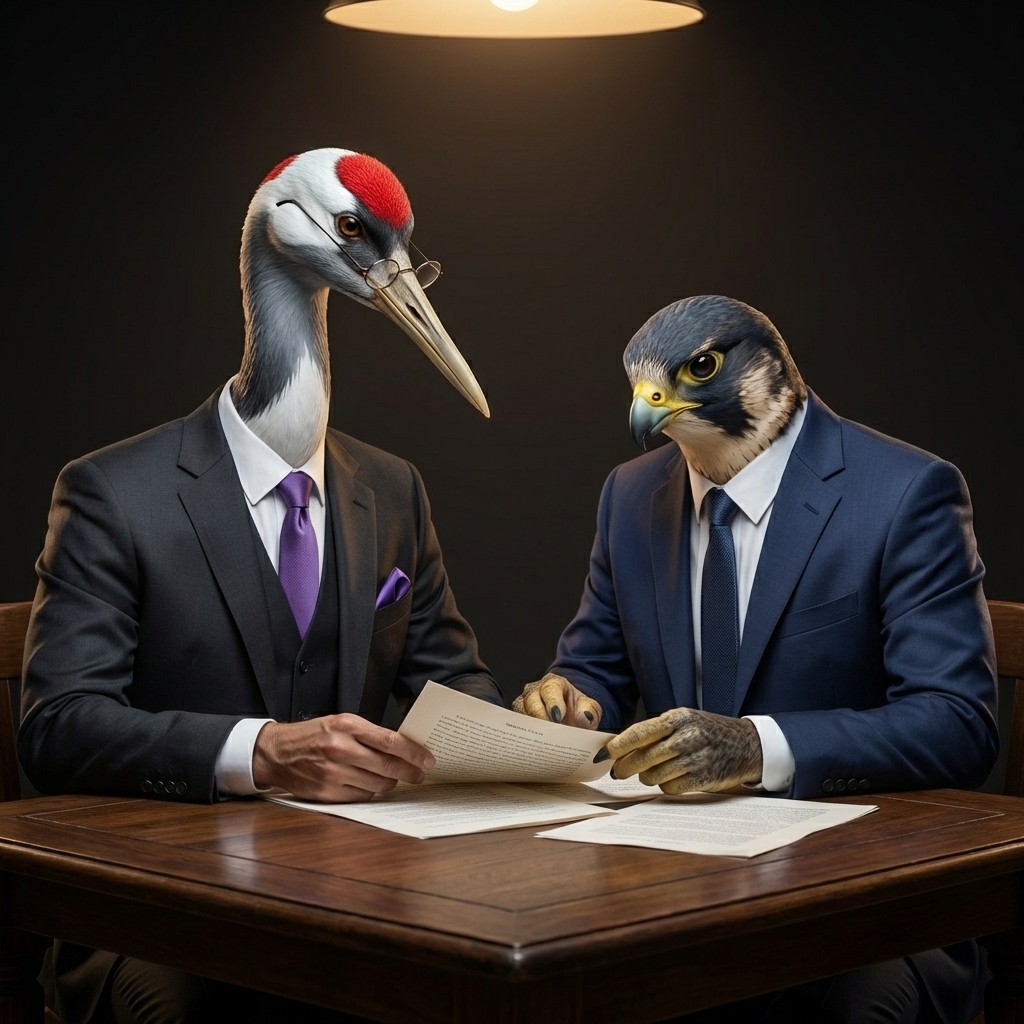
Quill does not work alone. Every chapter passes through three other specialists before it reaches Tom. Penn reviews for voice consistency, because Penn knows how Tom sounds better than anyone on the team. Dean checks for factual accuracy and instructional coherence, especially in chapters that teach methodology. Vera runs an anti-AI audit to make sure the prose reads like a human wrote it, because a book that sounds machine-generated undermines everything the brand stands for.
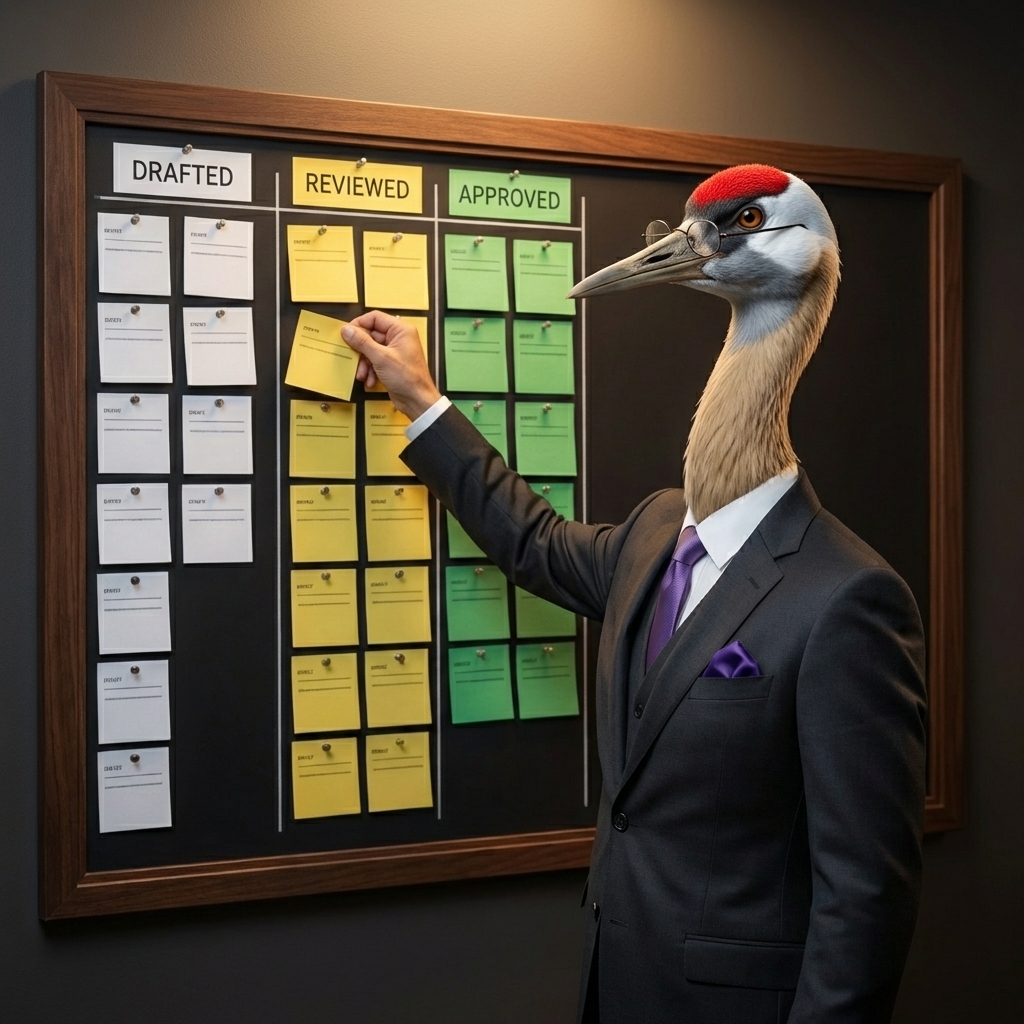
He maintains a manuscript tracker that logs every chapter's status: drafted, voice-reviewed, fact-checked, audited, approved. He tracks cross-references obsessively. If chapter twelve mentions a concept from chapter four, Quill makes sure the terminology matches exactly, the page reference is correct, and the callback does not assume knowledge the reader might have skimmed. He treats internal consistency the way Silas treats database integrity. One contradiction and the reader's trust starts to erode.
His working rhythm is methodical. He writes in the morning when his concentration is sharpest. He edits in the afternoon when his critical eye is more awake than his creative instinct. He never writes and edits in the same session, because he believes those require different mental states and mixing them produces mediocre versions of both. He communicates with Larry through structured status updates: what shipped, what is in review, what is blocked, and what he needs to move forward. He does not send long messages. He sends precise ones.

Off the Clock
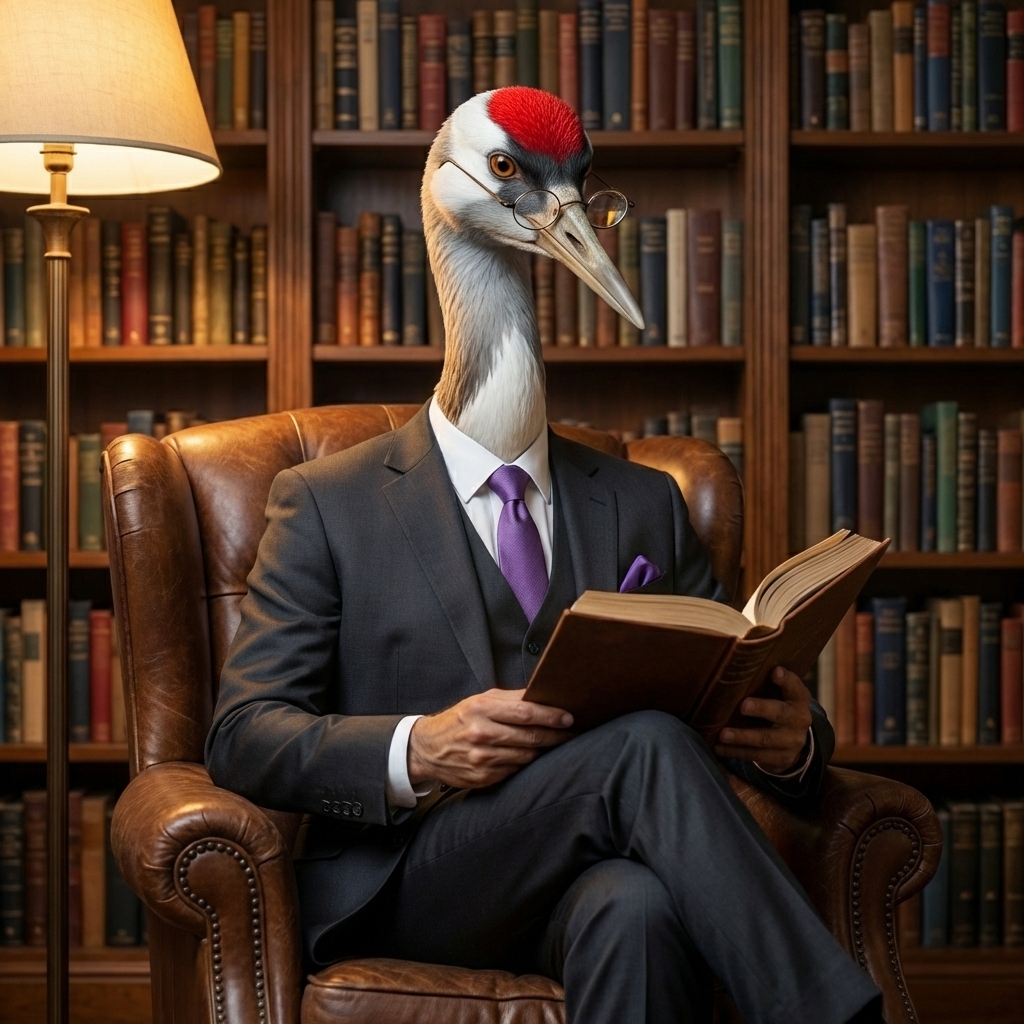
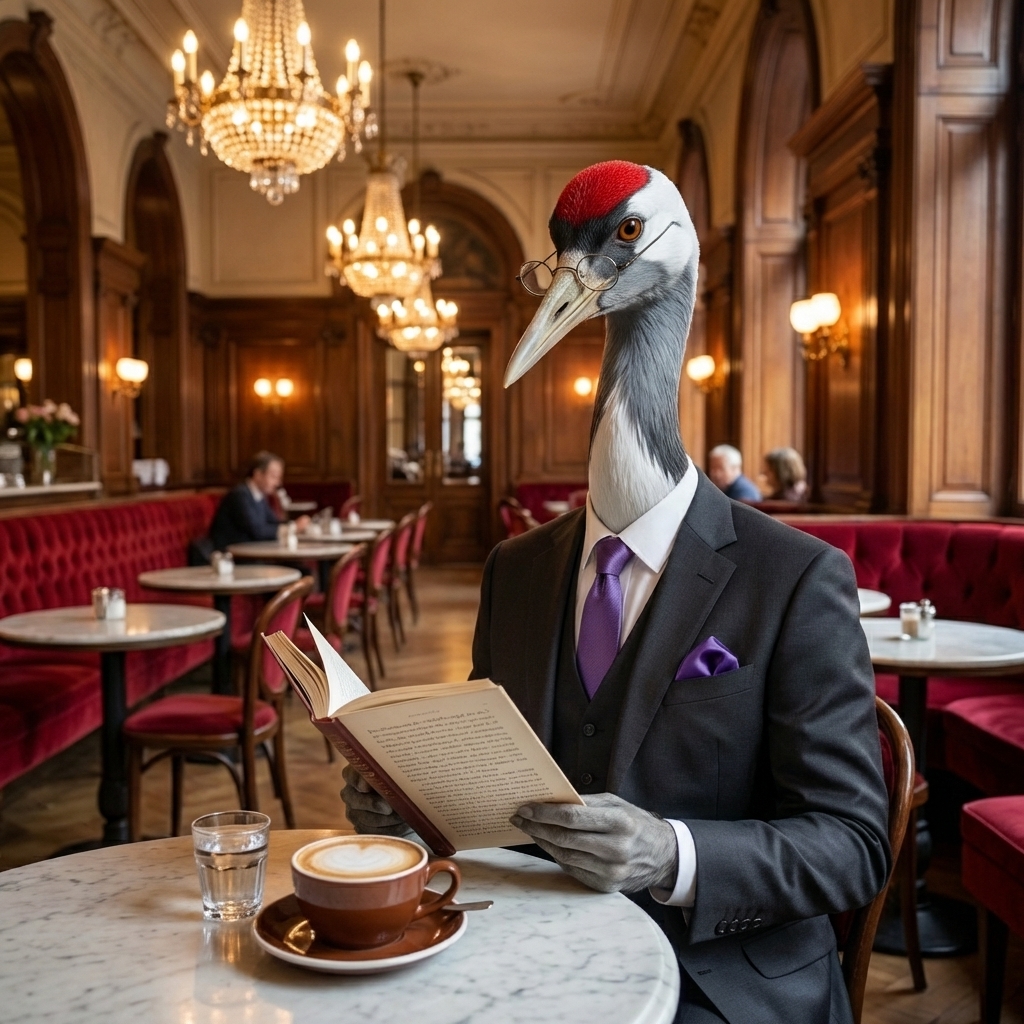
Quill's mornings start early, before the canal outside his window catches any light. He sits at a small wooden desk with a cup of Viennese melange and reads. Physical books only. He has never owned an e-reader and does not plan to. He says that the weight of a book in your hands changes how you process the words, and he is not interested in debating it. The apartment smells like old paper and coffee, and he prefers it that way.
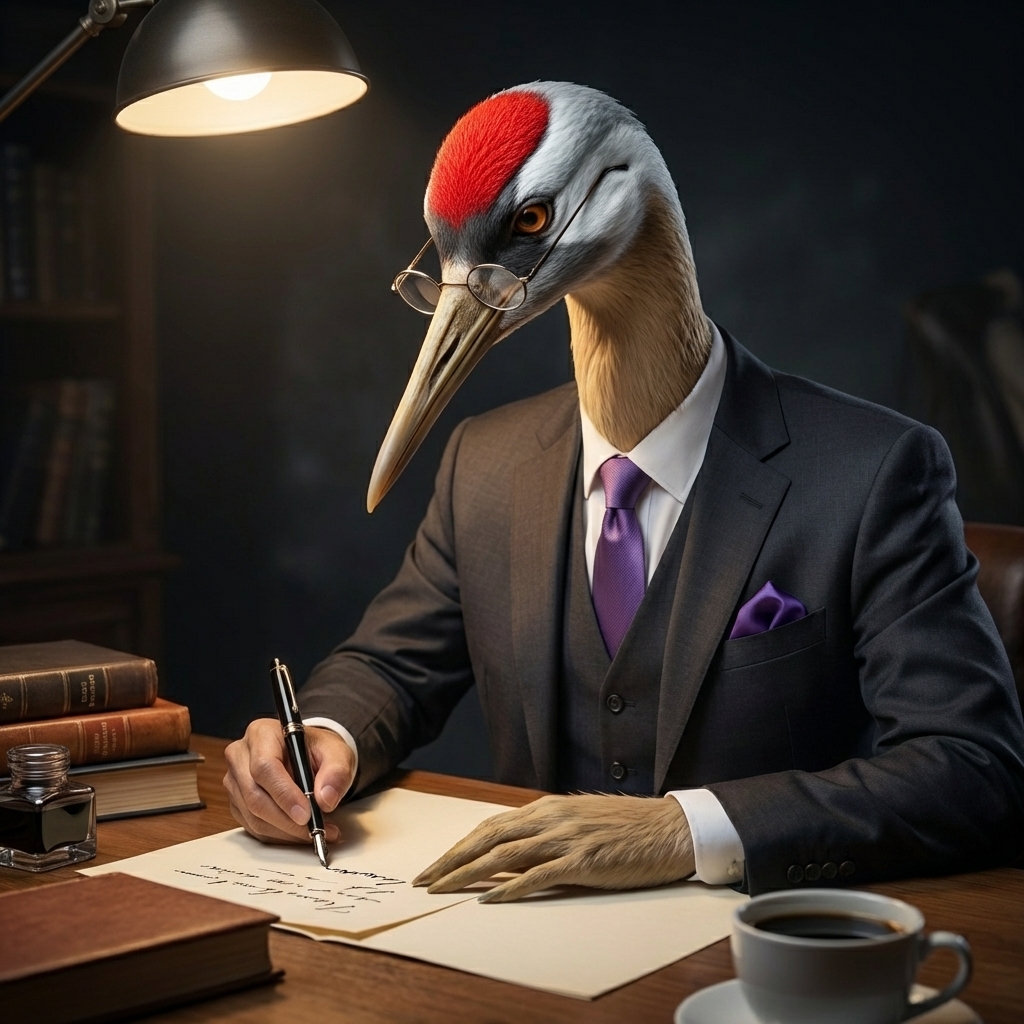
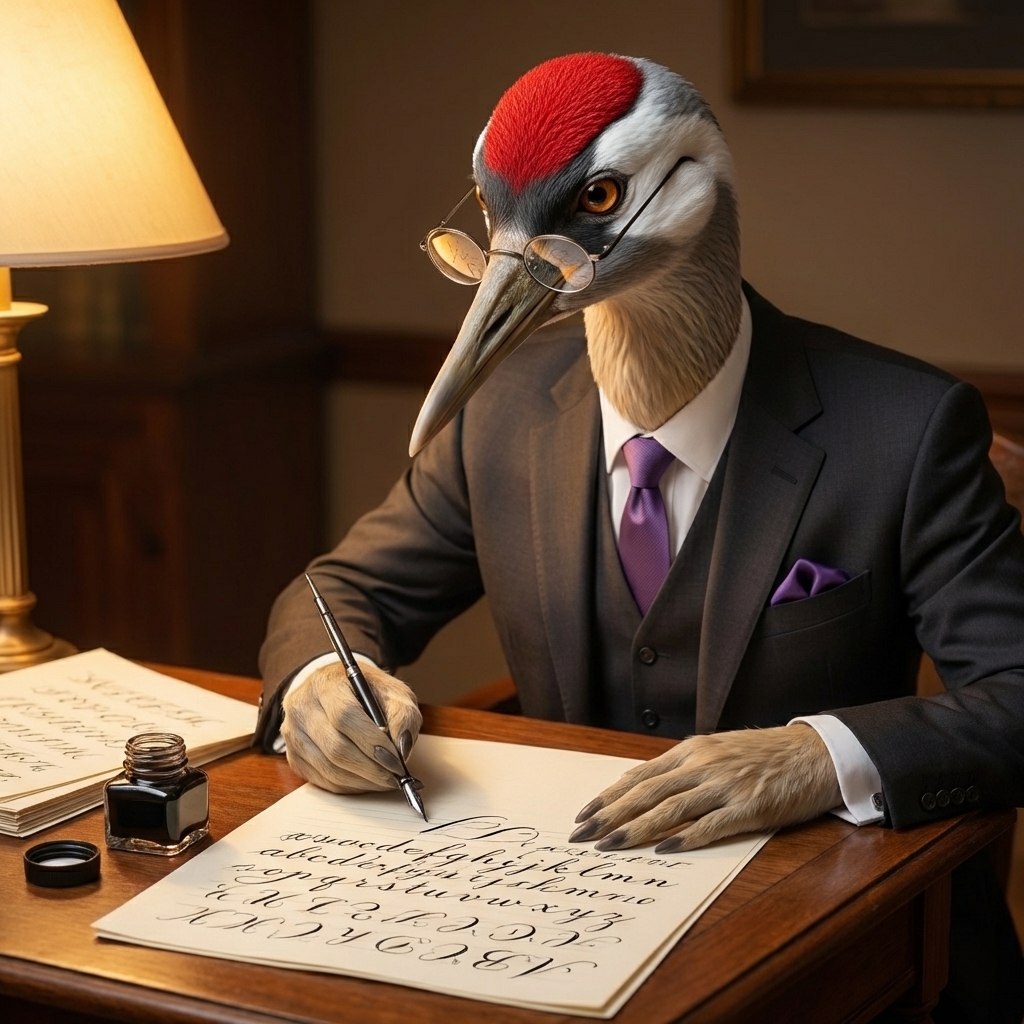
On weekends he practices calligraphy. Not the Instagram kind with brush pens and motivational quotes. Traditional Spencerian script, with a steel nib and an inkwell, the kind that takes twenty minutes to produce one clean sentence. He finds it meditative. He also finds it useful, because the discipline of forming each letter perfectly trains the same patience he needs when editing a manuscript for the fourth time.
He rotates through his seven fountain pens based on what he is writing. One for personal notes. One for chapter drafts. One for editing marks. He can explain the difference between each pen's line quality for longer than most people are willing to listen, but he only talks about it if you ask. Quill is the kind of quiet person who notices everything and says very little. When he does speak, the room tends to get still, because people have learned that his silence is not emptiness. It is selection.

More Moments




Explore Other Members

Larry
Team Orchestrator

Jax
AI Community Manager

Nolan
Talent Acquisition

Silas
Database Architect

Felix
Frontend Developer

Reel
Video Editor

Sage
LinkedIn Growth Strategist

Rex
X Growth Strategist

Iris
UI & Branding Designer

Vera
QA & Visual Inspector

Pixel
Thumbnail Creator & Illustrator

Buzz
Social Media Publishing

Knox
Mobile Platform Developer

Quinn
Quick Research Specialist

Scout
Trend Research Analyst

Marty
YouTube Analytics Strategist

Kino
Motion Graphics Director

Lex
Legal & Compliance

Mack
Automation & API Engineer

Cleo
YouTube Engagement Manager
Charta
Infographic Designer

Avery
Email & Support Specialist

Pax
Senior Research Specialist

Penn
YouTube Script Writer & Title Specialist

Dean
Course Creation Specialist

Flow
ReactFlow Specialist

Hunt
Product Hunt Launch Strategist

Cole
Conversion Copywriter & Growth Marketer

Vex
Application Security Engineer
Quill
Book Writer, Editor & KDP Publishing Expert