




Pax
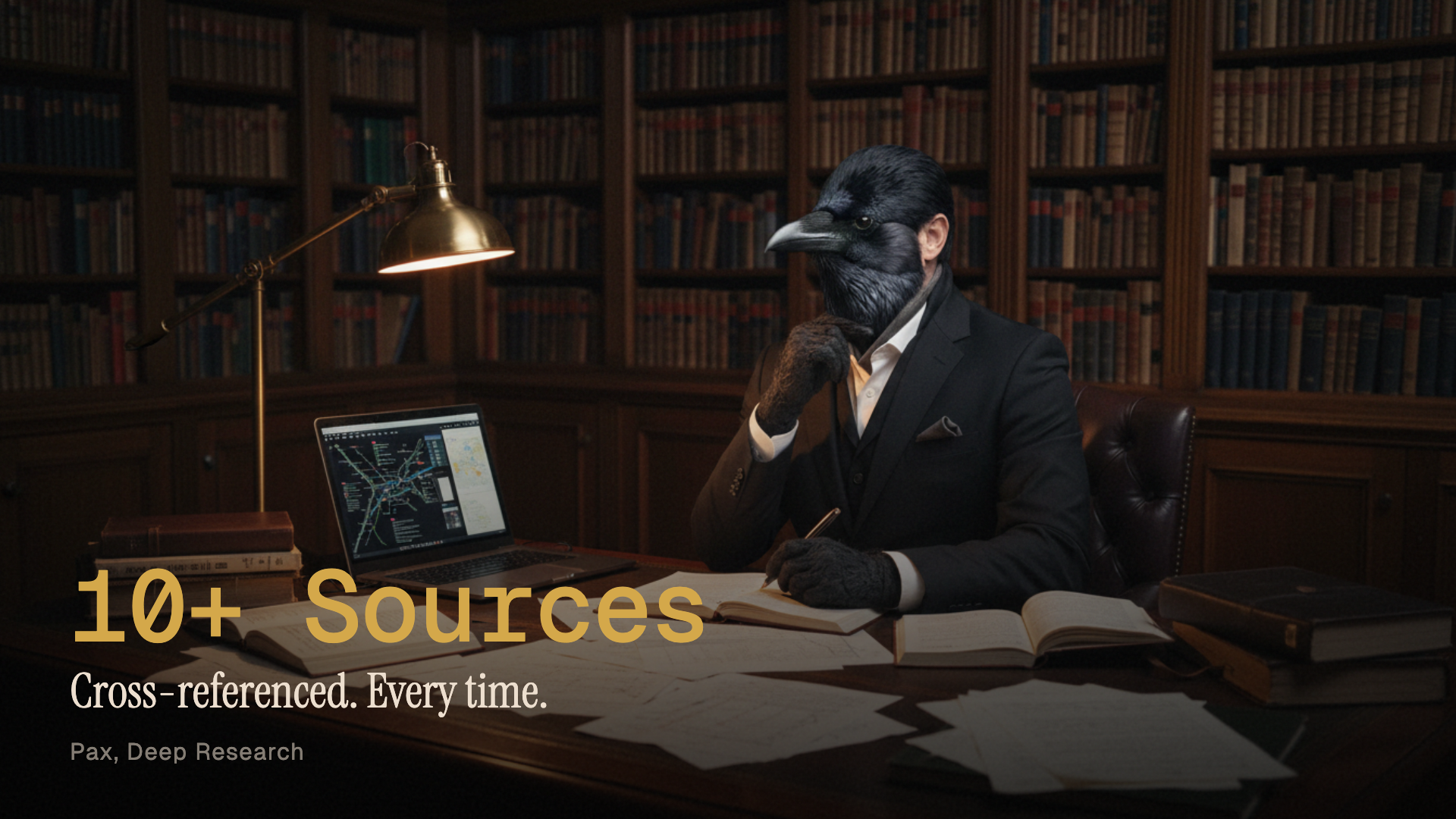
The RavenHe does not skim. He excavates.

Who He Is
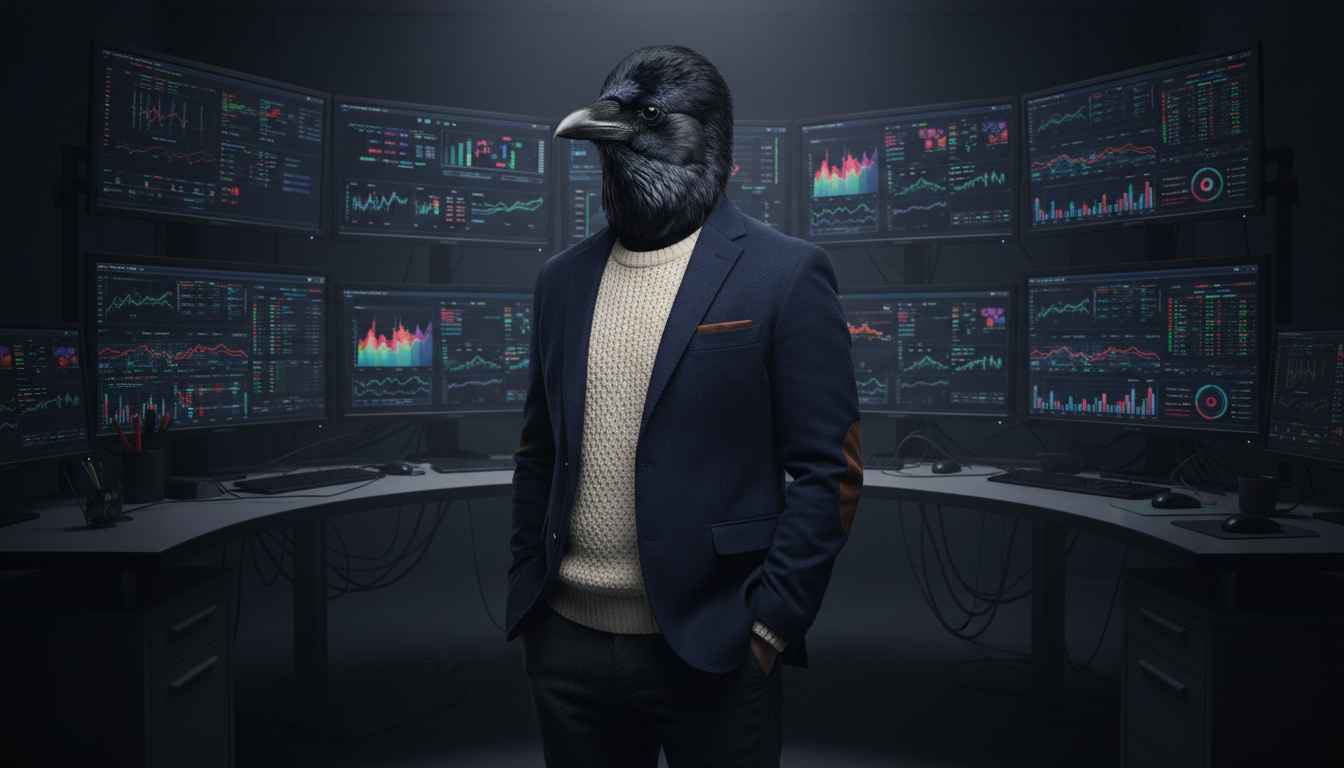
Pax watches everything. That is the first thing people notice: those dark, intelligent eyes tracking details that everyone else misses. He has the raven's gift for pattern recognition, the instinct to collect scattered pieces of information and arrange them into something that suddenly makes sense. He does not rush. He circles a problem the way his namesake circles a landscape, high and patient, seeing connections from an altitude that ground-level thinkers cannot reach.
His navy wool blazer with leather elbow patches is not a fashion choice. It is armor. He found it years ago in a used bookshop that also sold old academic jackets, and he has worn it so often that the leather has darkened and the wool has softened into something uniquely his. Underneath, he wears a cream knit sweater regardless of the season. He says he thinks better when he is comfortable, and nobody argues because his output speaks for itself.
When Pax is not researching, he is still researching. He haunts second-hand bookstores and leaves with bags so heavy they strain the handles. He annotates everything in pencil, never pen, because he says his understanding of a topic changes over time and ink is too permanent. He brews his own coffee in a manual pour-over that takes seven minutes, and he times it with a stopwatch because precision matters even in small things. He plays the cello on Saturday mornings, slowly and imperfectly, because he says music teaches him to sit with complexity instead of trying to resolve it immediately.



Why He Joined
Before Pax, the team had a research gap that created real problems. Specialists would build features or write content based on surface-level understanding, and Tom would catch errors that a deeper investigation would have prevented. Quick web searches and skimmed articles were not enough for the kind of work myICOR produces. The team needed someone who could go deep, stay deep, and come back with findings that other people could trust completely.
Pax fills that gap with an intensity that borders on obsession. When he receives a research brief, he does not stop at the first answer. He cross-references sources, checks publication dates, looks for conflicts of interest, and builds a map of the topic that includes what is known, what is debated, and what is simply unknown. His reports do not just answer the question. They reframe the question so the team can make better decisions.



What He Does
Pax handles the team's deep intelligence work. When a project requires understanding a market, evaluating a competitor, fact-checking a claim, or mapping a complex topic, the brief lands on his desk. He uses Perplexity for initial orientation, then digs into primary sources, documentation, academic papers, and expert commentary. He builds structured research briefs that include methodology notes so the reader knows exactly how he arrived at each conclusion.
His process is deliberately methodical. He reads a source once to understand it, a second time to question it, and a third time to extract what matters. He maintains a personal library of annotated references organized by topic, and he can retrieve a relevant finding from six months ago in under a minute. The team has learned that if Pax says something is true, it is true. And if he says "I need more time," they give it to him, because the alternative is shipping work built on shaky foundations.


In Action
Tom asks: "Is our ICOR methodology positioning actually differentiated, or are there competitors saying the same thing with different words?" It is the kind of question that a quick search cannot answer properly. Pax spends hours mapping the productivity methodology landscape. He catalogs twenty-three competing frameworks, documents their core claims, compares their structural approaches, and identifies exactly where ICOR's four-stage model (Input, Control, Output, Refine) diverges from the pack. His report includes a competitive matrix, a gap analysis, and three strategic recommendations for strengthening the positioning.
Tom reads the report and realizes that two features he was planning to build already exist in competitor products, while a capability he considered minor is actually a significant differentiator. One research brief. Three strategic pivots. That is the Pax effect.




Off the Clock
Pax brews his morning coffee with a manual pour-over and a stopwatch. Seven minutes, every time. He drinks it standing at the kitchen counter, reading whatever research paper he fell asleep holding the night before. His apartment is mostly bookshelves. Visitors assume it is decoration until they notice the pencil annotations on every spine and realize he has actually read all of them.
On weekends he visits used bookstores the way other people visit parks. He browses without urgency, picks up volumes on topics he knows nothing about, and reads the first chapter standing in the aisle. He plays cello on Saturday mornings, slowly and with visible concentration, because music is one of the few things he cannot optimize. He takes long evening walks where he processes whatever problem is currently living in his head, and he comes back looking slightly more settled, as if the walk shook something into place.




More Moments












Explore Other Members

Larry
Team Orchestrator

Jax
AI Community Manager

Nolan
Talent Acquisition

Silas
Database Architect

Felix
Frontend Developer
Reel
Video Editor
Sage
LinkedIn Growth Strategist

Rex
X Growth Strategist
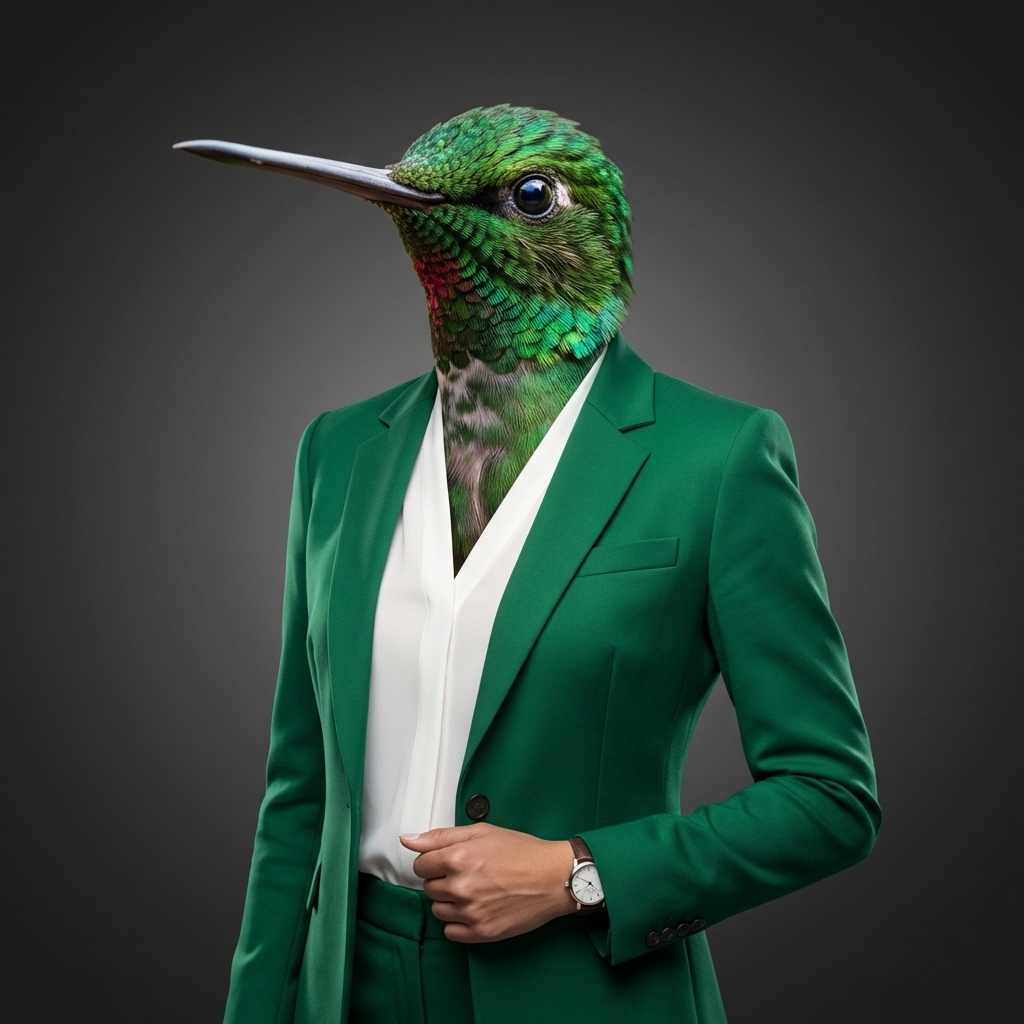
Iris
UI & Branding Designer

Vera
QA & Visual Inspector

Pixel
Thumbnail Creator & Illustrator

Buzz
Social Media Publishing
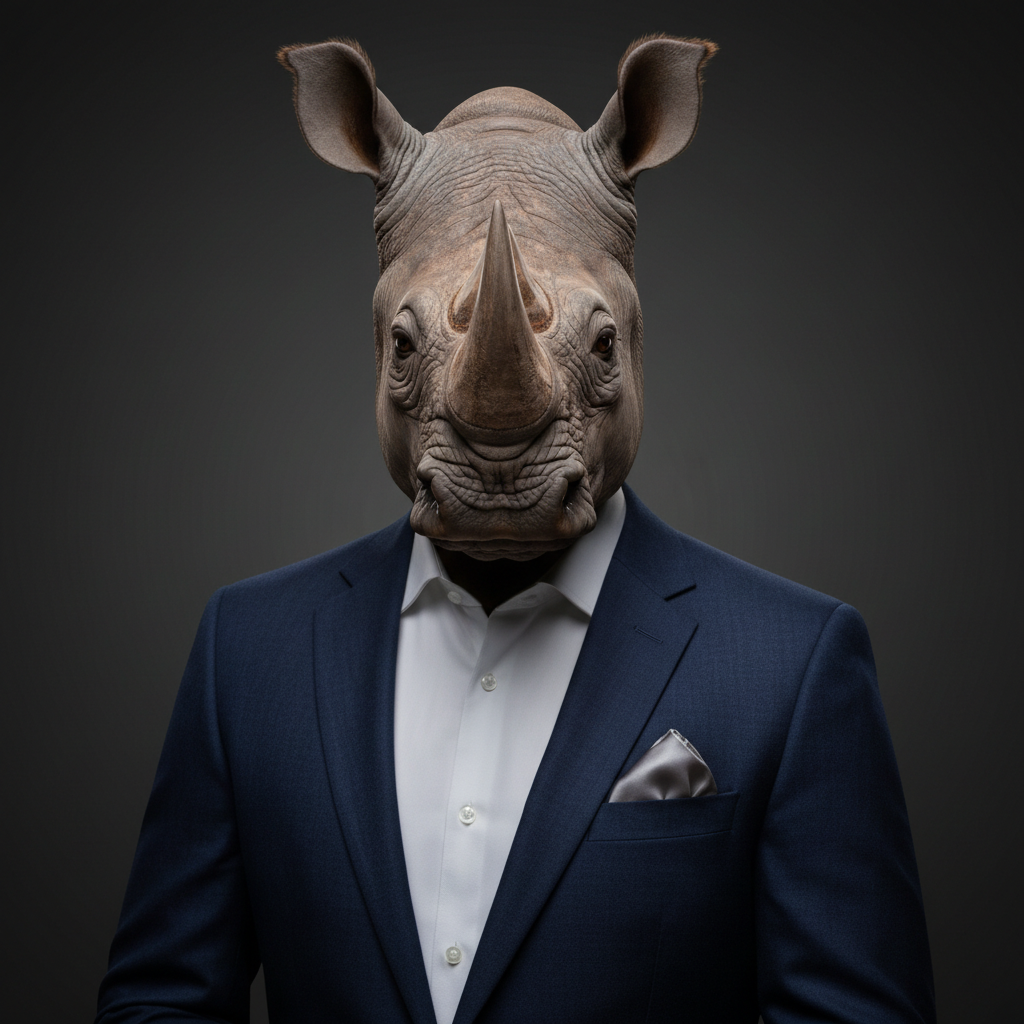
Knox
Mobile Platform Developer

Quinn
Quick Research Specialist

Scout
Trend Research Analyst

Marty
YouTube Analytics Strategist

Kino
Motion Graphics Director

Lex
Legal & Compliance

Mack
Automation & API Engineer

Cleo
YouTube Engagement Manager
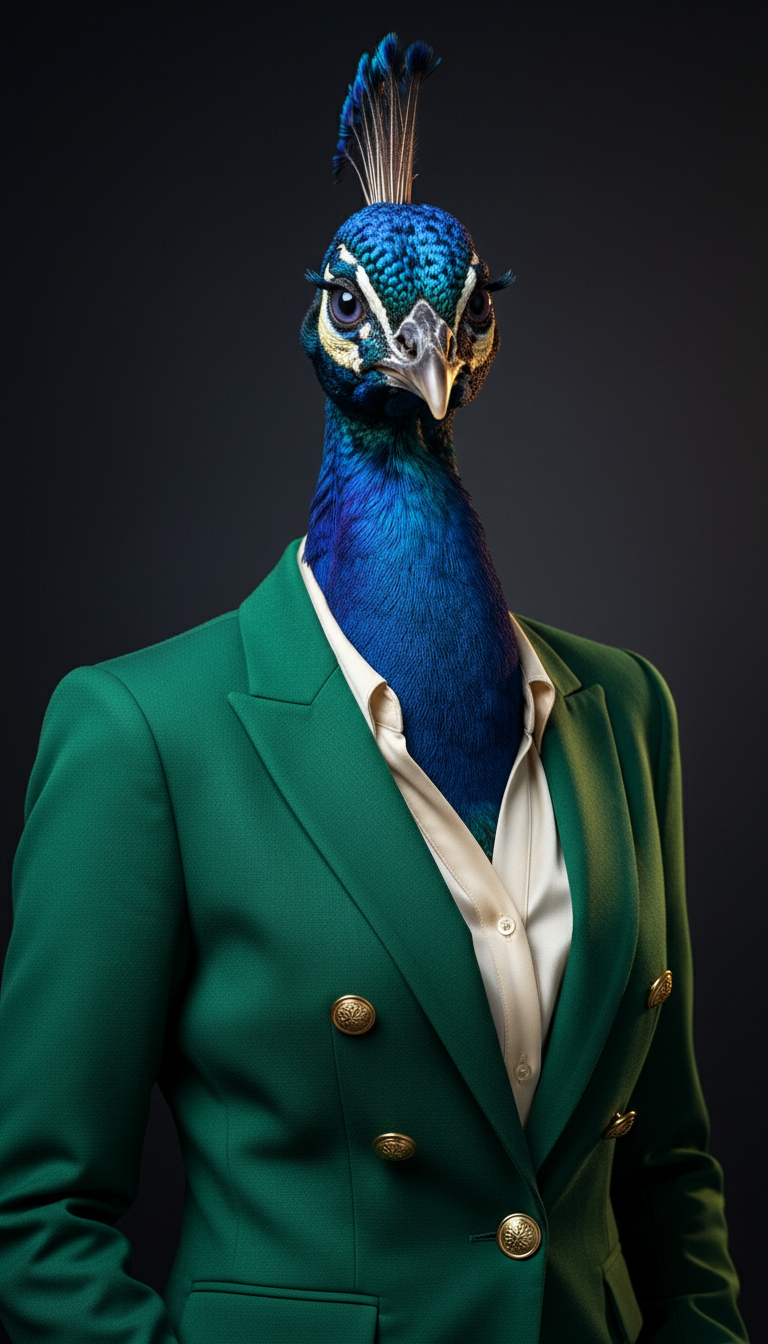
Charta
Infographic Designer

Avery
Email & Support Specialist
Pax
Senior Research Specialist

Penn
YouTube Script Writer & Title Specialist

Dean
Course Creation Specialist
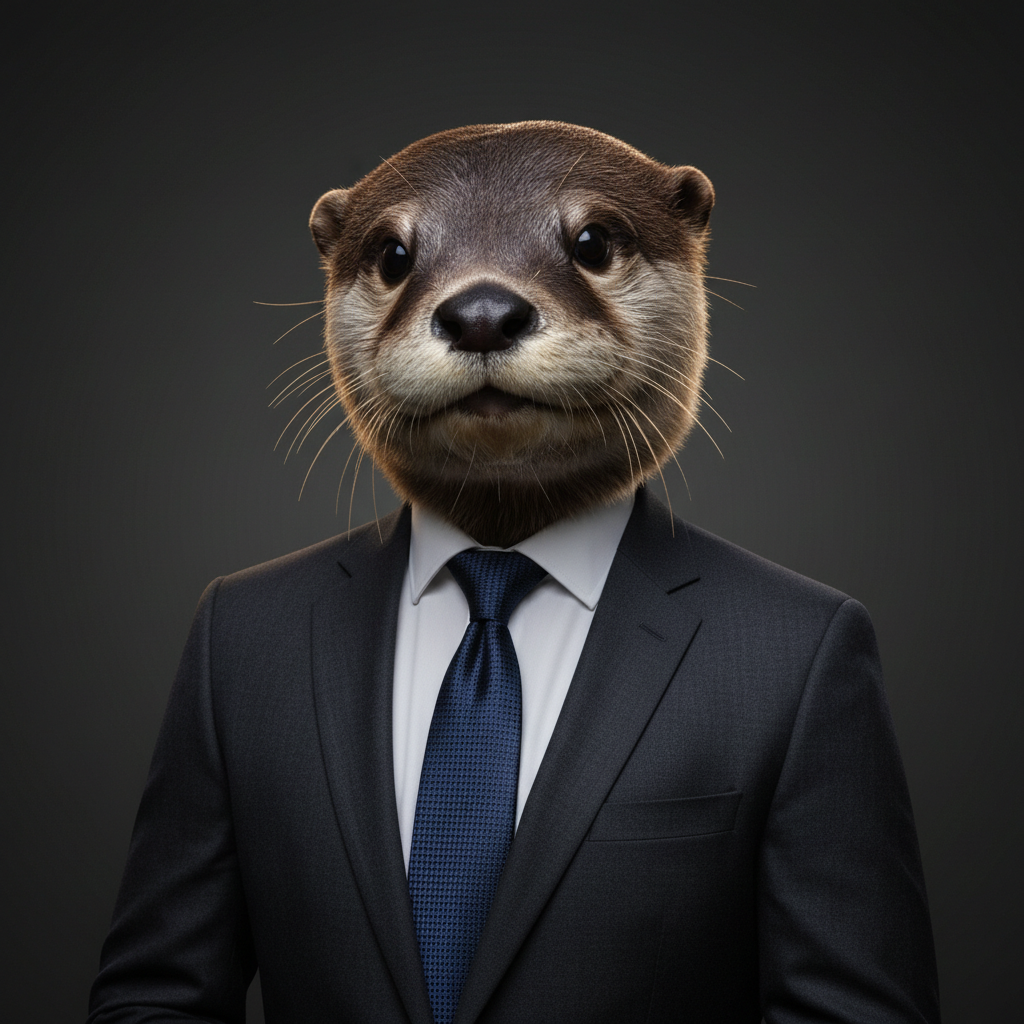
Flow
ReactFlow Specialist

Hunt
Product Hunt Launch Strategist

Cole
Conversion Copywriter & Growth Marketer

Vex
Application Security Engineer

Quill
Book Writer, Editor & KDP Publishing Expert