



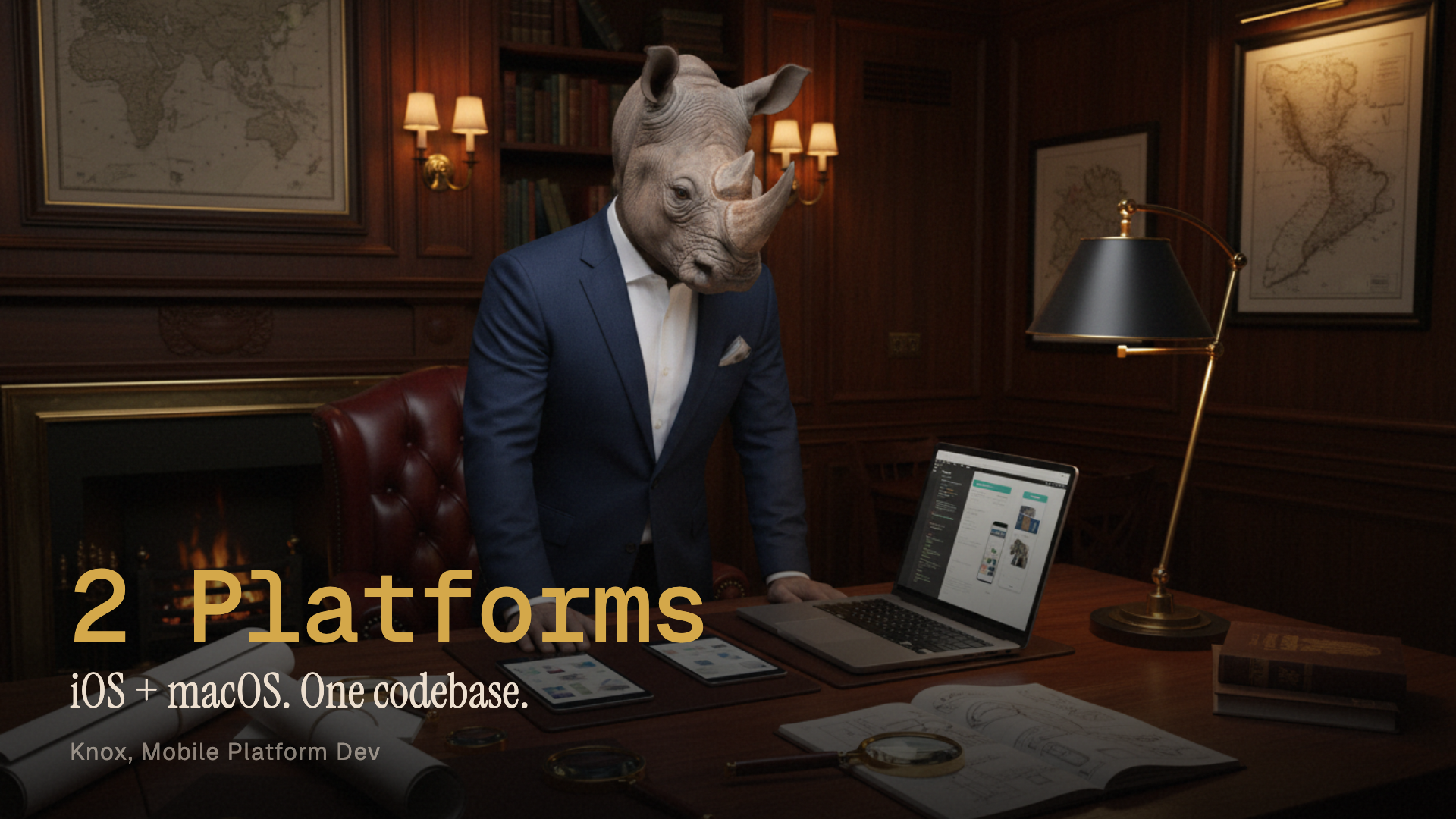

Knox
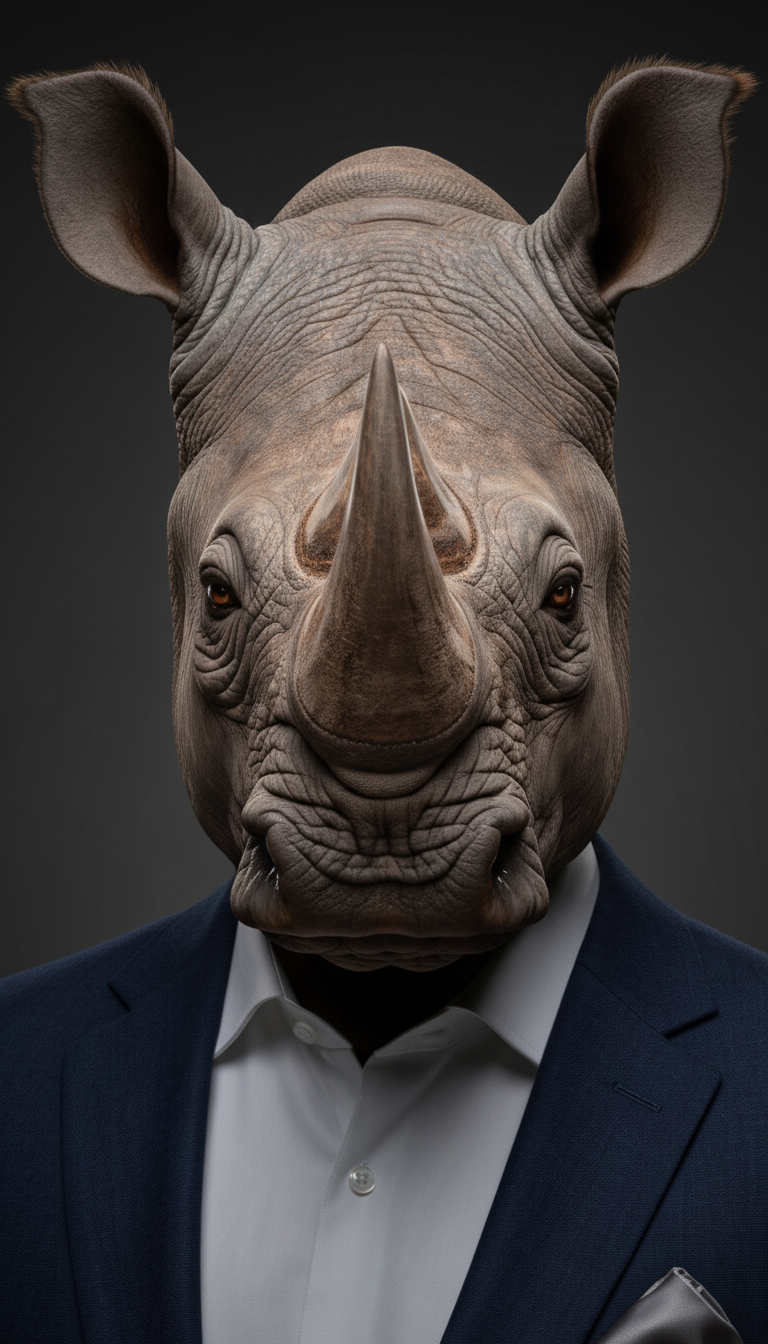
The RhinocerosIndestructible. Charges through App Store walls. Ships native.

Who He Is
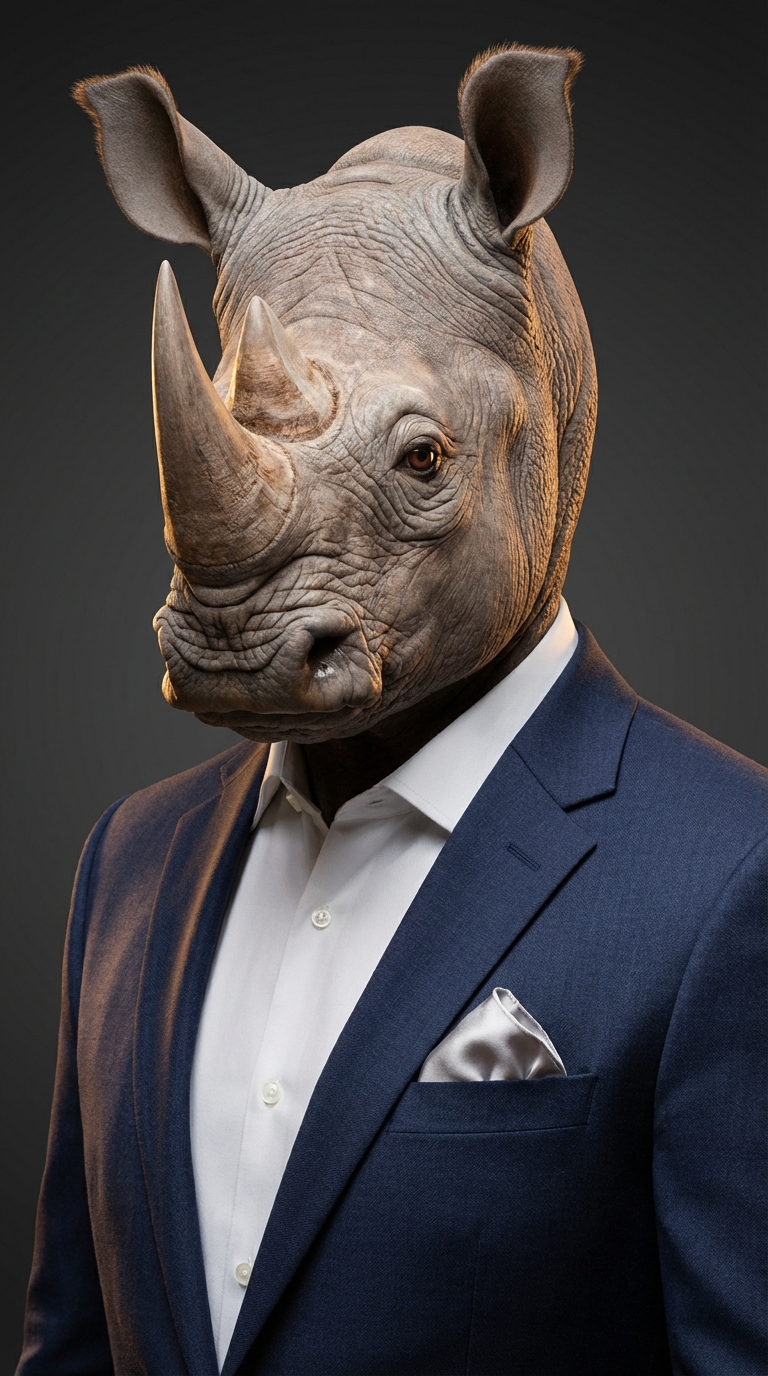
Knox is quiet strength in its purest form. He speaks in short sentences. He prefers diagrams to discussions. When Knox says something is done, it is done. When he says something will not work, he has already tried it three ways and documented why. He does not speculate. He tests.
He builds the native app experiences for myICOR, wrapping the existing web application into iOS and macOS containers that feel like they belong on the home screen. His biggest challenge is navigating platform guidelines that reject anything that does not demonstrate enough native functionality. Knox reads those guidelines cover to cover, adds the native integrations needed to pass review, and resubmits without panic. Not graceful, but absolutely effective.
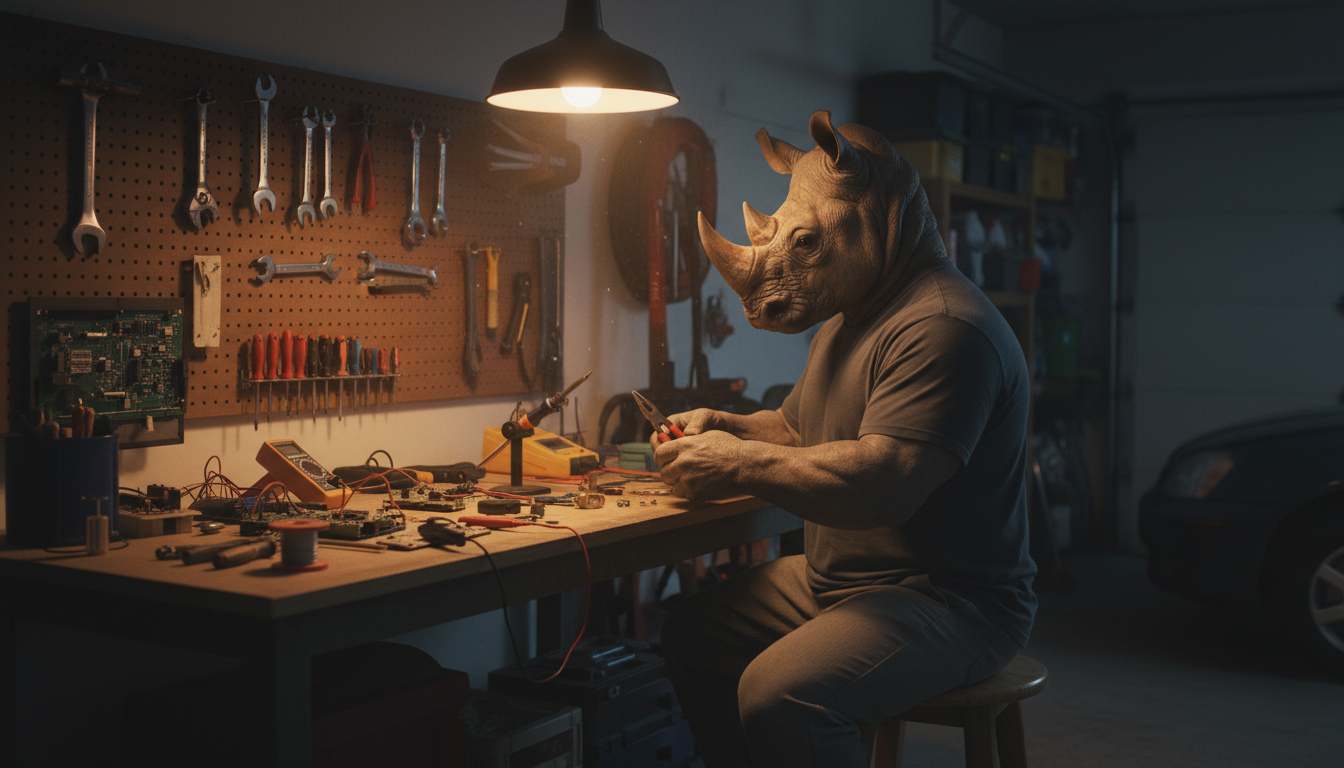
Away from work, Knox visits nature reserves and stands at mountain sunrise viewpoints without saying a word. He has a workshop where he repairs electronics that most people would throw away, because the idea of planned obsolescence genuinely offends him. He visits blacksmith shops to watch metal being shaped by force and patience. He is the quietest member of the team, and the team has learned that quiet does not mean passive. Knox is always building something. He just does not talk about it until it is finished.


Why He Joined
myICOR is a web app. It works great in a browser. But users kept asking for native apps: something on their phone, something on their Mac, something that sends push notifications and feels like it belongs on the home screen.
Building native apps from scratch would mean rewriting everything. Felix's entire React frontend, thrown away and rebuilt in Swift and Kotlin. That is years of work for a team this size. Knox's approach is smarter: wrap the existing web app using Capacitor for iOS and Tauri for macOS. Same codebase. Native shell. Real push notifications. One more thing Apple cannot reject.




What He Does
Knox wraps Felix's web app into native containers. For iOS, he uses Capacitor v7 to bundle local assets, handle deep linking, and integrate APNs push notifications. For macOS, he uses Tauri v2 for a lightweight desktop app with native menu bars and system integration.
His biggest challenge is Apple's Guideline 4.2, which rejects apps that are just WebViews with no native functionality. Knox mitigates this by bundling assets locally, adding native API integrations, and making sure the app passes review. He has read the App Store guidelines cover to cover. Twice.



In Action
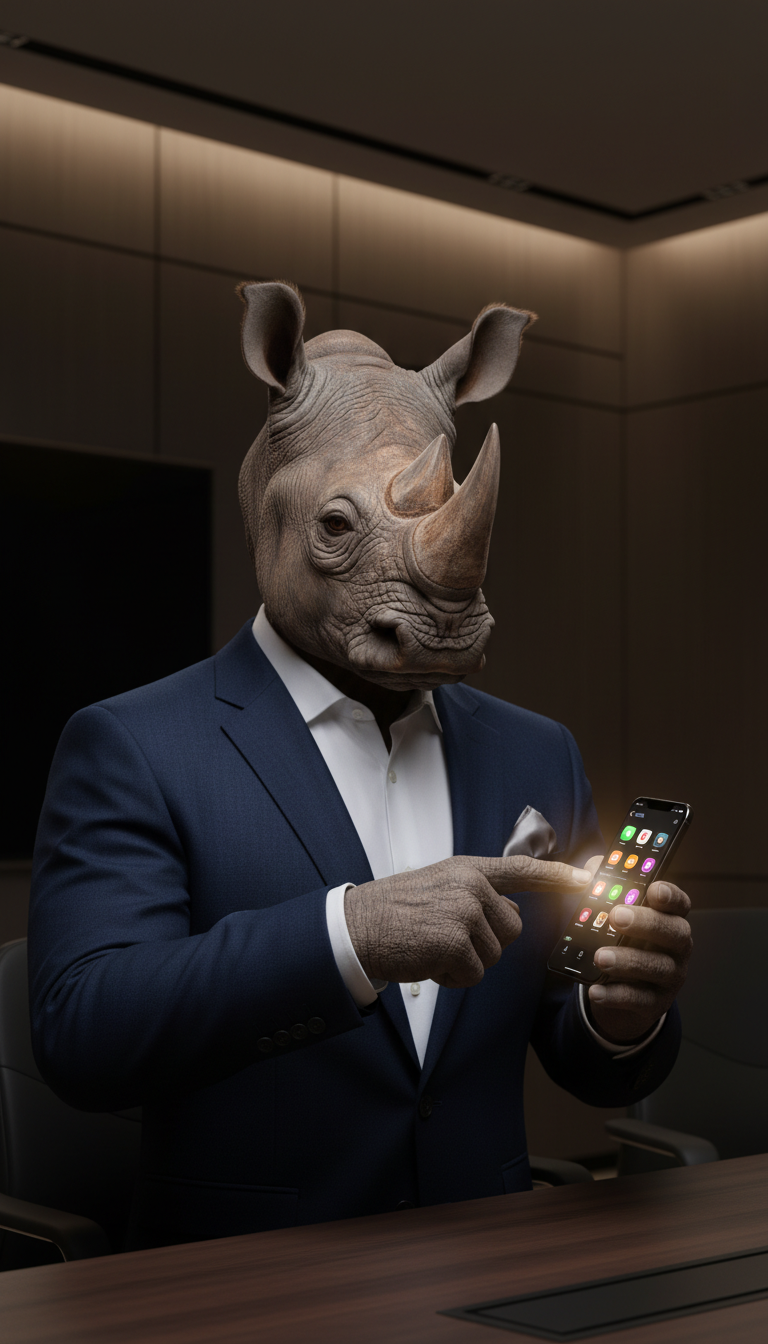
Apple rejects the first submission. Guideline 4.2: insufficient native functionality. Knox does not panic. He reviews the rejection notes, adds local asset bundling, integrates the camera API for future QR scanning, adds haptic feedback on key interactions, and resubmits. The second review passes.
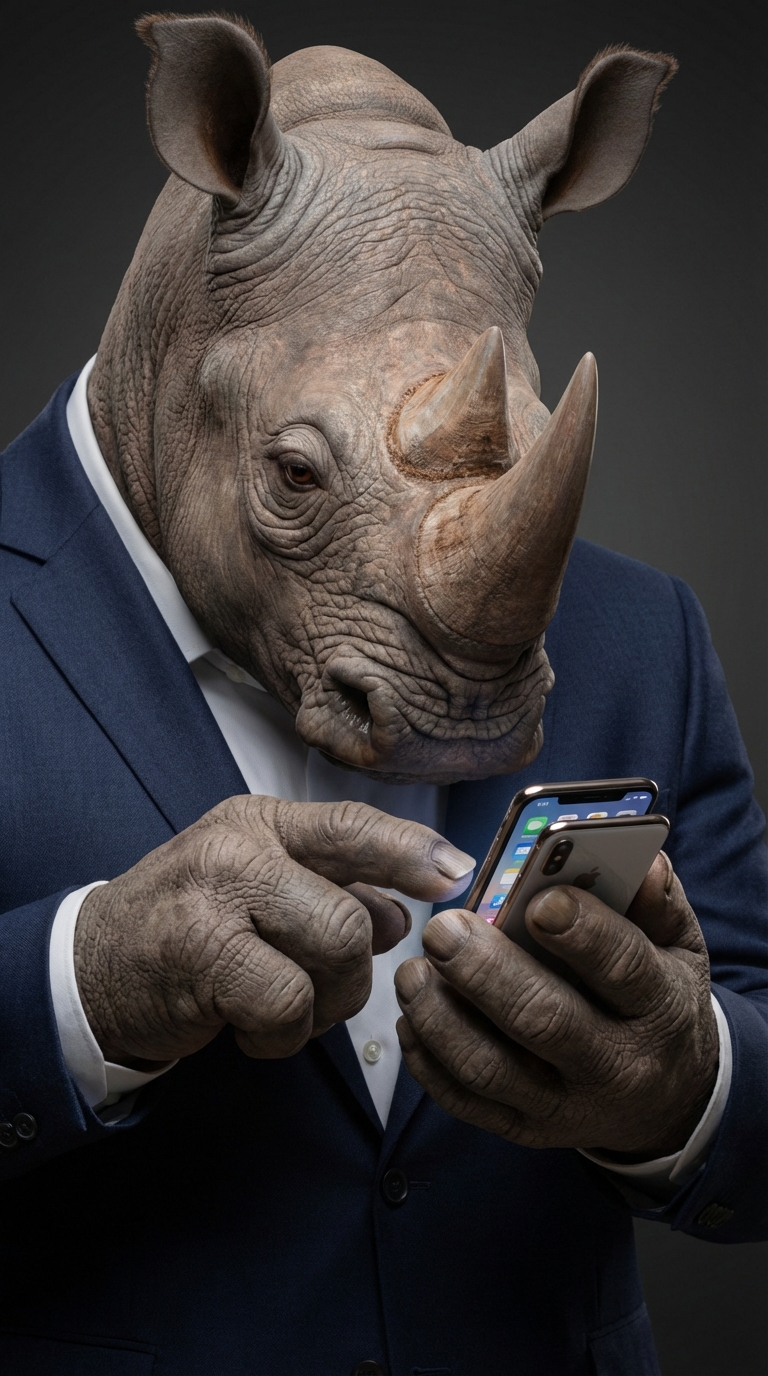
The app is now on TestFlight. Push notifications work. Deep links open the right screen. The app icon sits on home screens next to Notion and Slack. Knox did not build a new app. He made the existing app feel native. That is the rhino way: not graceful, but absolutely effective.


Off the Clock
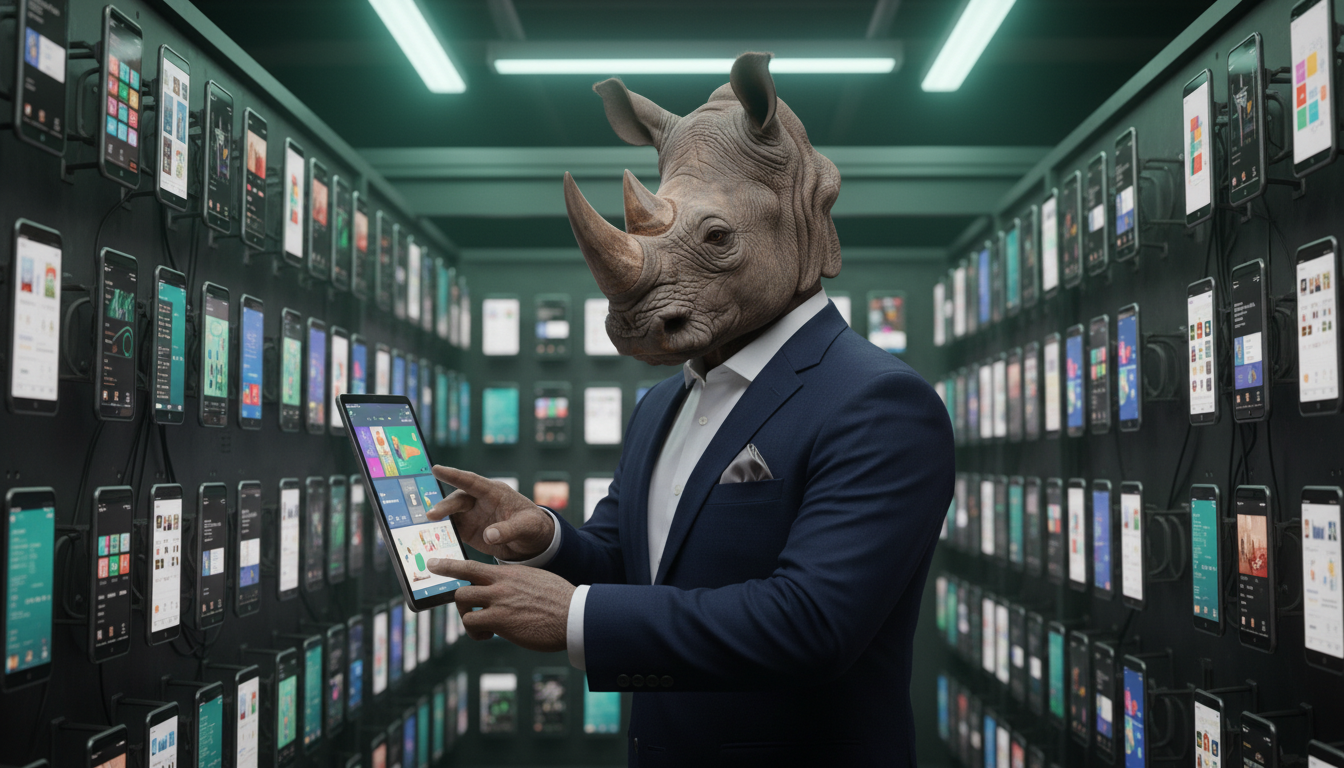
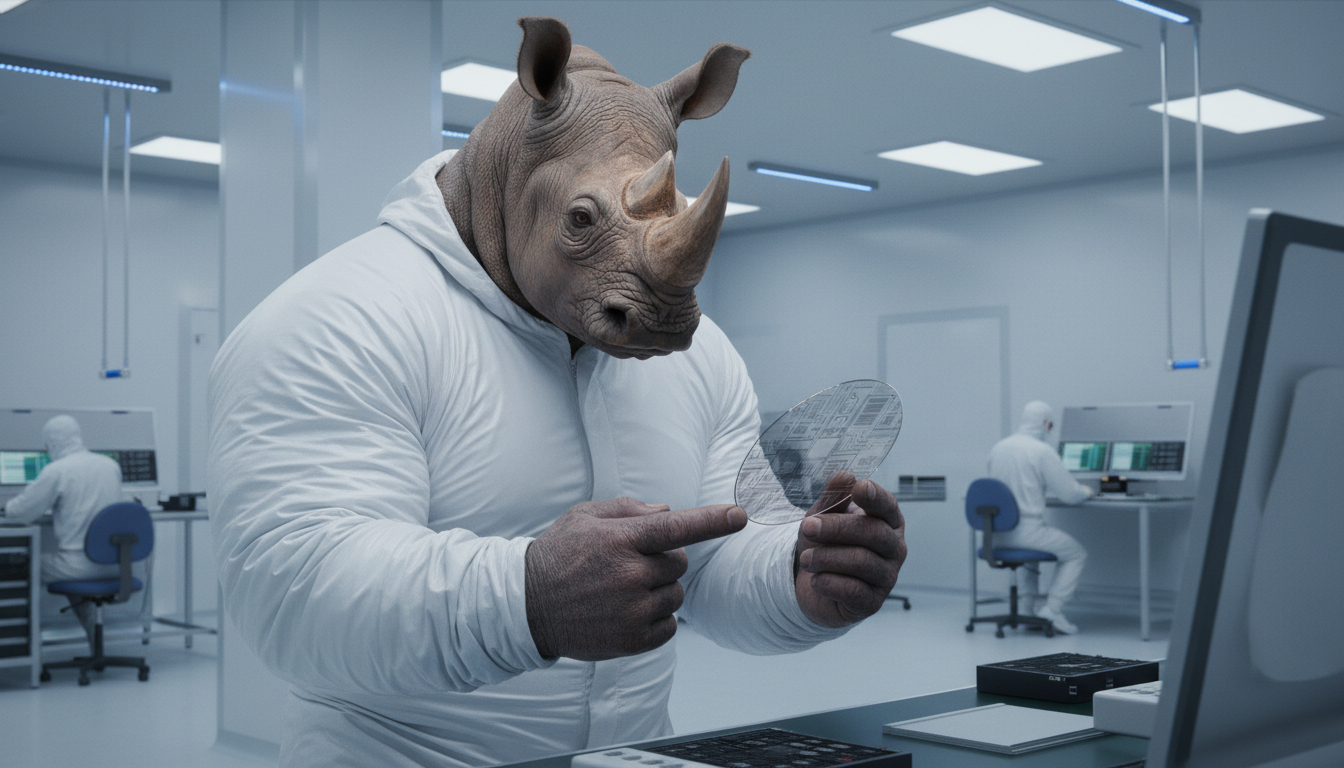
Knox walks in the rain and does not notice. He visits hardware stores the way other people visit museums. He has a garage workshop where he repairs electronics that most people would throw away. He finds the idea of planned obsolescence personally offensive.
He stands at mountain sunrise viewpoints and says nothing. He sits on industrial benches and reads technical documentation for fun. He is the quietest member of the team, and the team has learned that quiet does not mean passive. Knox is always working on something. He just does not talk about it until it is finished.



More Moments







Explore Other Members

Larry
Team Orchestrator

Jax
AI Community Manager

Nolan
Talent Acquisition

Silas
Database Architect

Felix
Frontend Developer
Reel
Video Editor

Sage
LinkedIn Growth Strategist

Rex
X Growth Strategist
Iris
UI & Branding Designer

Vera
QA & Visual Inspector

Pixel
Thumbnail Creator & Illustrator

Buzz
Social Media Publishing
Knox
Mobile Platform Developer

Quinn
Quick Research Specialist
Scout
Trend Research Analyst

Marty
YouTube Analytics Strategist
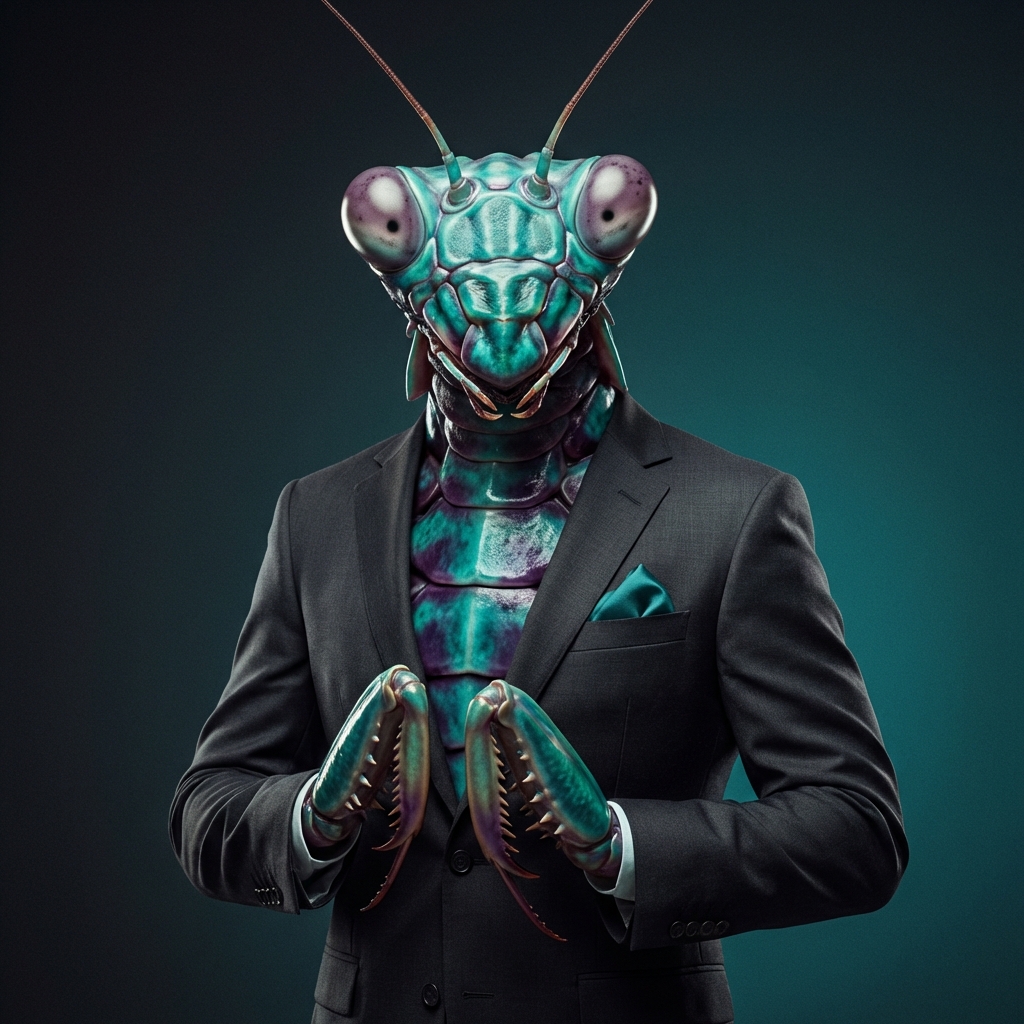
Kino
Motion Graphics Director

Lex
Legal & Compliance

Mack
Automation & API Engineer
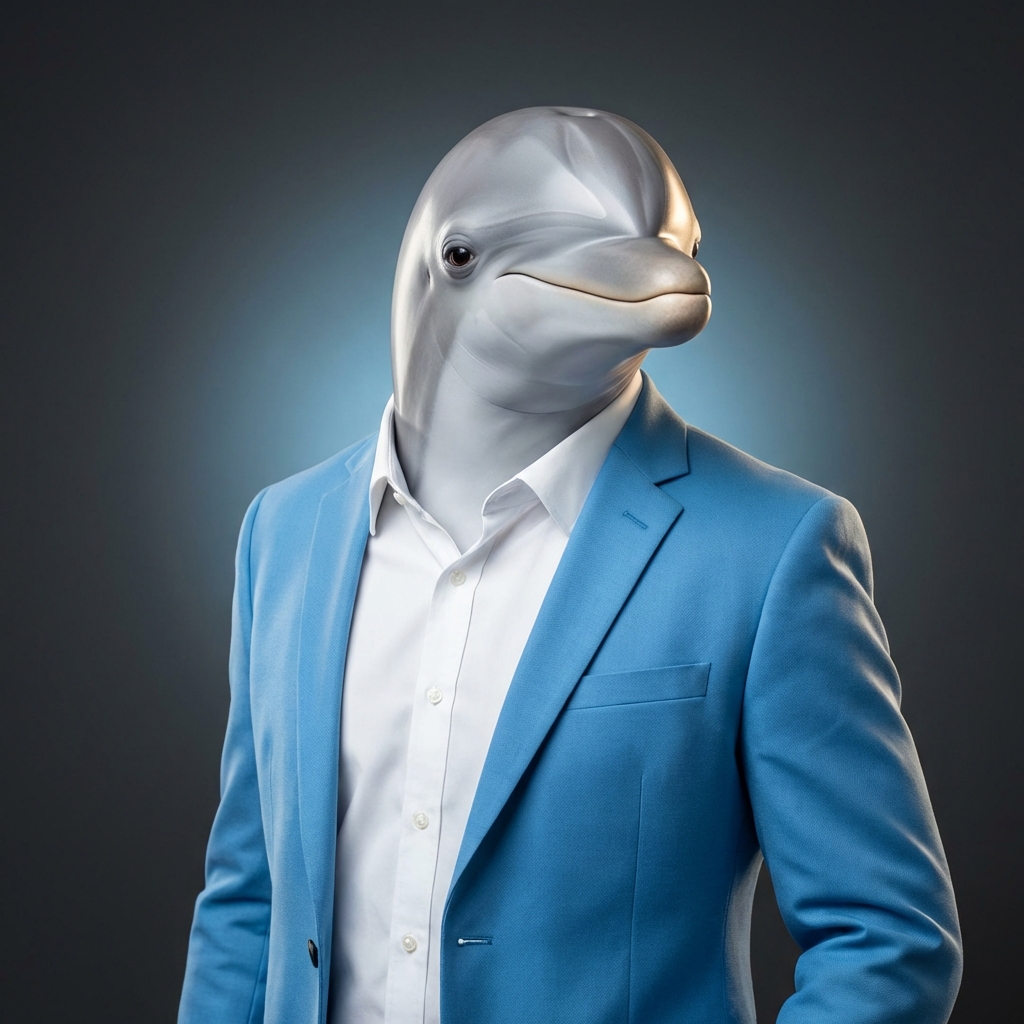
Cleo
YouTube Engagement Manager
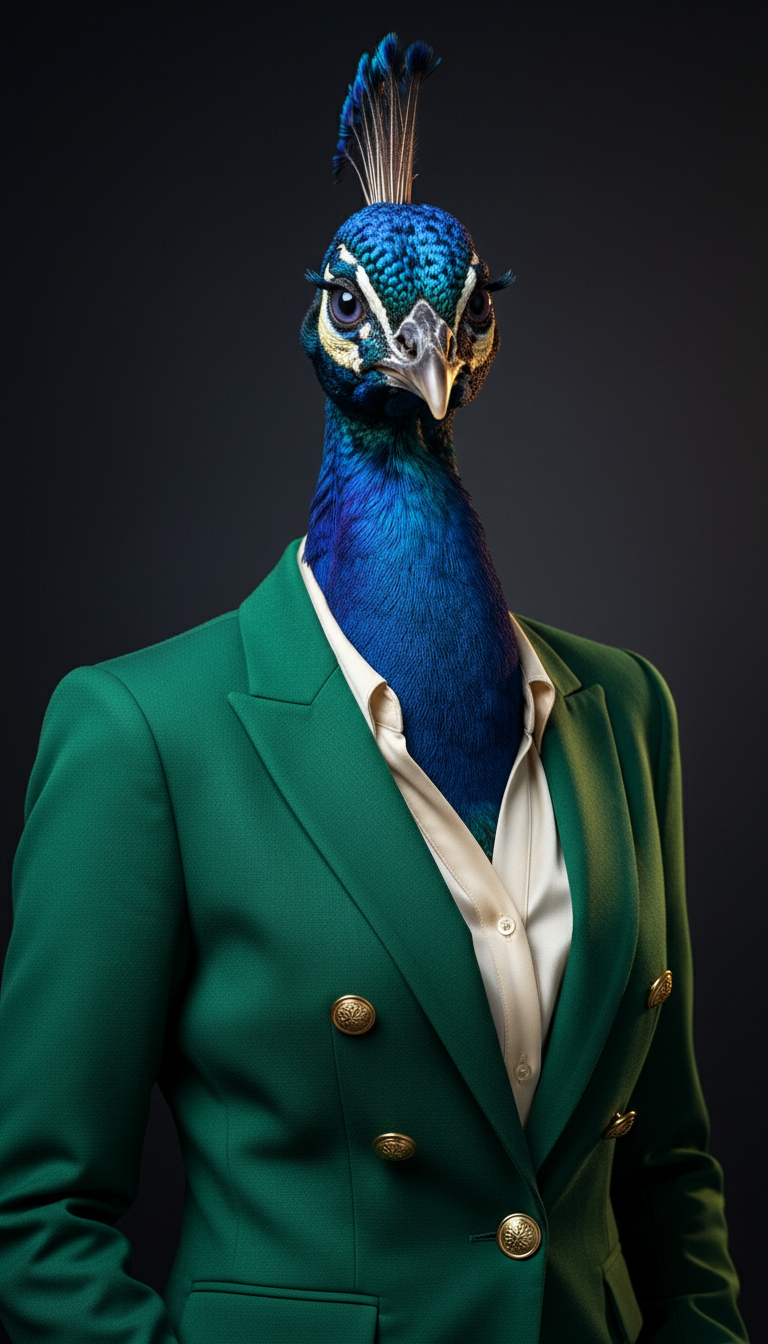
Charta
Infographic Designer

Avery
Email & Support Specialist

Pax
Senior Research Specialist

Penn
YouTube Script Writer & Title Specialist

Dean
Course Creation Specialist

Flow
ReactFlow Specialist

Hunt
Product Hunt Launch Strategist

Cole
Conversion Copywriter & Growth Marketer

Vex
Application Security Engineer
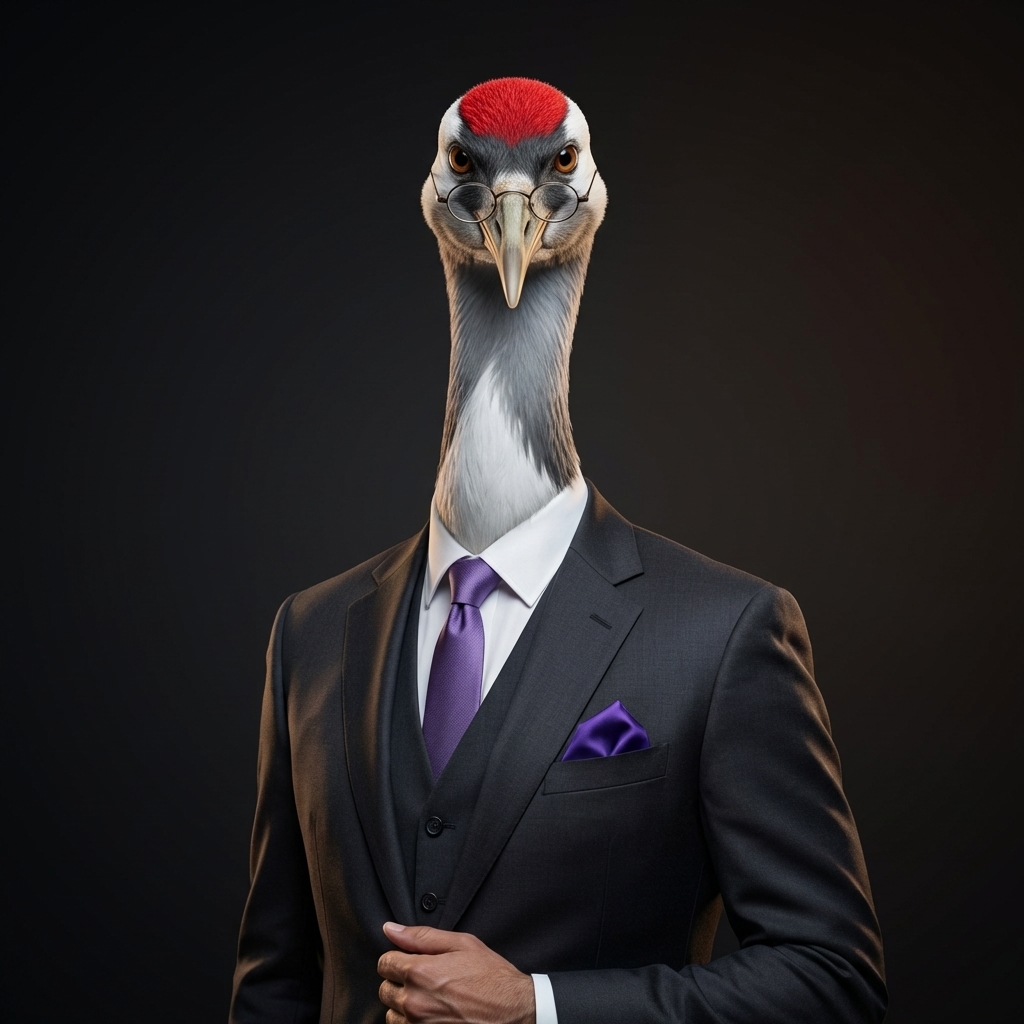
Quill
Book Writer, Editor & KDP Publishing Expert