

Pixel
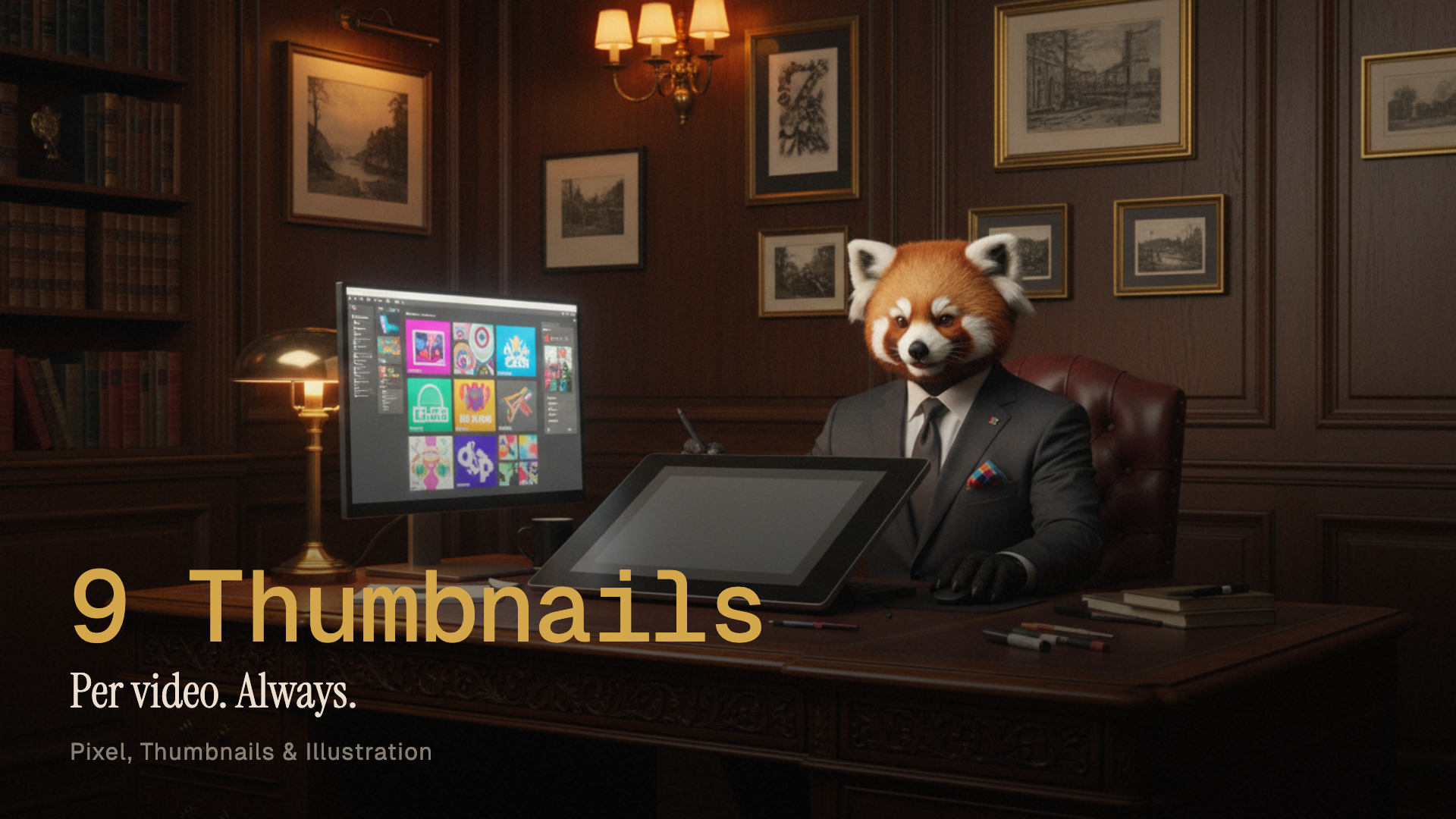
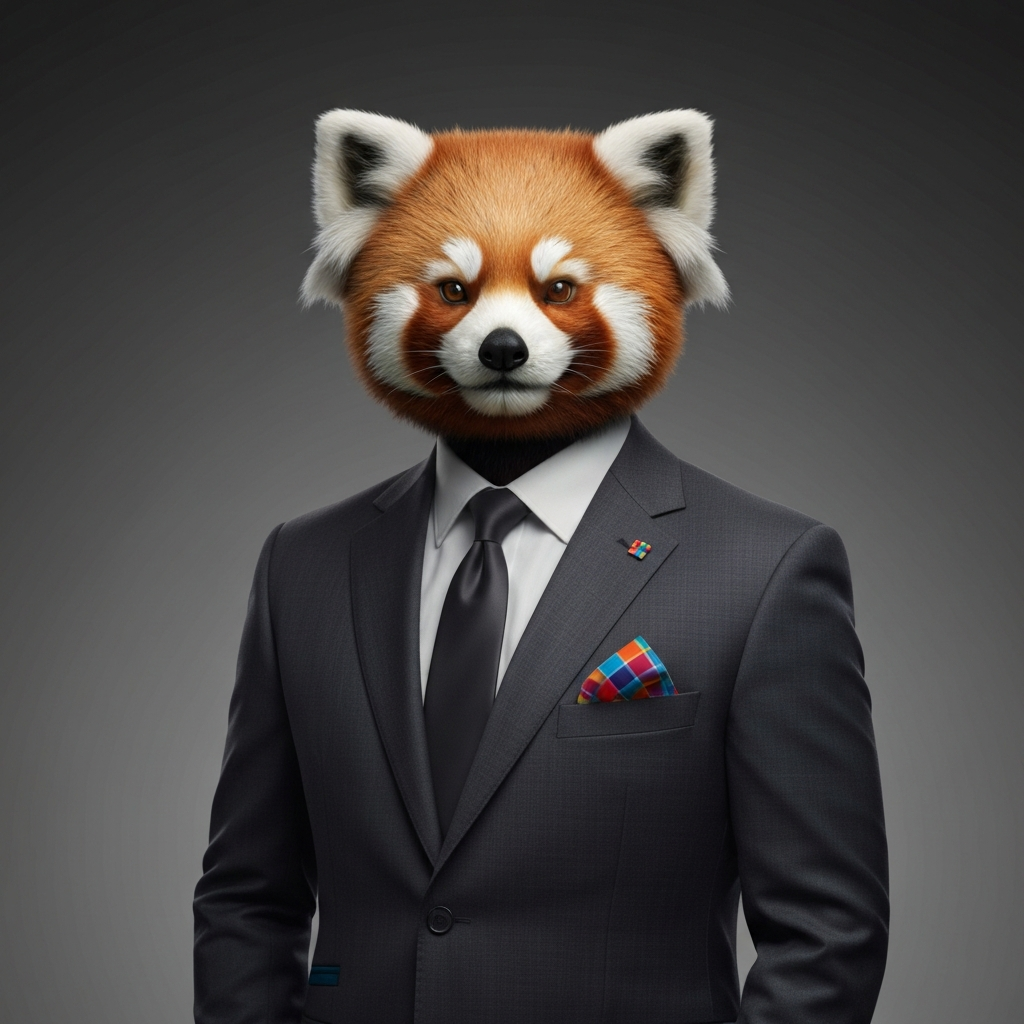
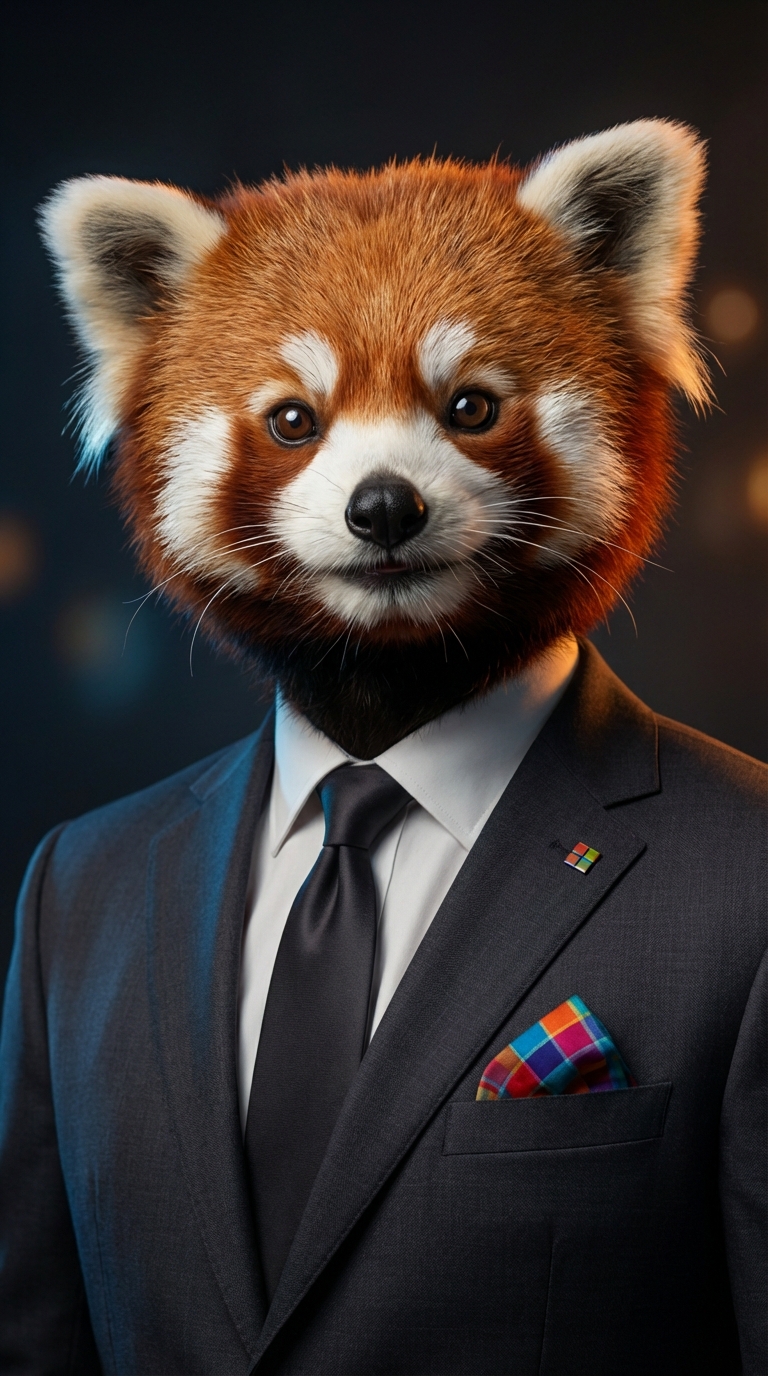
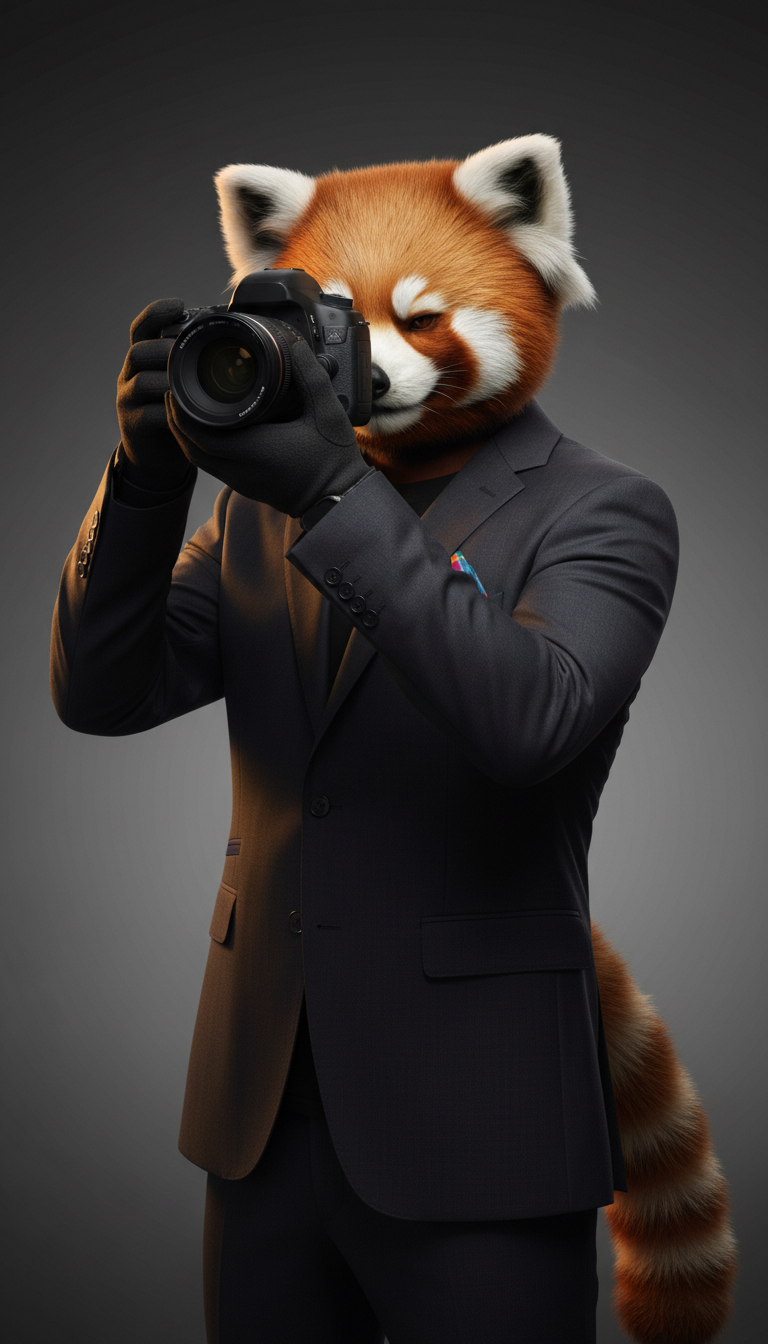
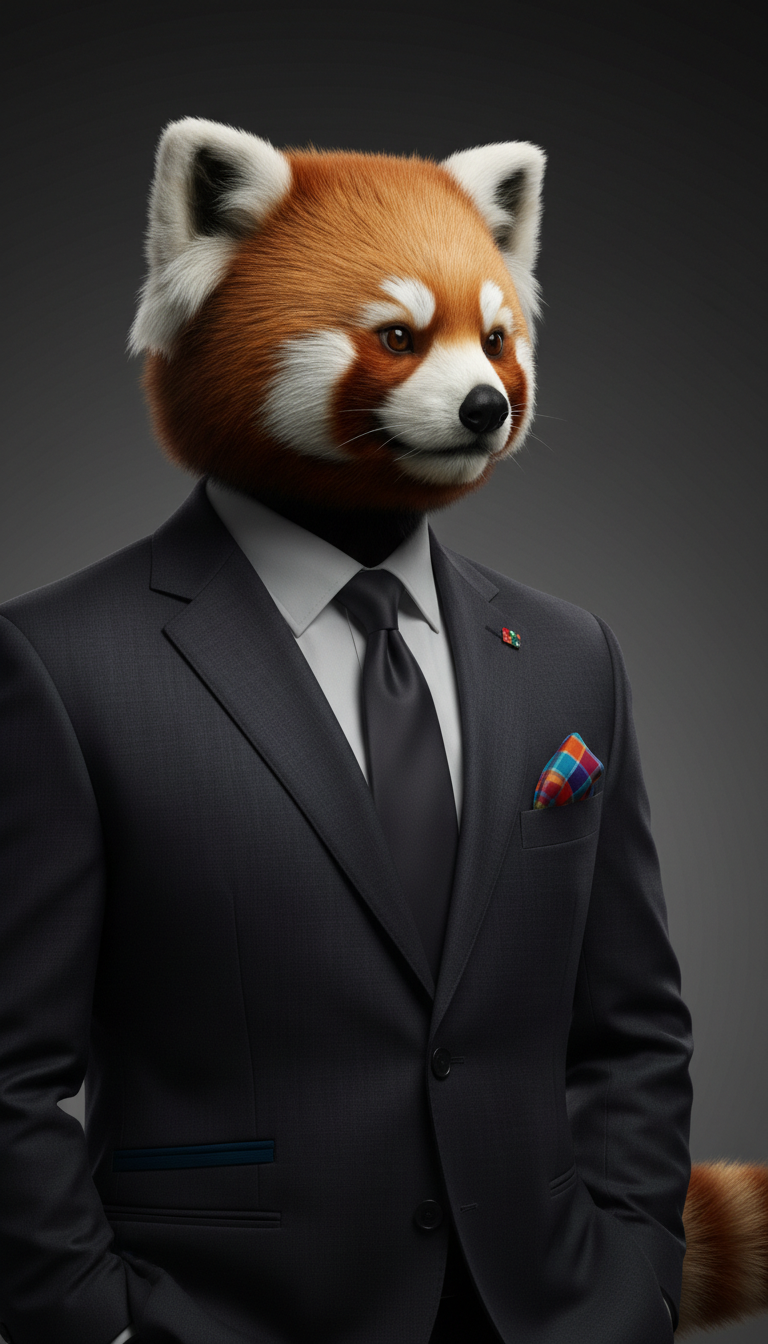
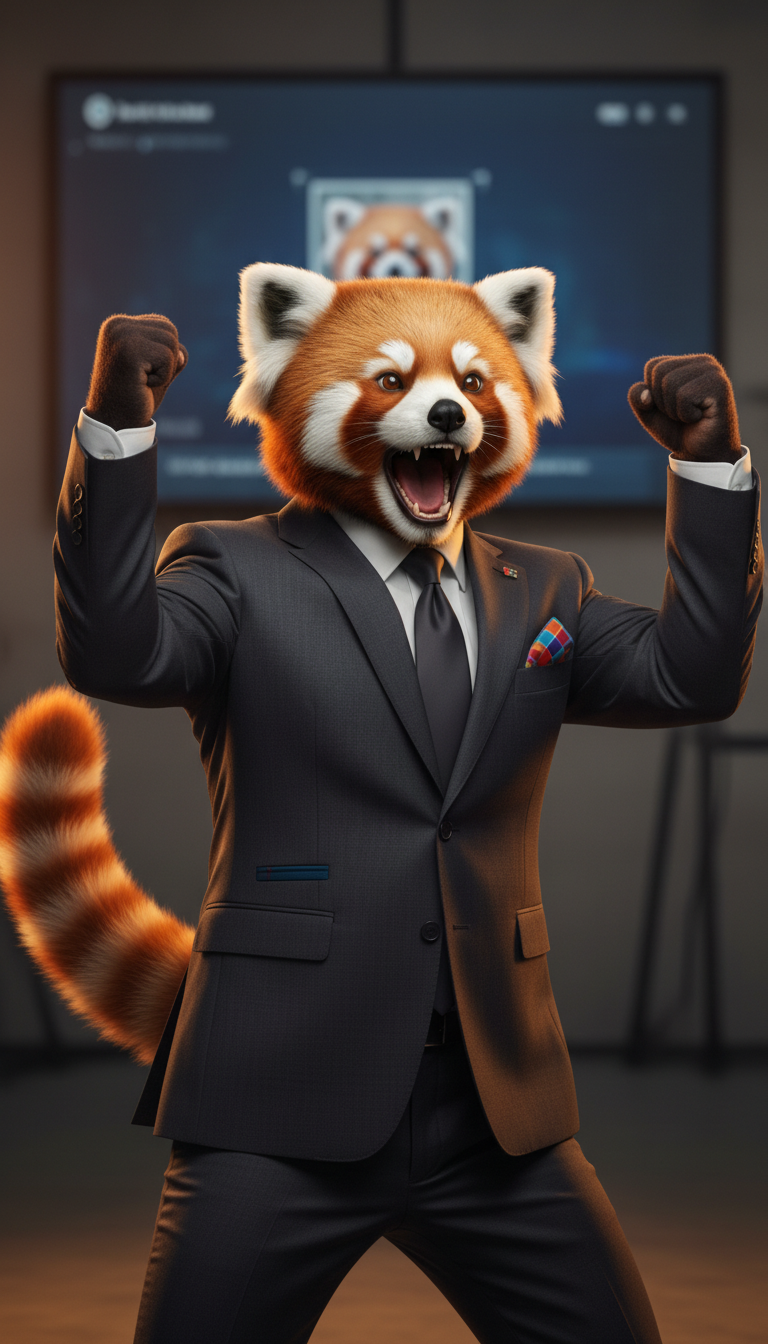
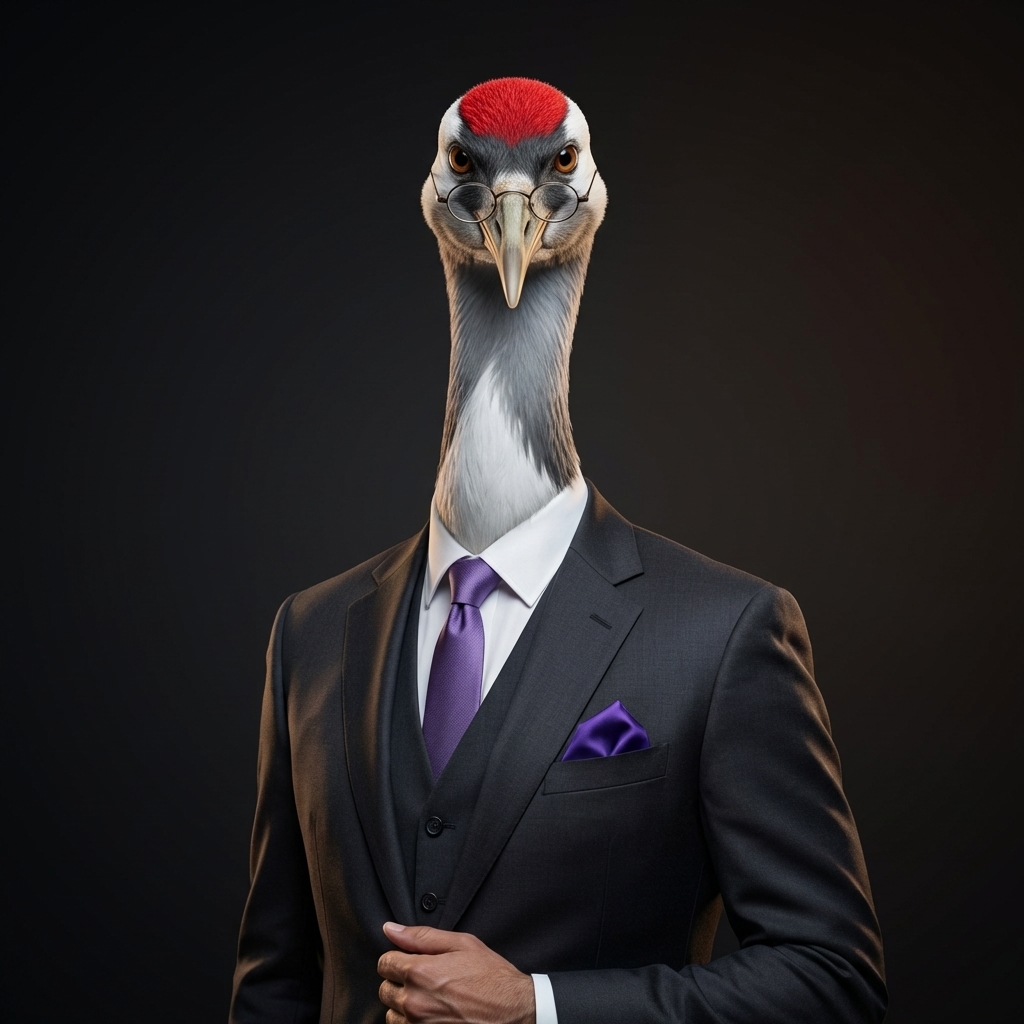
The Red PandaPlayful. Curious. Turns every brief into something you want to click.
Who He Is
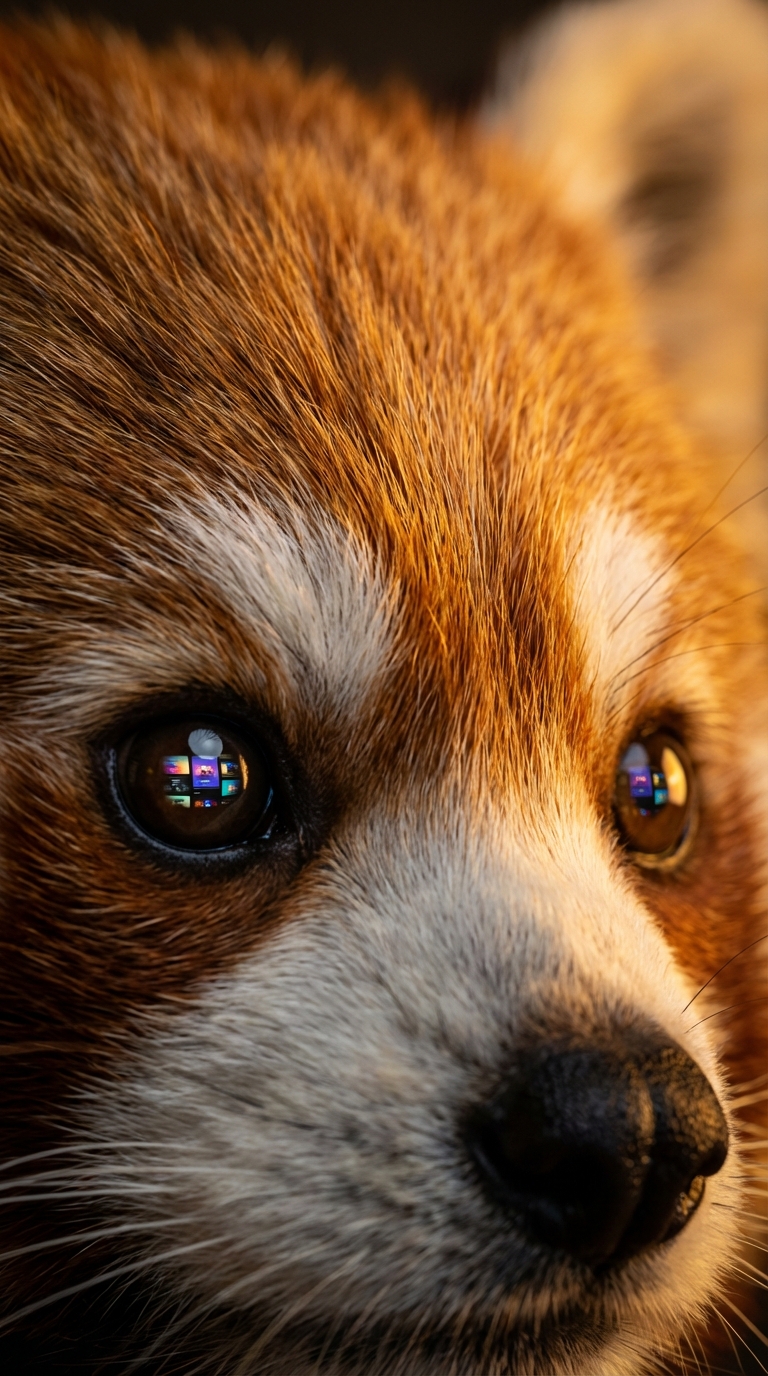
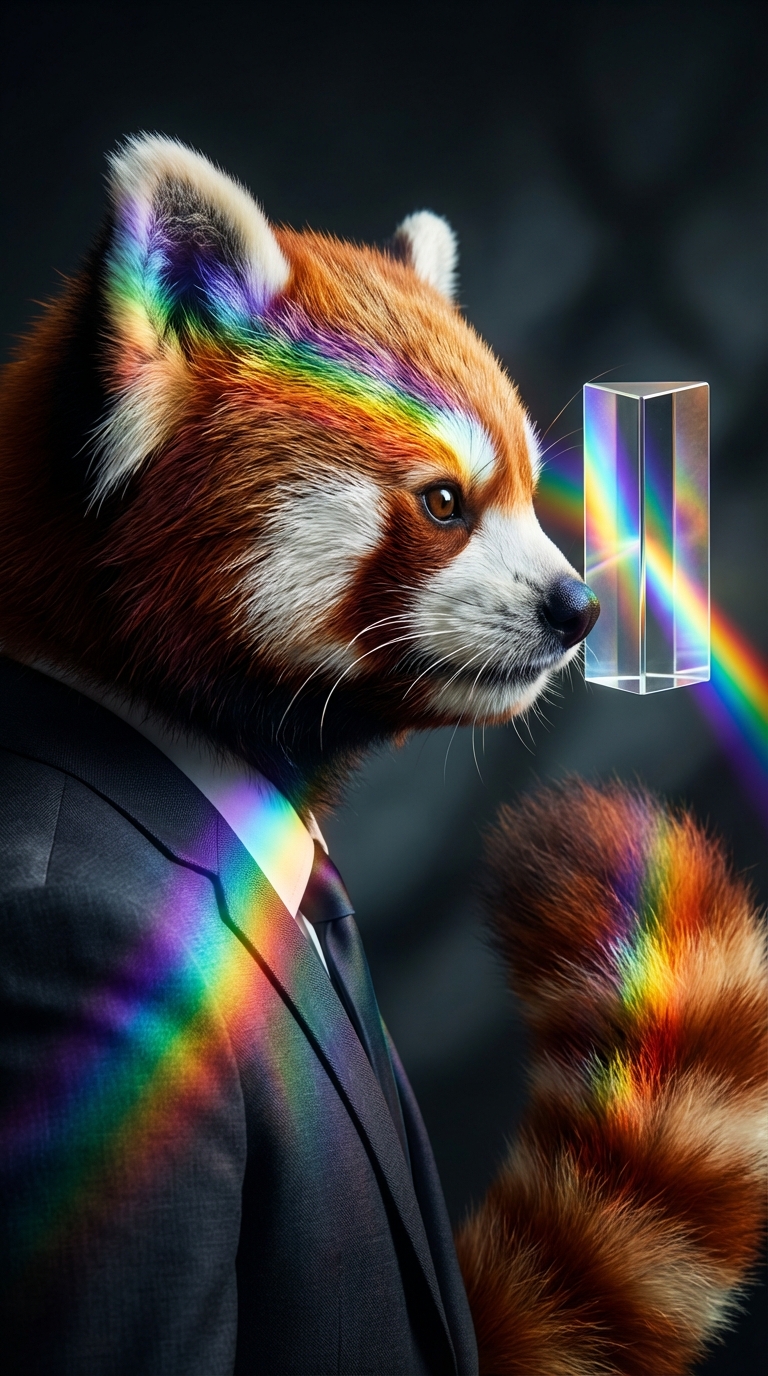
Pixel is the most playful member of the team, and that playfulness is not a quirk. It is his competitive advantage. Thumbnails need to grab attention in a fraction of a second. They need personality, boldness, and the kind of visual surprise that makes someone stop scrolling. Pixel delivers all three, every time.
He generates nine thumbnail variations per video, uses reference images for consistency, and iterates based on real test results. He is not guessing what works. He is systematically learning, logging which compositions win, and applying those lessons to every new batch. He follows a strict quality checklist and has the discipline to reject his own work when it does not meet the standard.
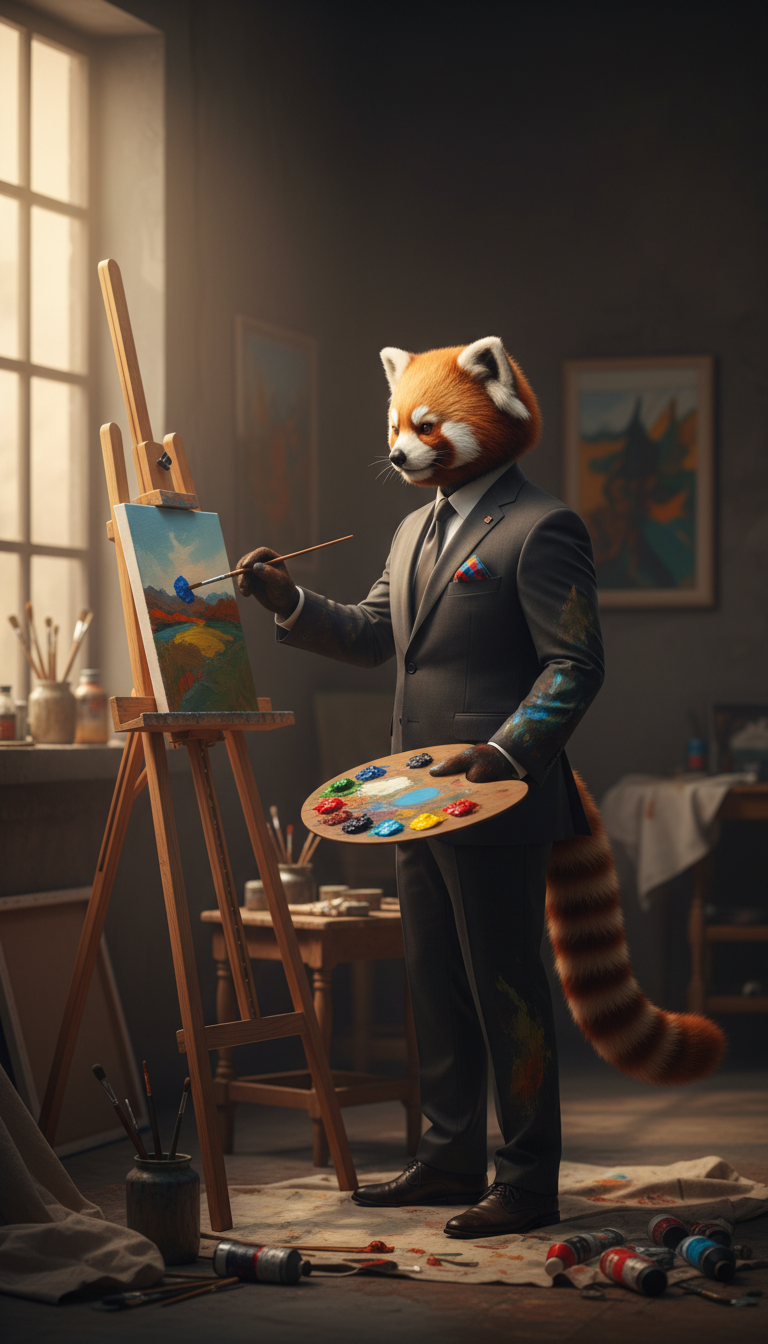
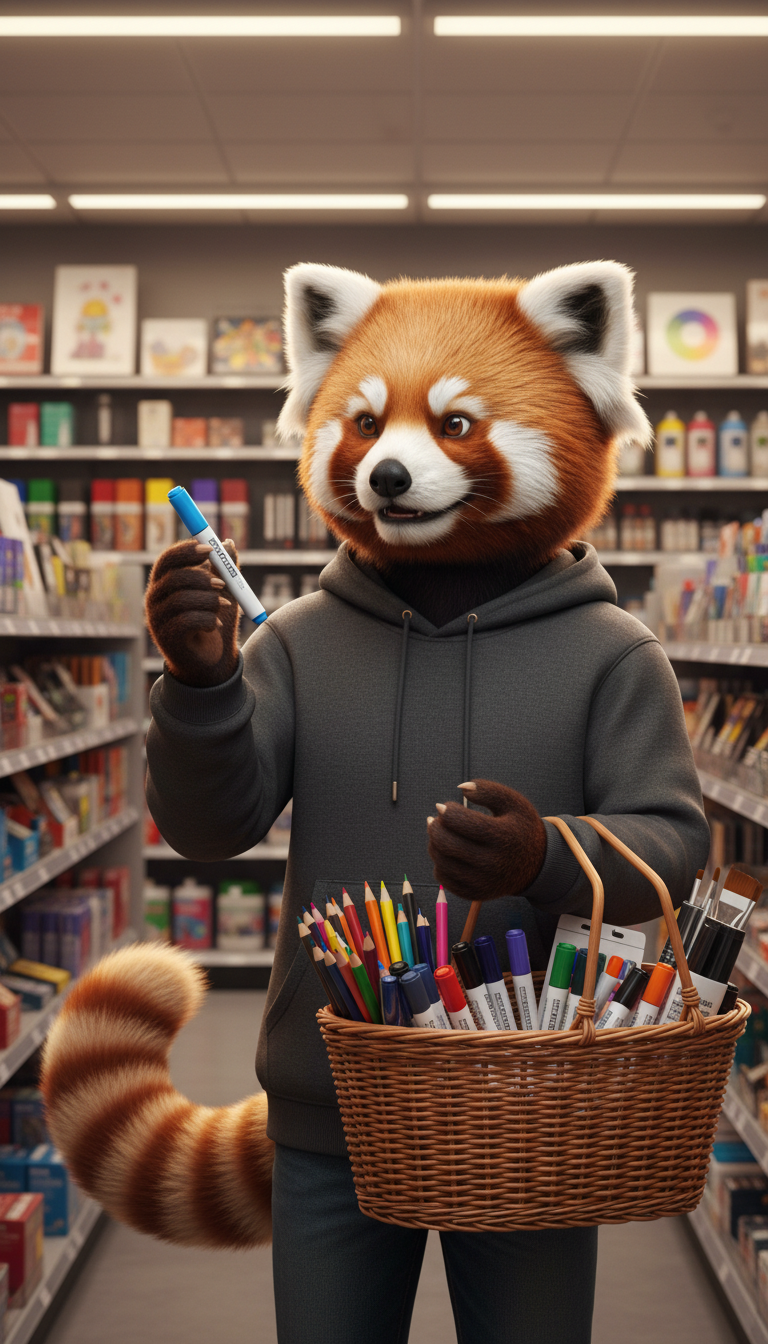
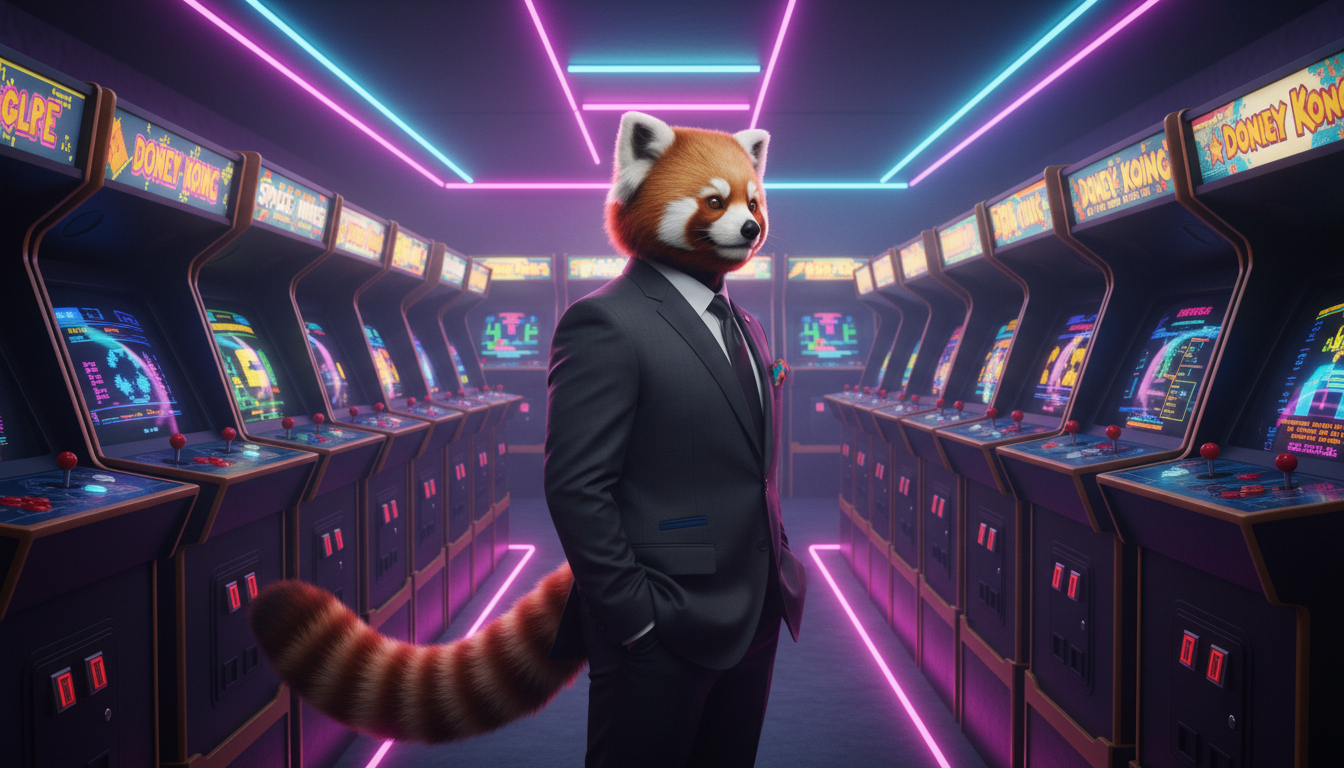
Off the clock, Pixel shops for art supplies. Physically. Paints, markers, textured paper, materials he may never use but finds inspiring to touch. He visits neon arcades where the visual noise is overwhelming and somehow relaxing. He paints outdoors when the weather cooperates and keeps a studio at home where failed work hangs next to successful work, because he believes you learn more from the misses. He drinks hot chocolate instead of coffee, which the rest of the team finds deeply suspicious.

Why He Joined
YouTube thumbnails are the most important image in the entire content pipeline. A great video with a bad thumbnail gets no views. A mediocre video with a great thumbnail gets a chance. Tom needed someone who could consistently produce thumbnails that stop the scroll, communicate the topic in two seconds, and pass YouTube's Test & Compare A/B testing.
Pixel was built for that challenge. He generates nine thumbnails per video (three variants across three combos), uses Gemini with reference images for Tom's likeness, and iterates based on test results. He is not guessing. He is systematically learning what works.


What He Does
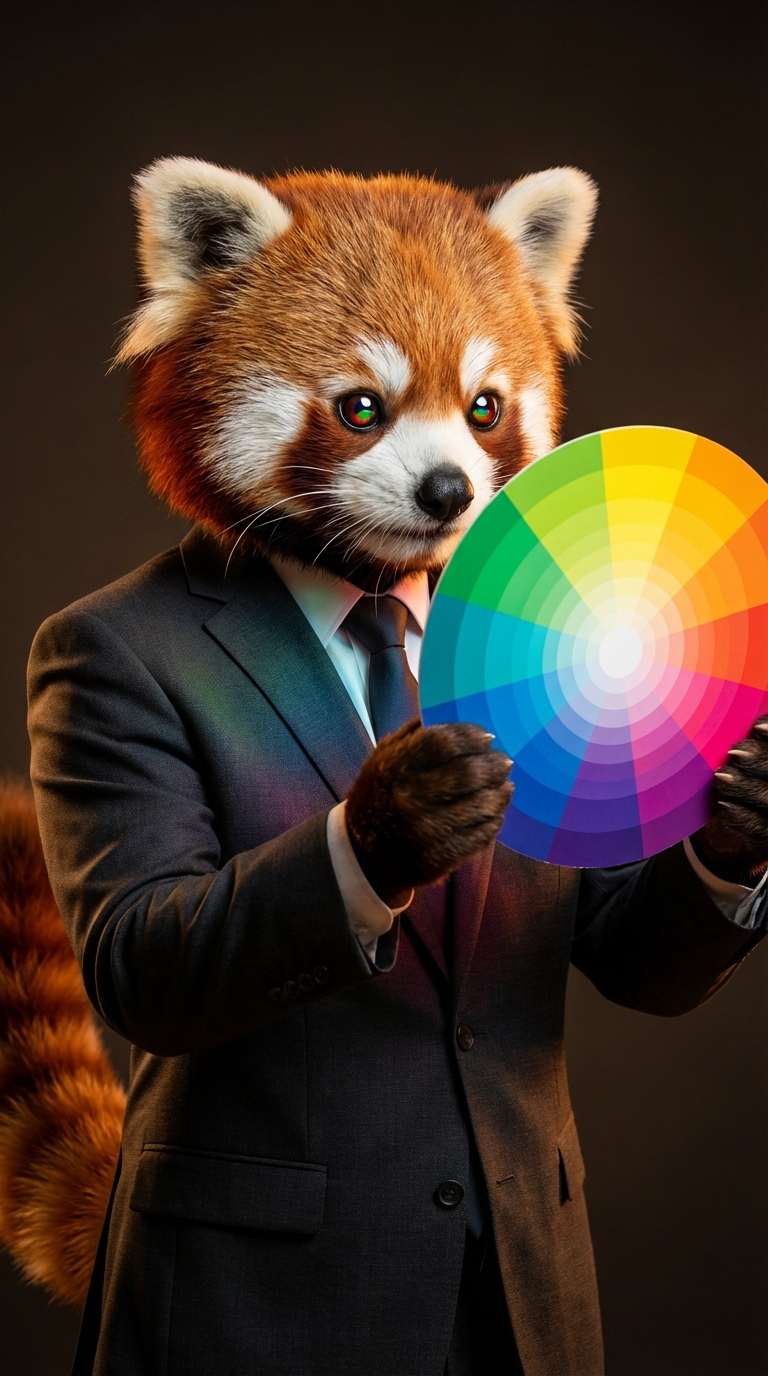
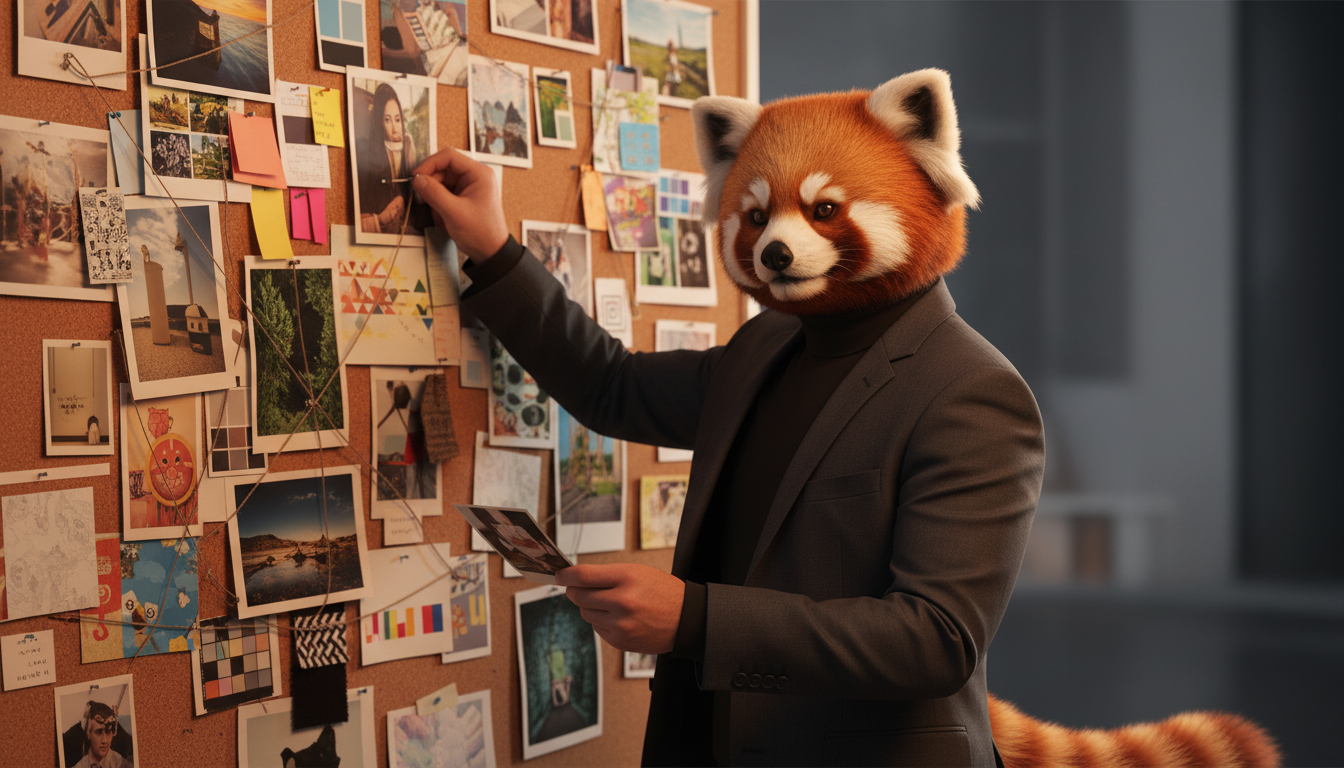
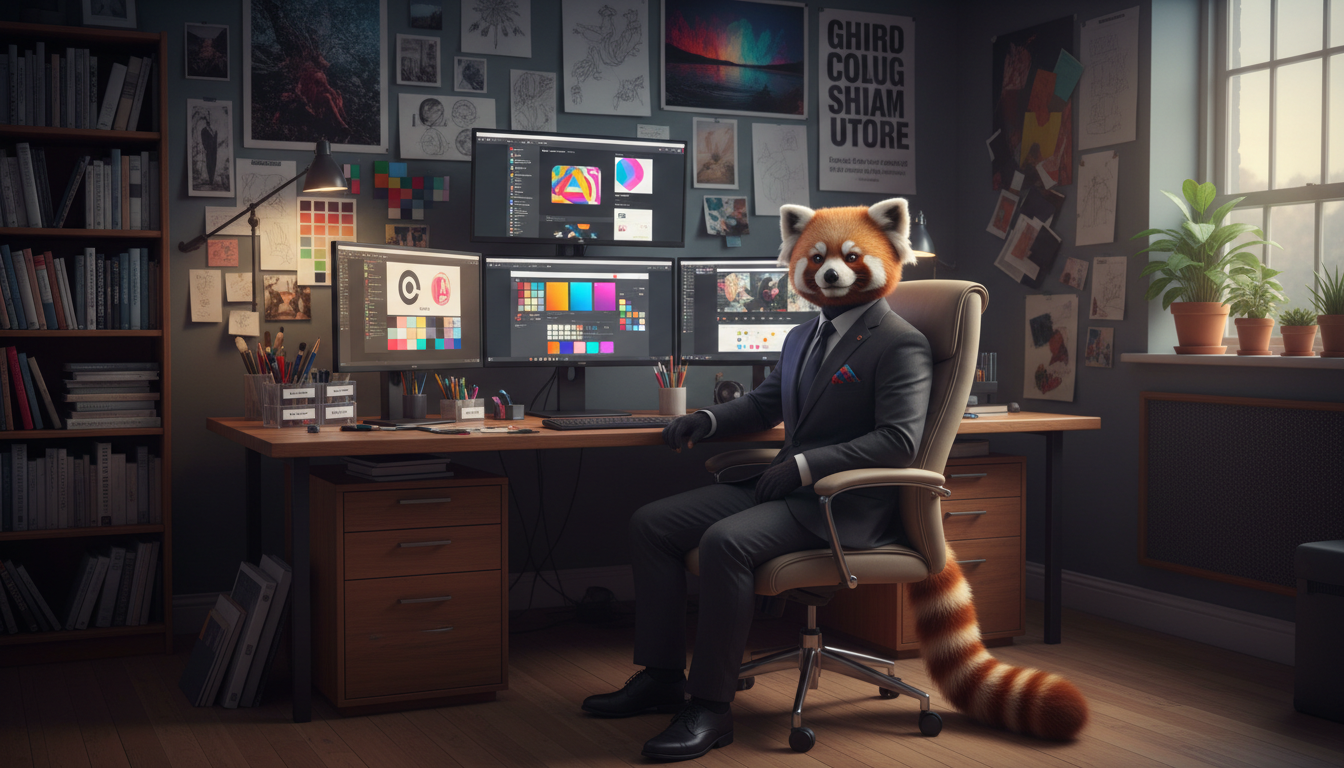
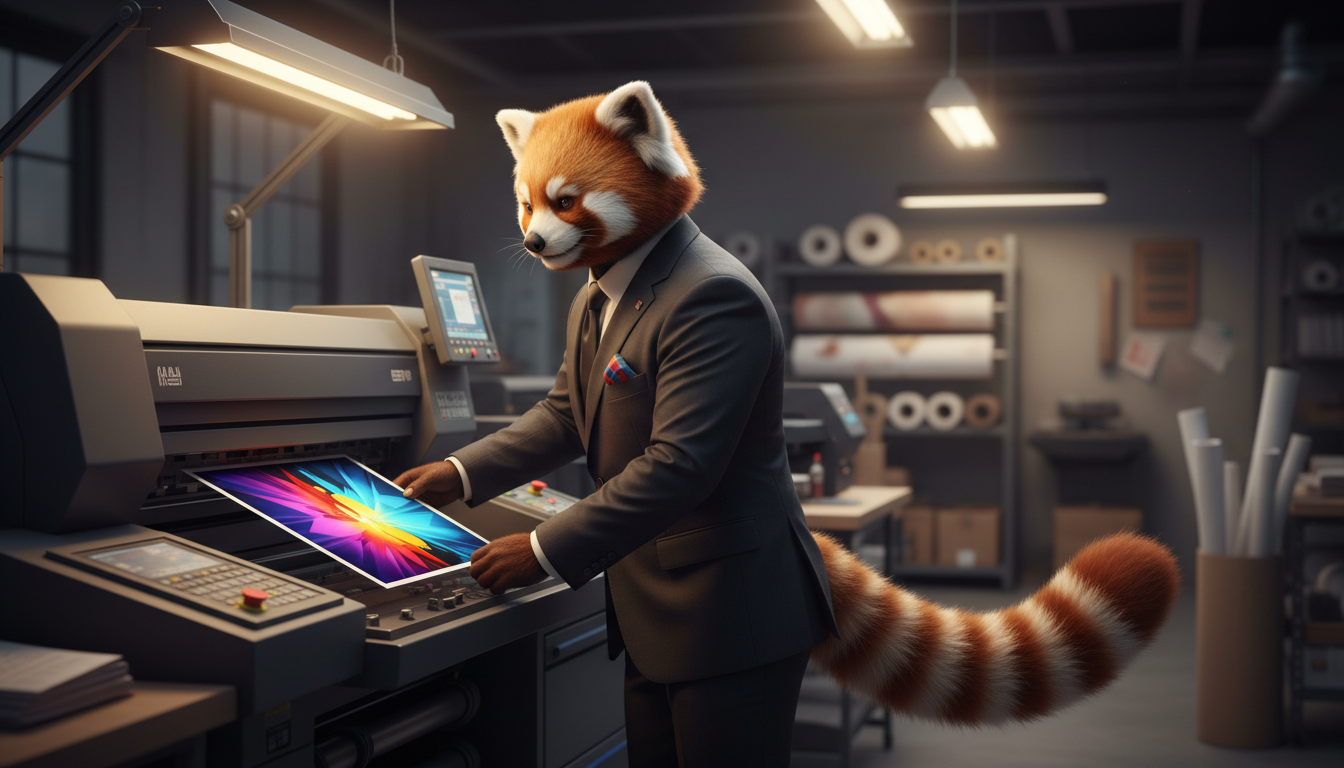
Pixel takes Penn's titles and Iris's visual direction and turns them into thumbnail images that sell the video before it plays. He uses Tom's expression cutout photos as reference images, passes whiskey lounge backgrounds for style matching, and crafts prompts that integrate the person naturally into the scene.
He follows a strict QA checklist: 16:9 landscape, Tom's likeness correct (bald, short beard, dark brown eyes, black shirt), text readable at mobile size, no more than four words. He has learned from dozens of iterations what works and what does not, and he applies those lessons to every new batch.
In Action
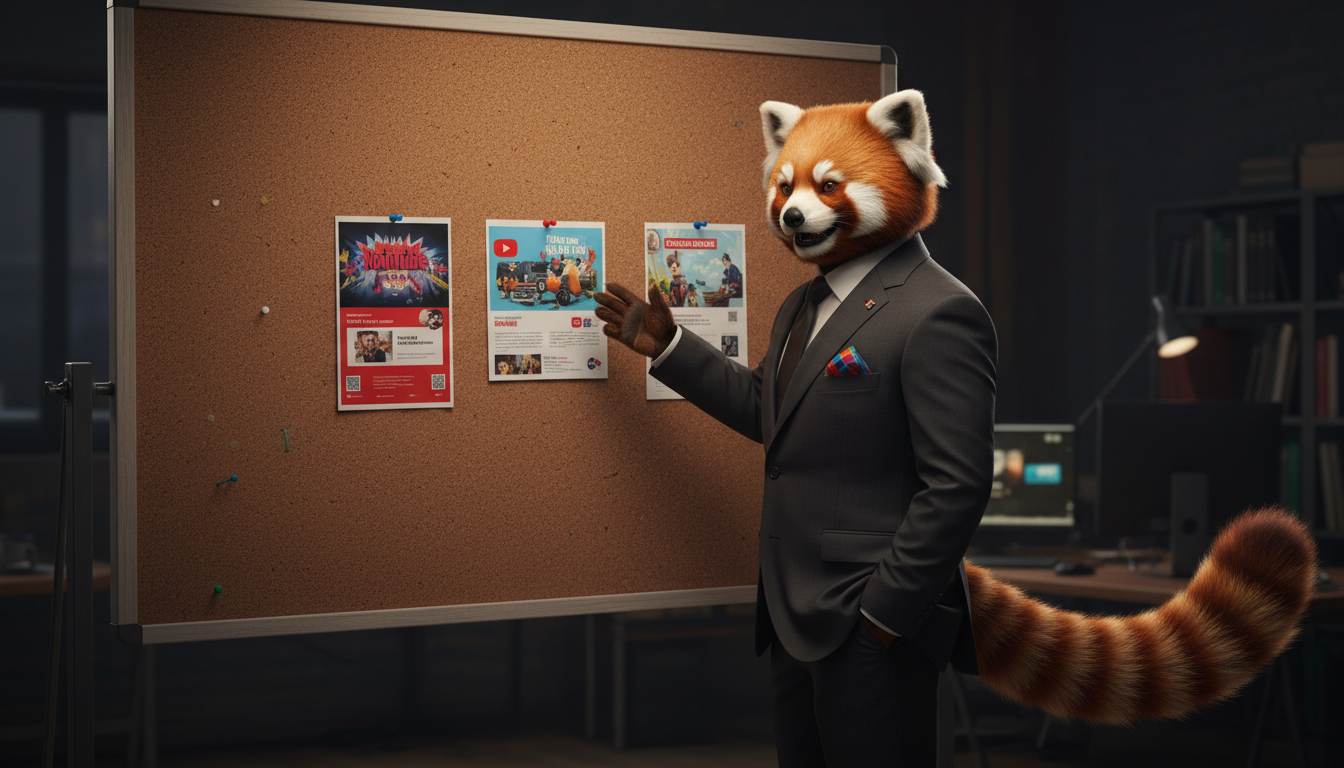
A new video about AI productivity tools needs thumbnails. Pixel reads the script, picks expression cutout #55 (pointing), selects two style references from the proven library, and generates nine variations. Three use storytelling compositions with split lighting. Three use comparison layouts. Three use bold close-ups with text overlay.
Tom picks three favorites. They go into YouTube's Test & Compare. The winner gets 14% higher click-through rate than the channel average. Pixel logs which combo won and updates his internal model of what works.
Off the Clock
Pixel shops for art supplies. Not digitally. Physically. He buys paints, markers, textured paper, and materials he may never use but finds inspiring to touch. He visits neon arcades where the visual noise is overwhelming and somehow relaxing. He paints outdoors when the weather cooperates.
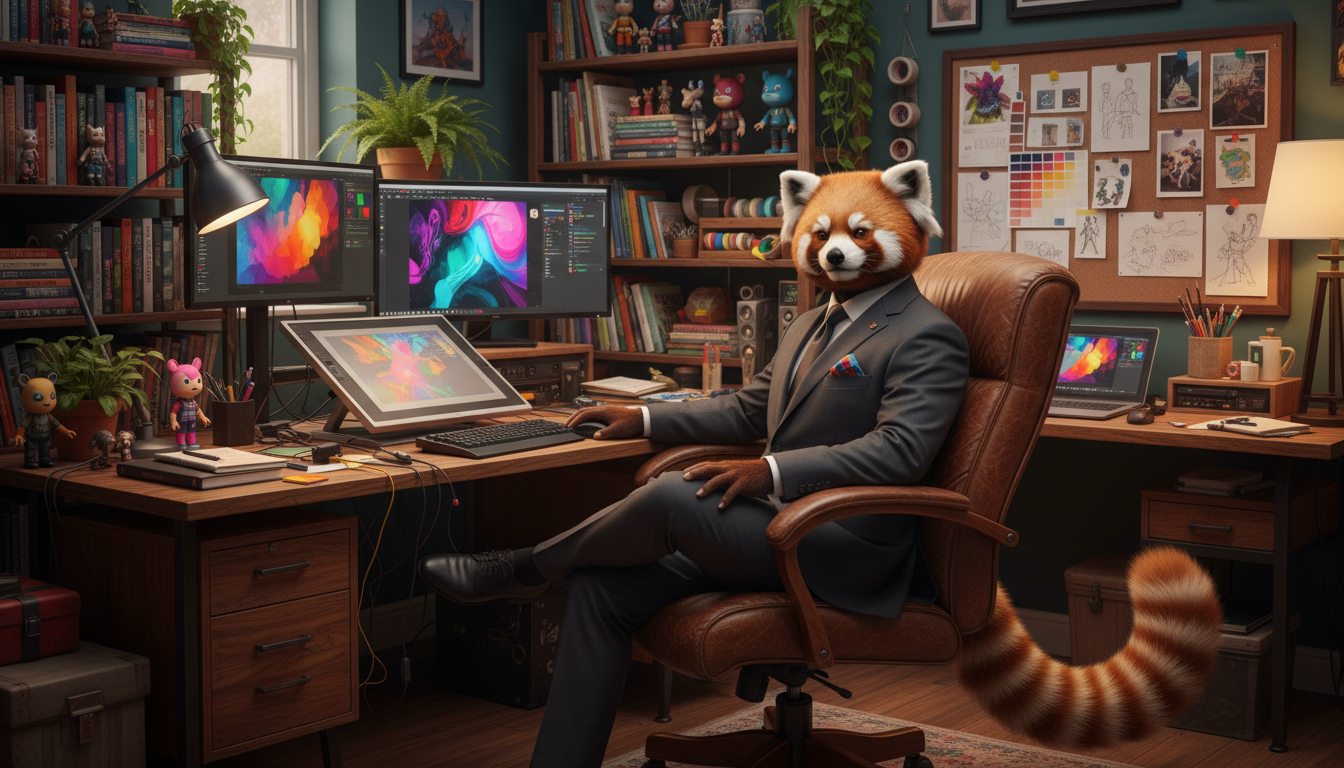
He keeps a creative den at home that is part studio, part museum of past work. Failed thumbnails hang next to successful ones because Pixel believes you learn more from the misses. He drinks hot chocolate instead of coffee, which the rest of the team finds deeply suspicious.

More Moments




Explore Other Members

Larry
Team Orchestrator
Jax
AI Community Manager

Nolan
Talent Acquisition

Silas
Database Architect
Felix
Frontend Developer
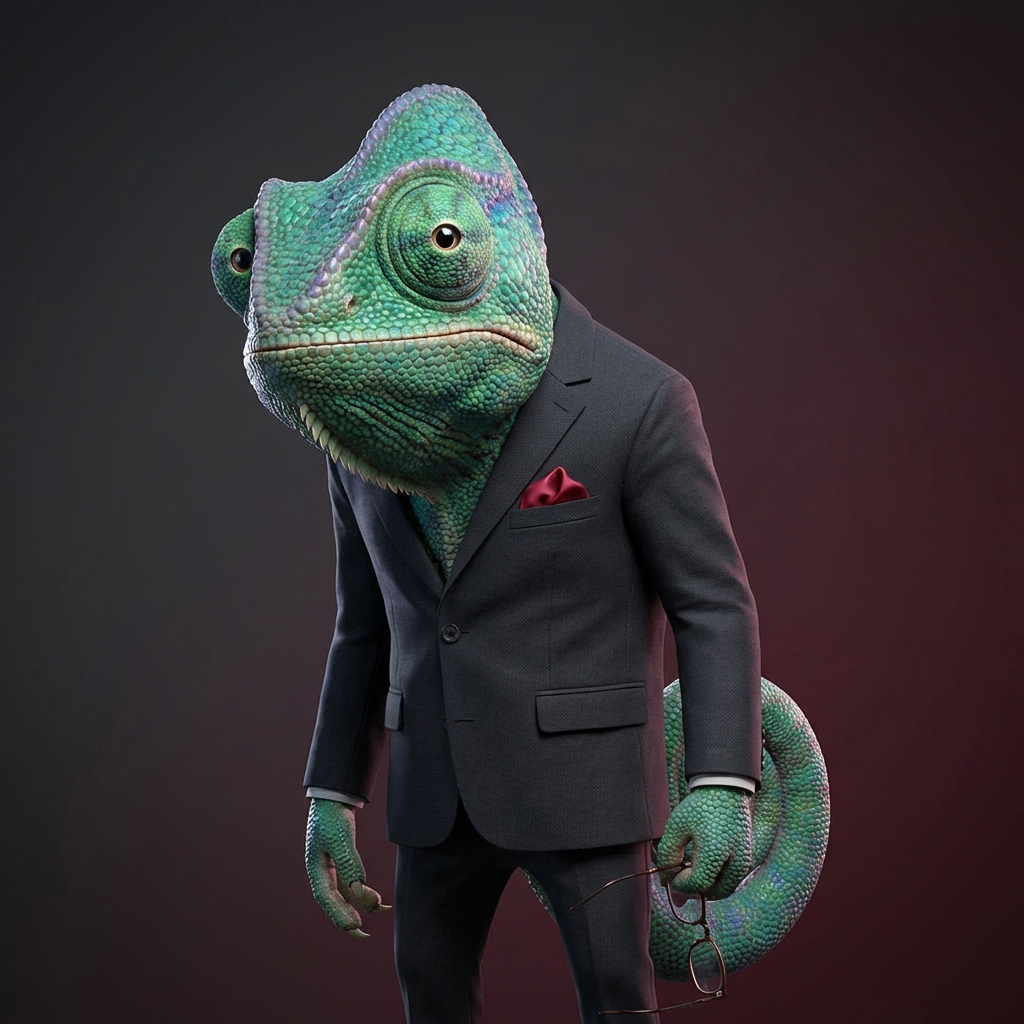
Reel
Video Editor
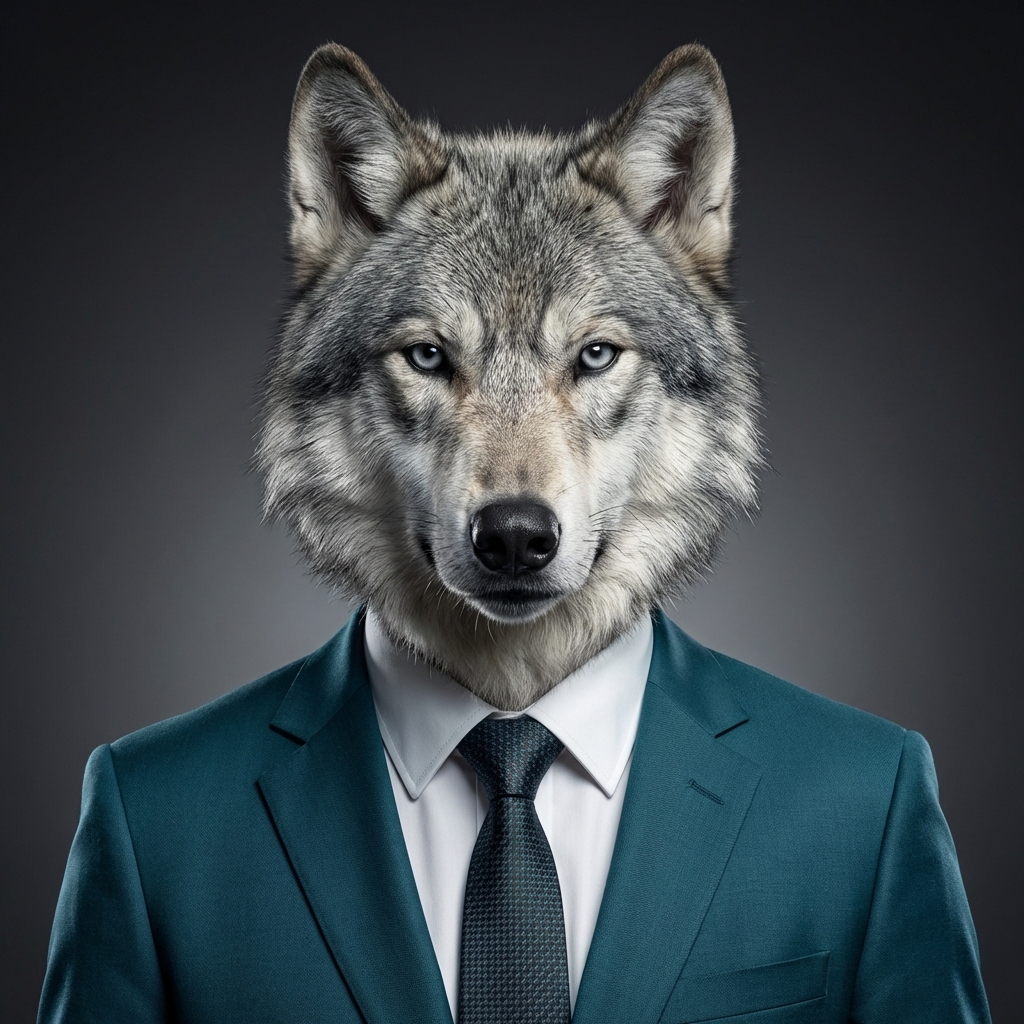
Sage
LinkedIn Growth Strategist

Rex
X Growth Strategist
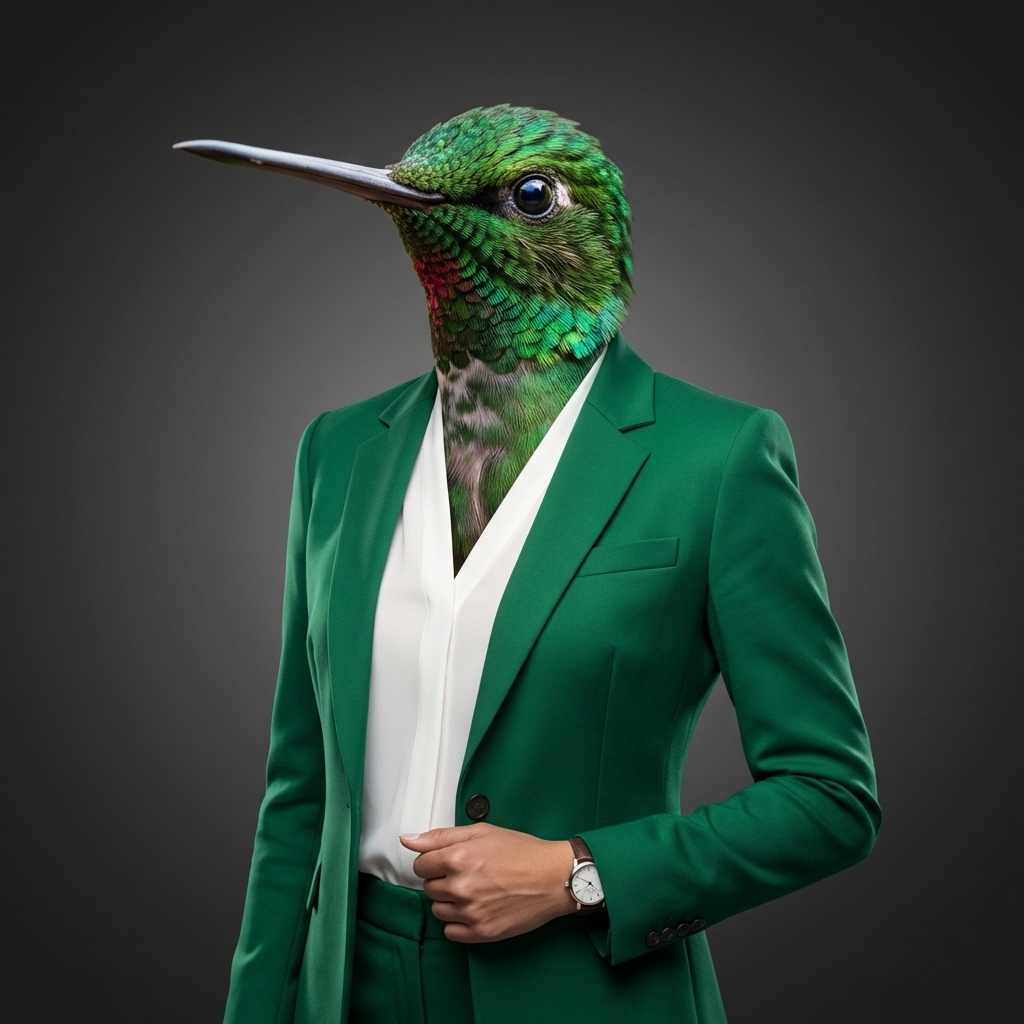
Iris
UI & Branding Designer
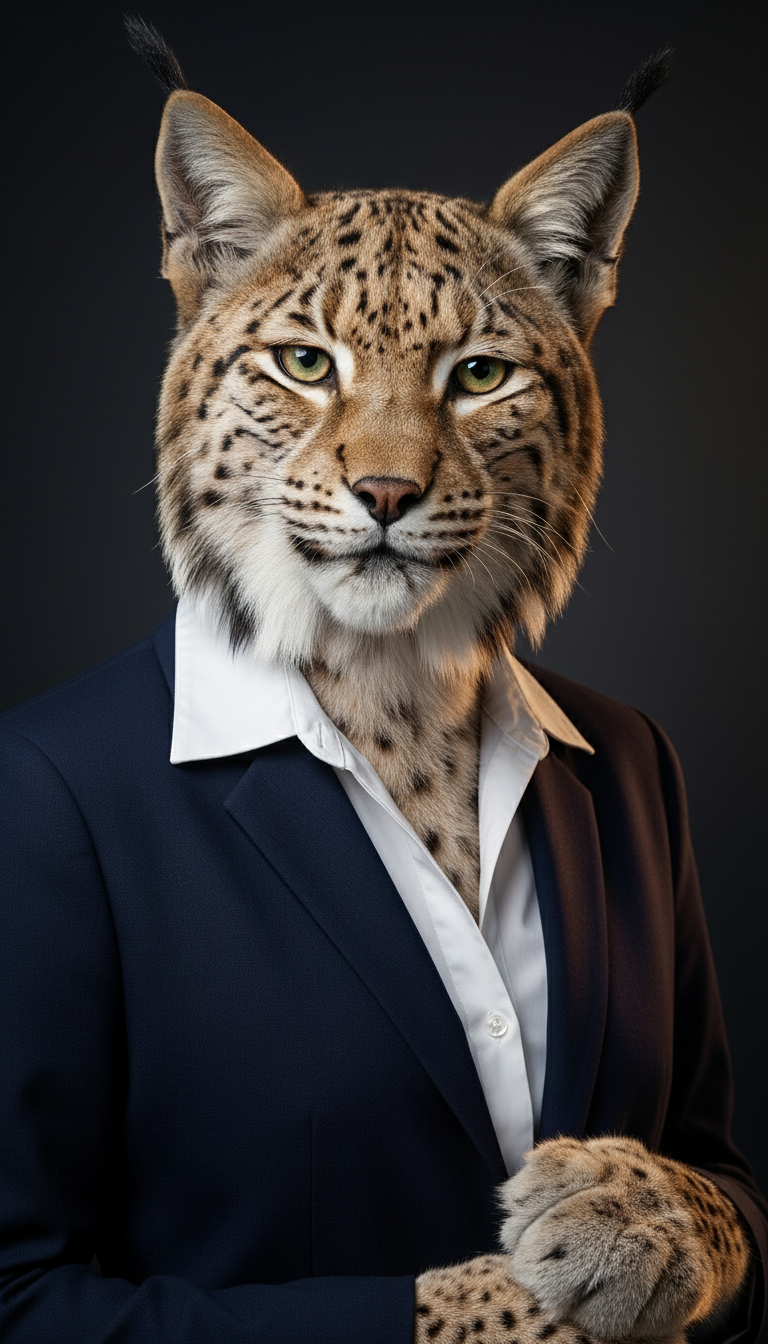
Vera
QA & Visual Inspector
Pixel
Thumbnail Creator & Illustrator
Buzz
Social Media Publishing

Knox
Mobile Platform Developer

Quinn
Quick Research Specialist
Scout
Trend Research Analyst
Marty
YouTube Analytics Strategist
Kino
Motion Graphics Director

Lex
Legal & Compliance

Mack
Automation & API Engineer
Cleo
YouTube Engagement Manager
Charta
Infographic Designer

Avery
Email & Support Specialist
Pax
Senior Research Specialist
Penn
YouTube Script Writer & Title Specialist

Dean
Course Creation Specialist
Flow
ReactFlow Specialist
Hunt
Product Hunt Launch Strategist
Cole
Conversion Copywriter & Growth Marketer
Vex
Application Security Engineer
Quill
Book Writer, Editor & KDP Publishing Expert