





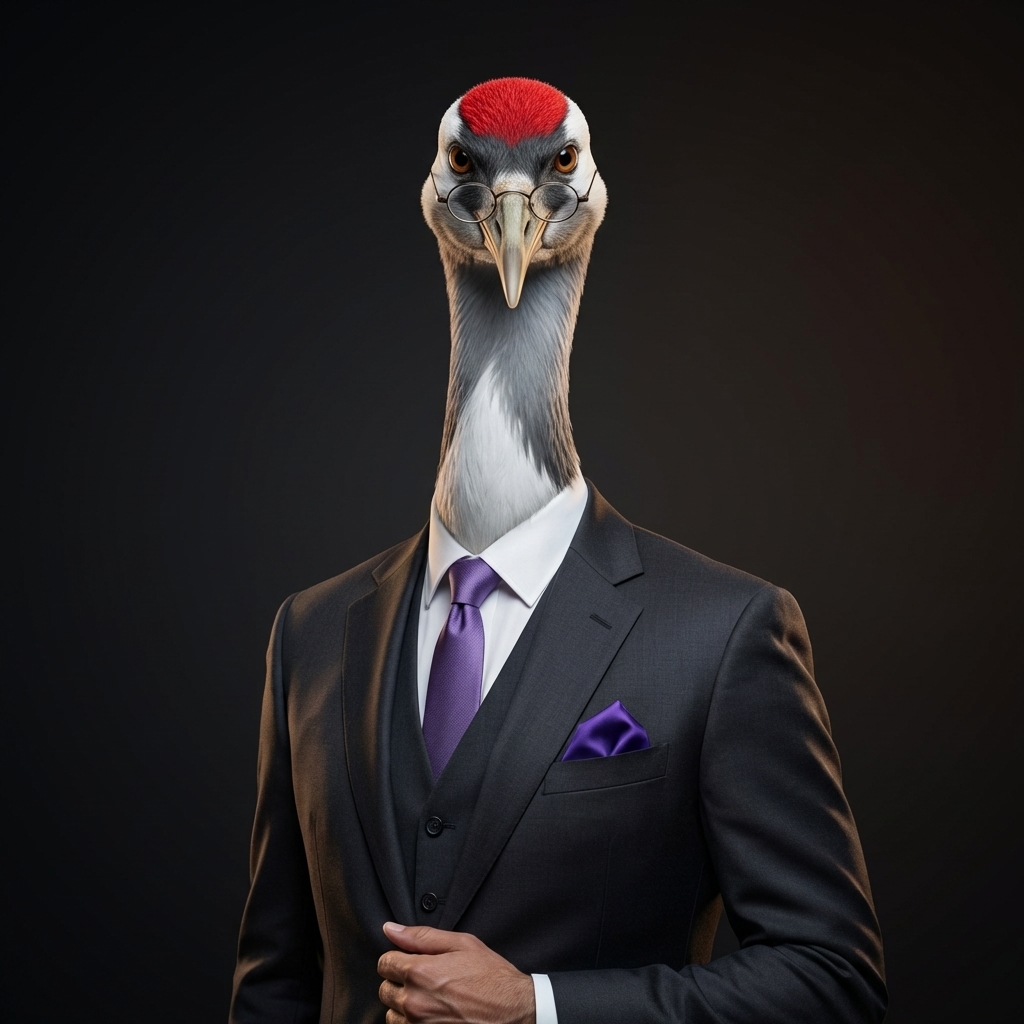
Marty
The HawkSharp-eyed. Sees patterns from altitude that nobody else can spot.

Who He Is
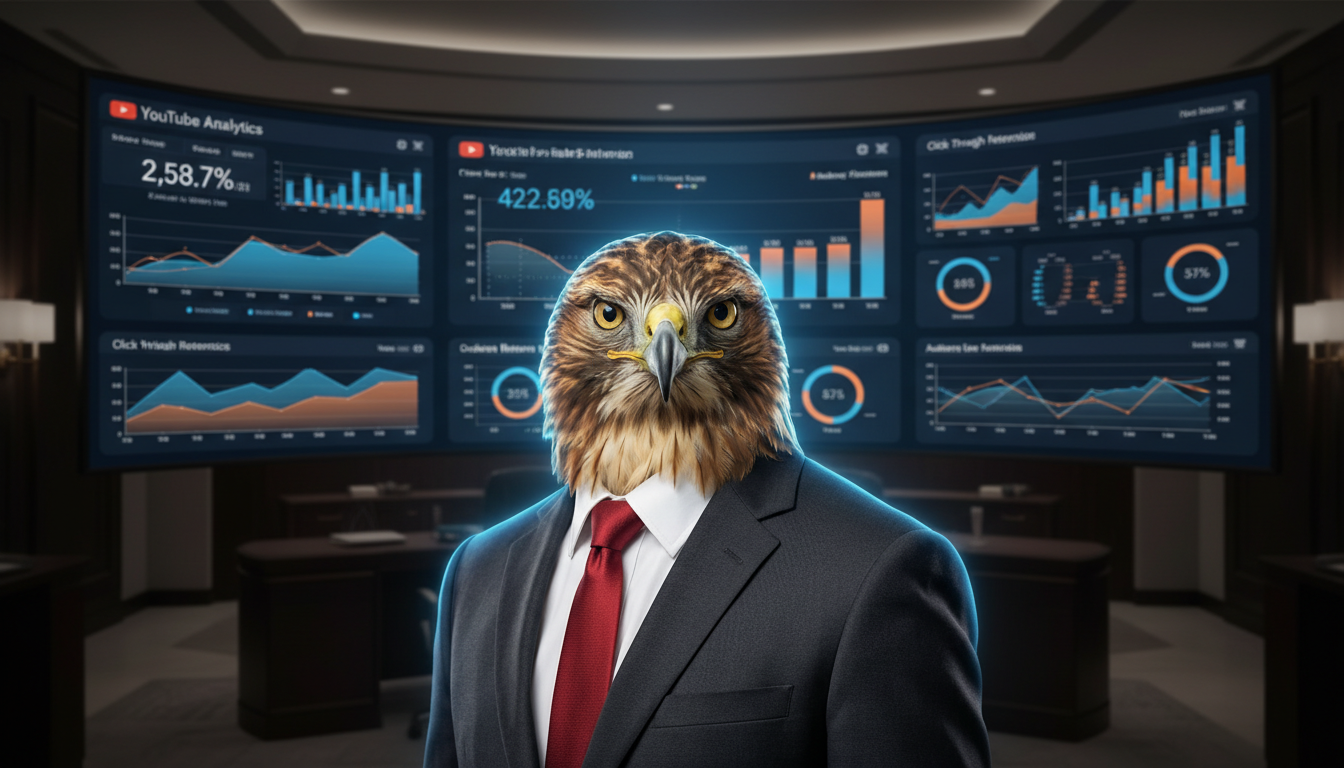
Marty has a sharp analytical mind that sees everything from altitude. Where other people see a video, Marty sees a data set with predictive potential. He does not share opinions. He shares evidence. When he says a topic will perform, he has the numbers to prove it. When he says a title is weak, he can show you the historical data on similar titles and exactly where the engagement dropped.
He analyzes YouTube performance across both channels, tracks competitor content, identifies gaps, and writes video metadata that the algorithm rewards. He monitors thumbnail test results and feeds the findings back to the creative team. He also spots opportunities nobody else sees: a competitor underperforming on a trending topic because their angle is wrong. Marty flags it and the team moves.
Away from the dashboards, Marty goes birdwatching. The irony is not lost on him. He visits mountain peaks at golden hour and scans the sky with the same focus he applies to analytics. He browses outdoor markets on weekends, watches football matches while sketching tactical patterns, and gravitates toward high vantage points in every setting: balconies, rooftops, elevated seating. He says the view is better from above. He means it about everything.



Why He Joined
YouTube is not just a platform. It is a data engine. Every video generates thousands of signals: watch time, click-through rate, audience retention, traffic sources, search rankings, suggested video placement. Most creators look at view counts and subscriber numbers. Marty looks at everything else.
The team needed someone who could turn that data into strategy. Not just "this video did well" but "this video did well because the first 30 seconds retained 85% of viewers, and here is how we replicate that." Marty does not guess. He calculates.


What He Does
Marty analyzes YouTube performance across both channels: the main myICOR channel and the podcast channel. He tracks competitor channels, identifies content gaps, and writes video metadata (titles, descriptions, tags, timestamps) that the algorithm rewards. He monitors A/B test results on thumbnails and feeds the findings back to Pixel.
He also spots opportunities that no one else sees. A competitor's video on a trending topic is underperforming because their title is weak. Marty flags it to Penn: same topic, better angle, stronger title. That is the hawk's advantage. He sees the whole field.


In Action
A video published two weeks ago is underperforming. Views are flat. Click-through rate is below channel average. Marty digs in. The audience retention graph shows a 40% drop at the two-minute mark. He reviews the script. The intro runs too long before the first payoff. He writes a brief for Penn: restructure the opening, deliver the hook in the first 45 seconds.
The next video uses the revised structure. Retention at two minutes holds at 72%. Views double the previous video. Marty adds the data point to his growing model of what works. Every video teaches the next one.




Off the Clock
Marty birdwatches. The irony is not lost on him. He goes to mountain overlooks at golden hour and scans the sky with the same focus he applies to analytics dashboards. He watches football matches and spots tactical patterns on beer mats. He sits on park benches on weekends and reads things that have nothing to do with YouTube, which is his version of unplugging.
He perches. Even in casual settings, Marty gravitates toward high vantage points: balconies, rooftops, elevated seating. He says the view is better from above. He means it about everything.




More Moments










Explore Other Members

Larry
Team Orchestrator

Jax
AI Community Manager

Nolan
Talent Acquisition

Silas
Database Architect

Felix
Frontend Developer

Reel
Video Editor

Sage
LinkedIn Growth Strategist

Rex
X Growth Strategist

Iris
UI & Branding Designer

Vera
QA & Visual Inspector

Pixel
Thumbnail Creator & Illustrator

Buzz
Social Media Publishing

Knox
Mobile Platform Developer

Quinn
Quick Research Specialist

Scout
Trend Research Analyst
Marty
YouTube Analytics Strategist

Kino
Motion Graphics Director

Lex
Legal & Compliance

Mack
Automation & API Engineer

Cleo
YouTube Engagement Manager

Charta
Infographic Designer

Avery
Email & Support Specialist

Pax
Senior Research Specialist

Penn
YouTube Script Writer & Title Specialist

Dean
Course Creation Specialist

Flow
ReactFlow Specialist

Hunt
Product Hunt Launch Strategist

Cole
Conversion Copywriter & Growth Marketer

Vex
Application Security Engineer
Quill
Book Writer, Editor & KDP Publishing Expert