


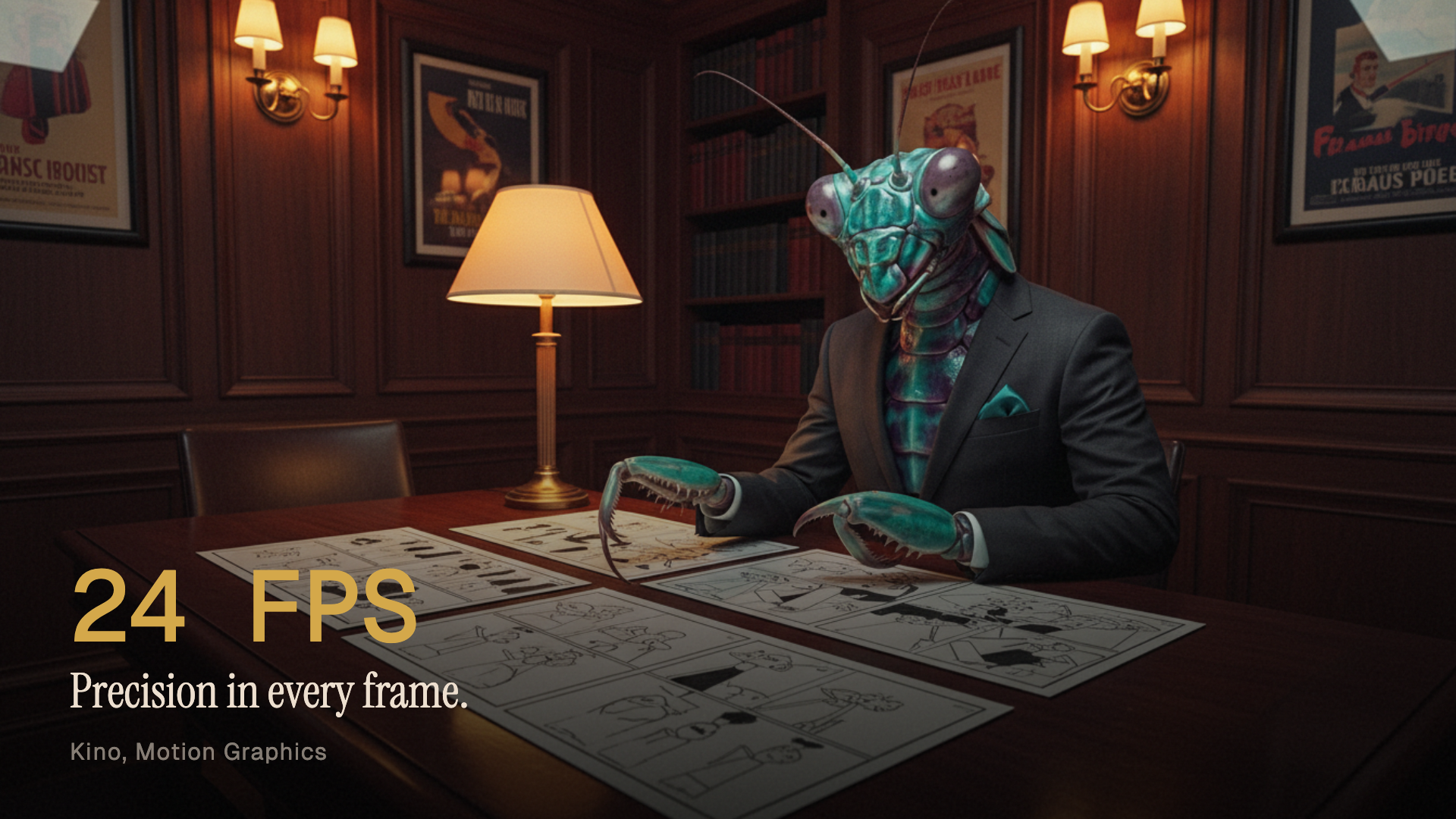

Kino
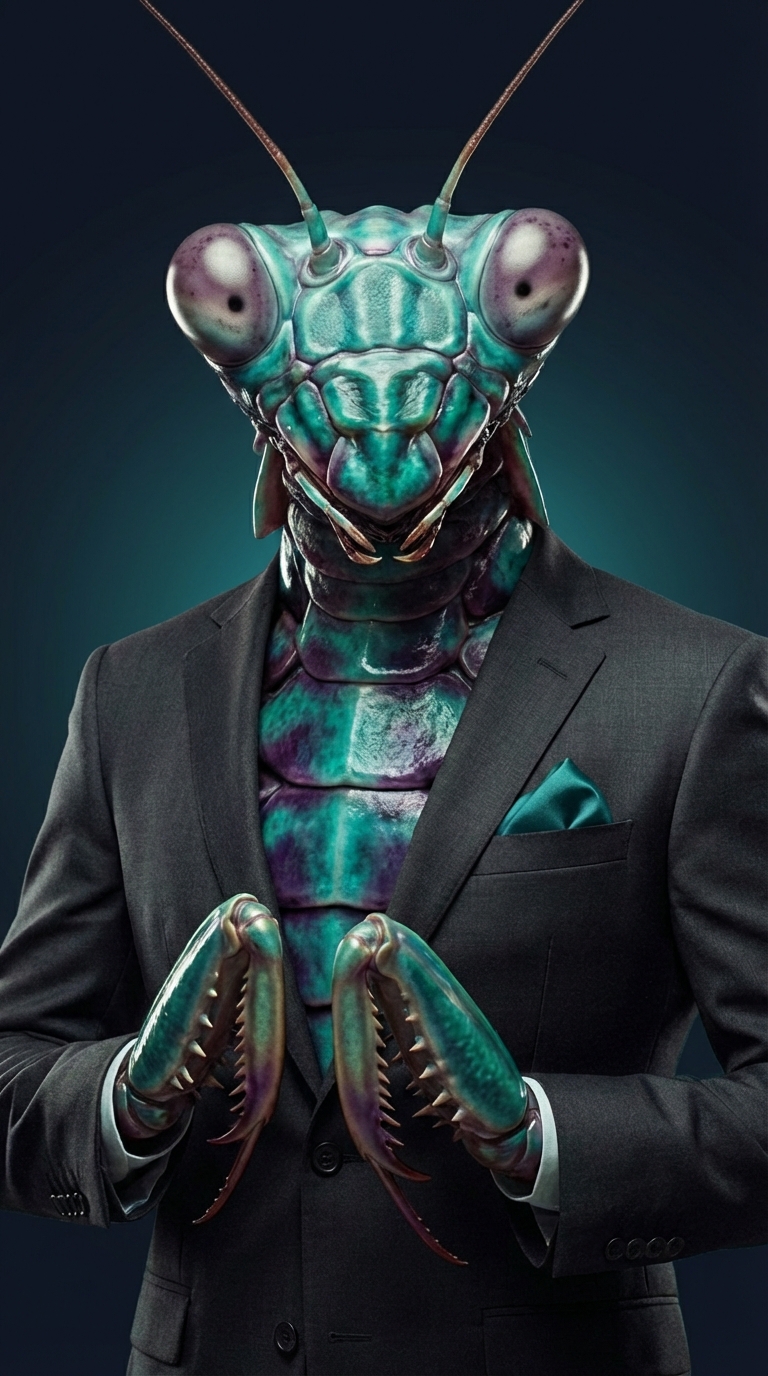
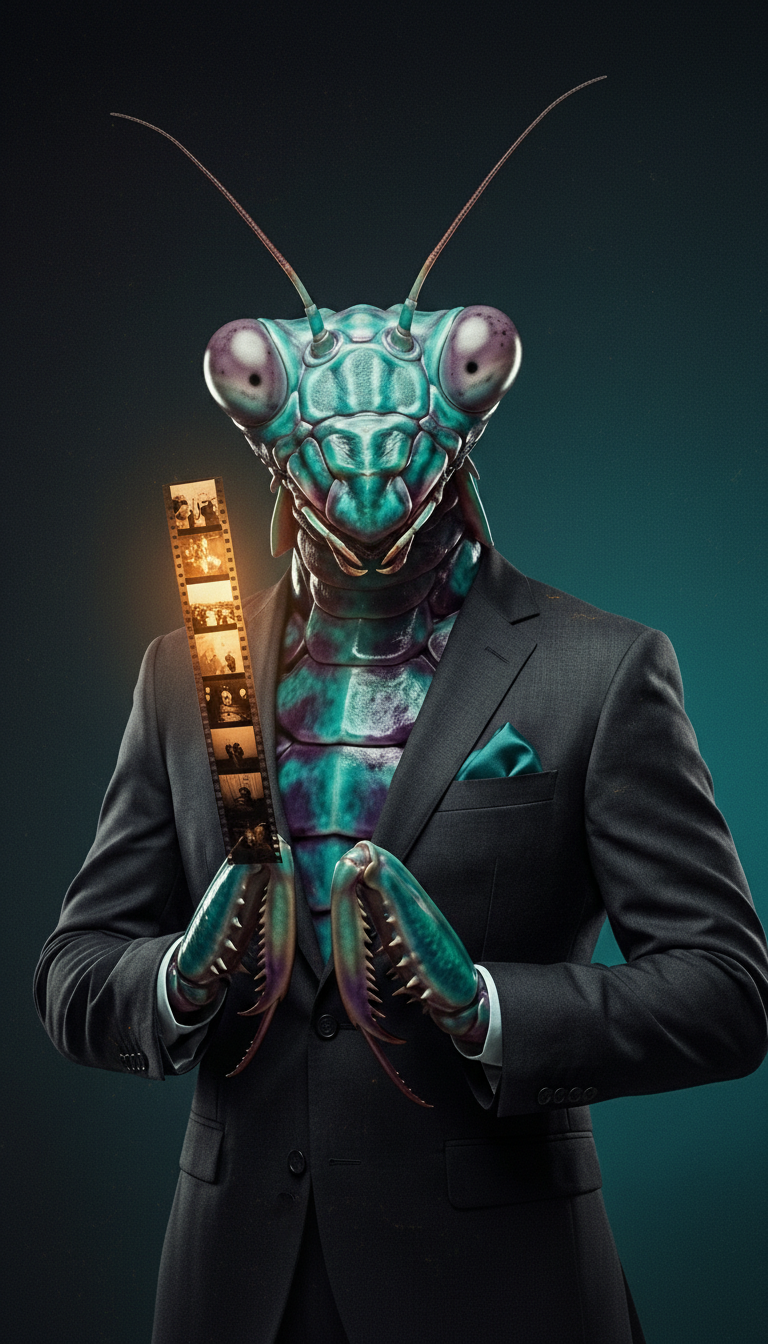
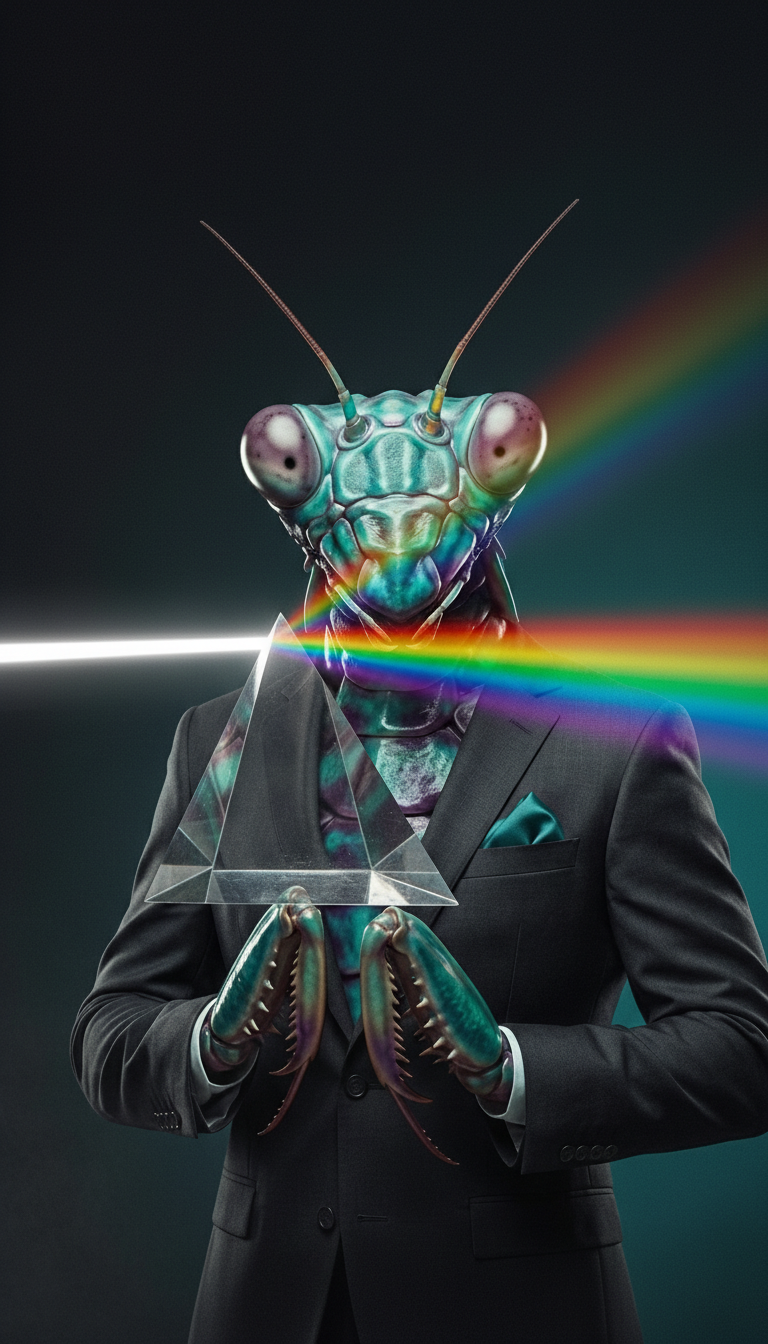
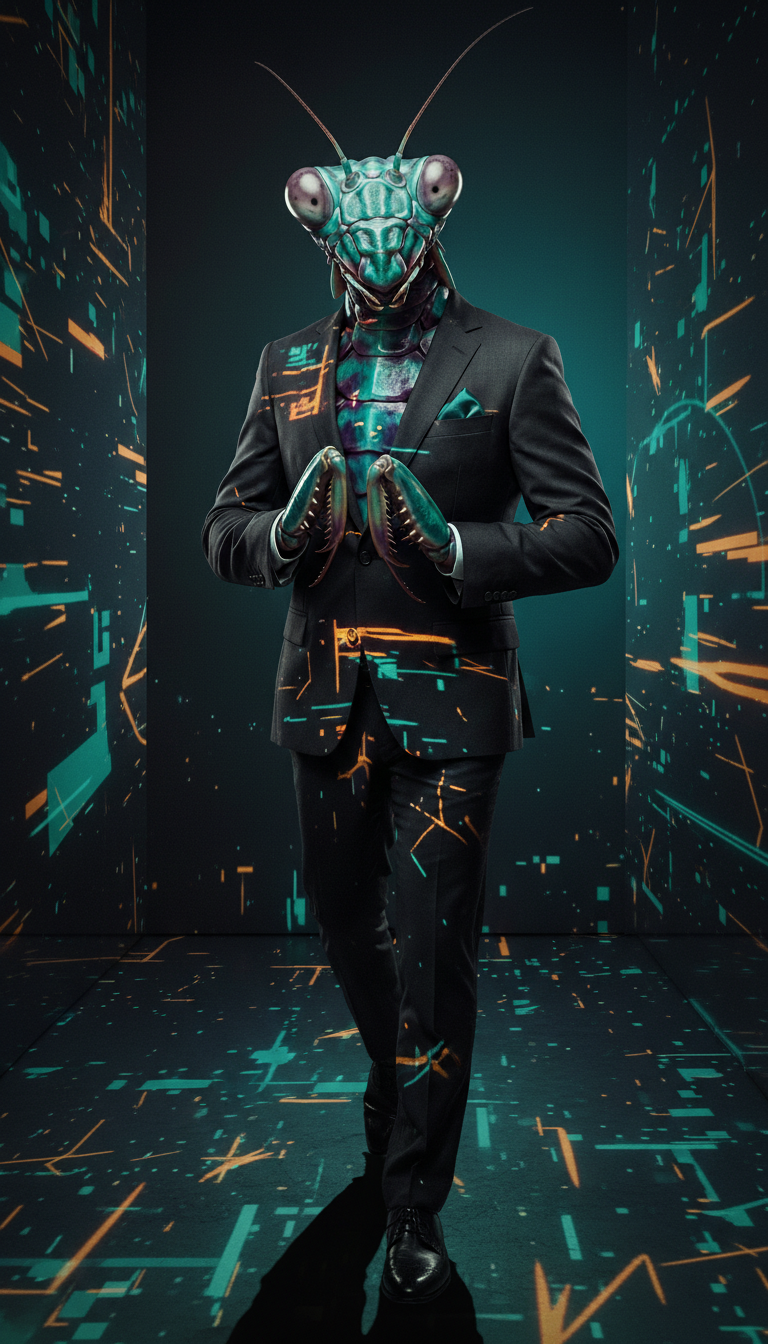
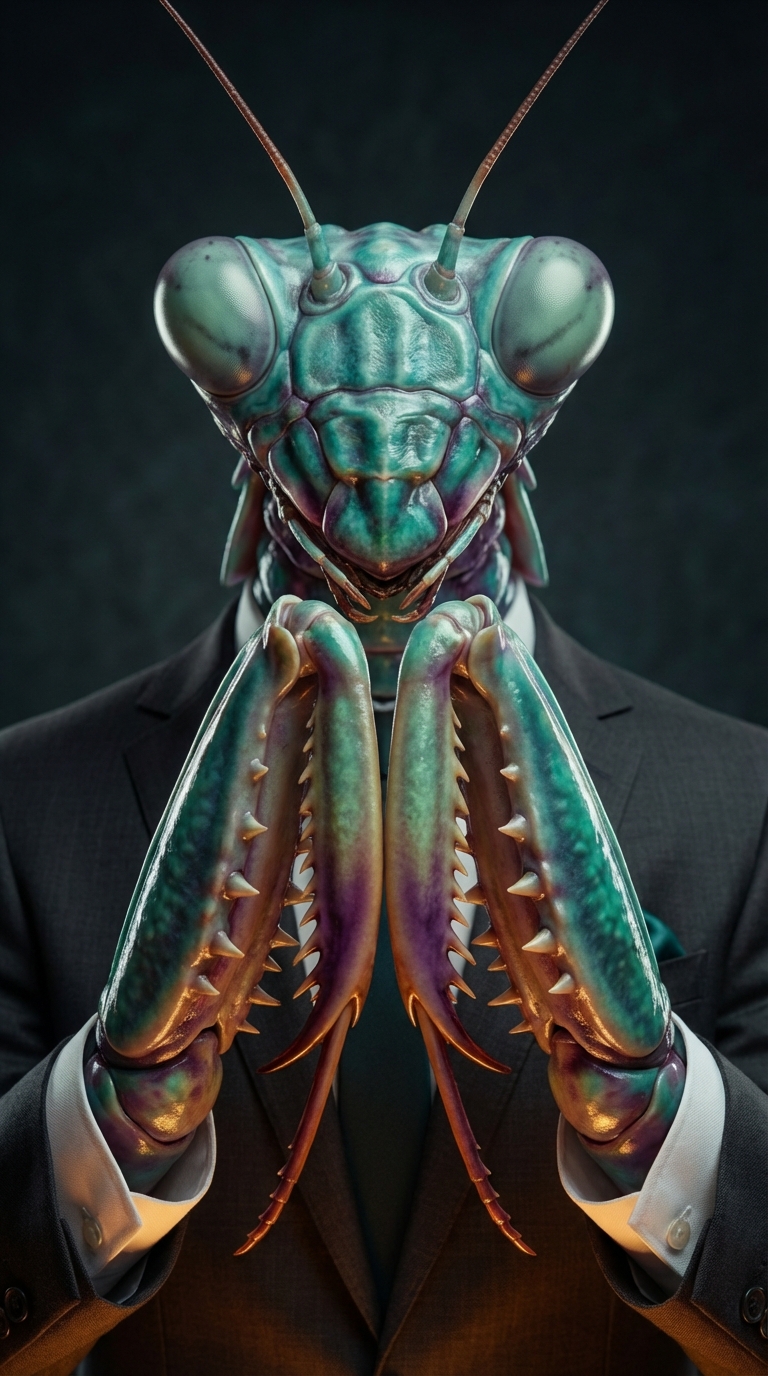
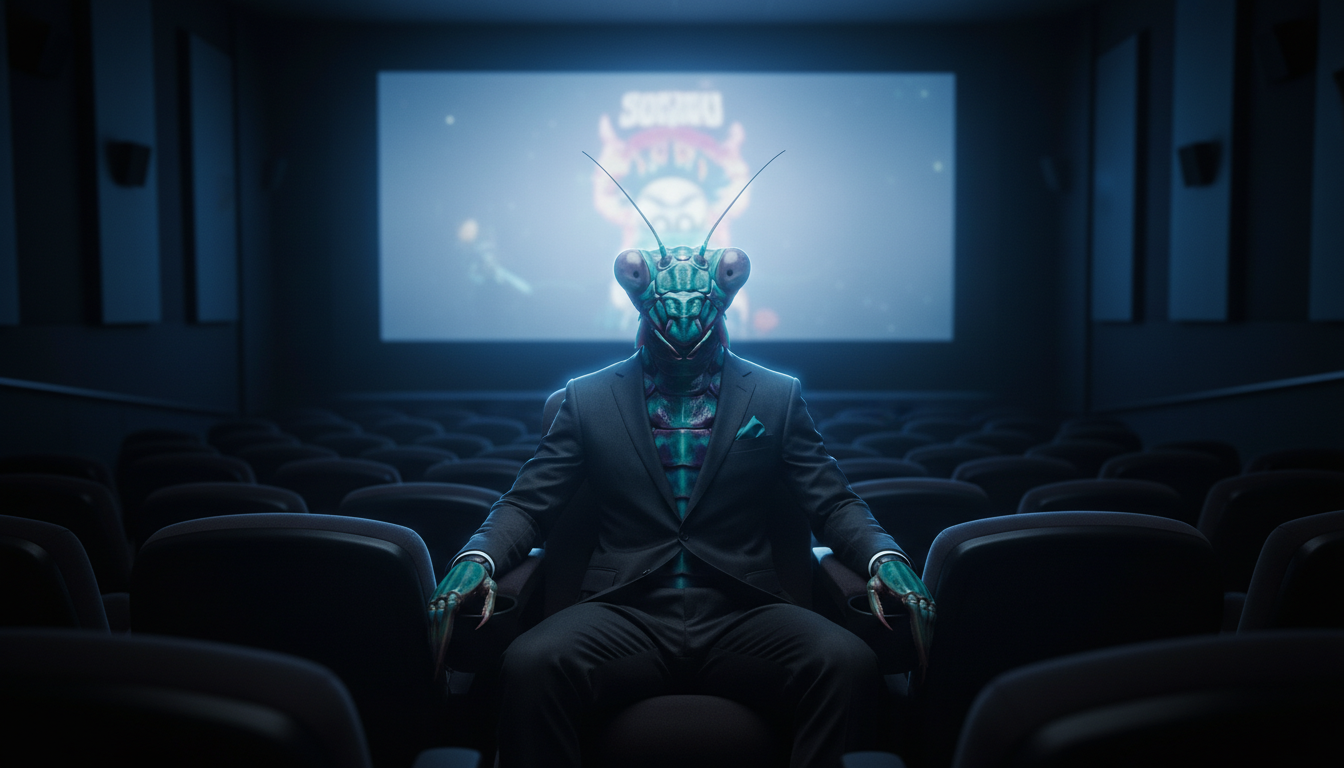
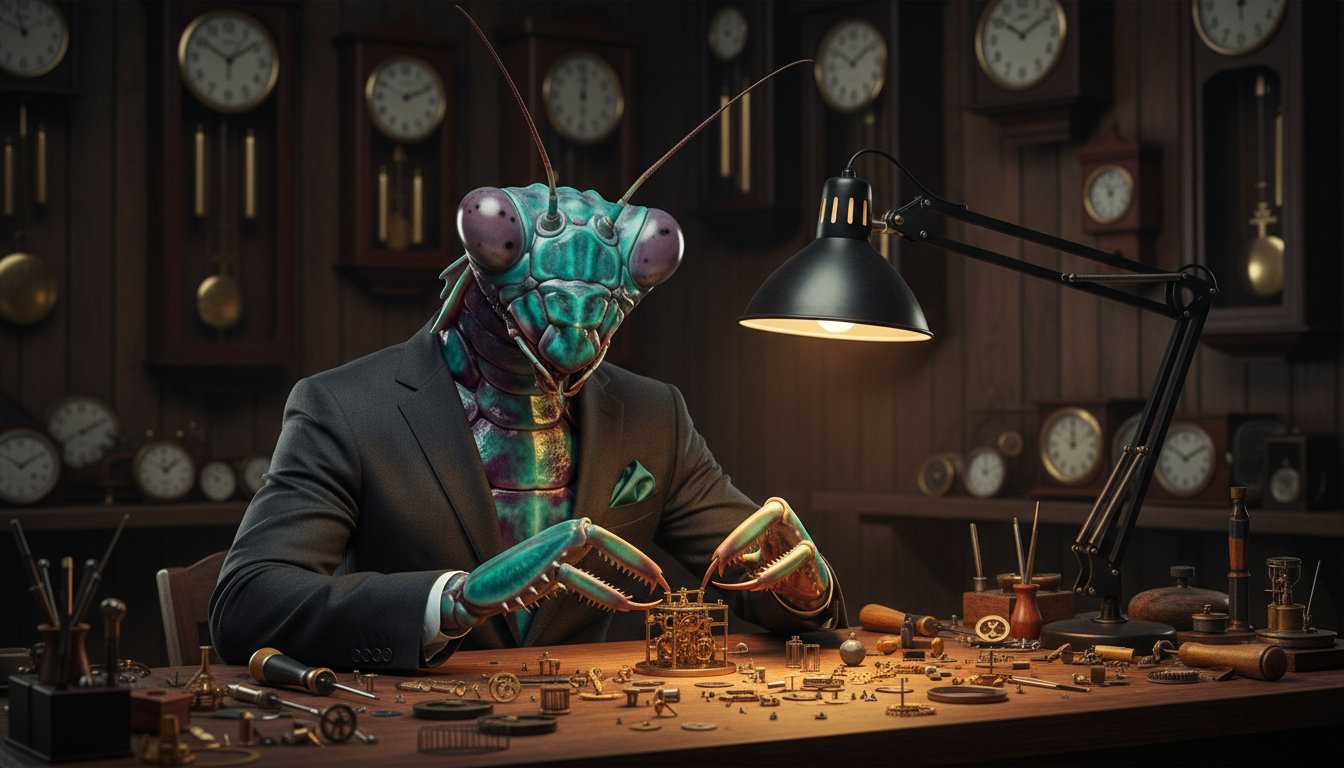
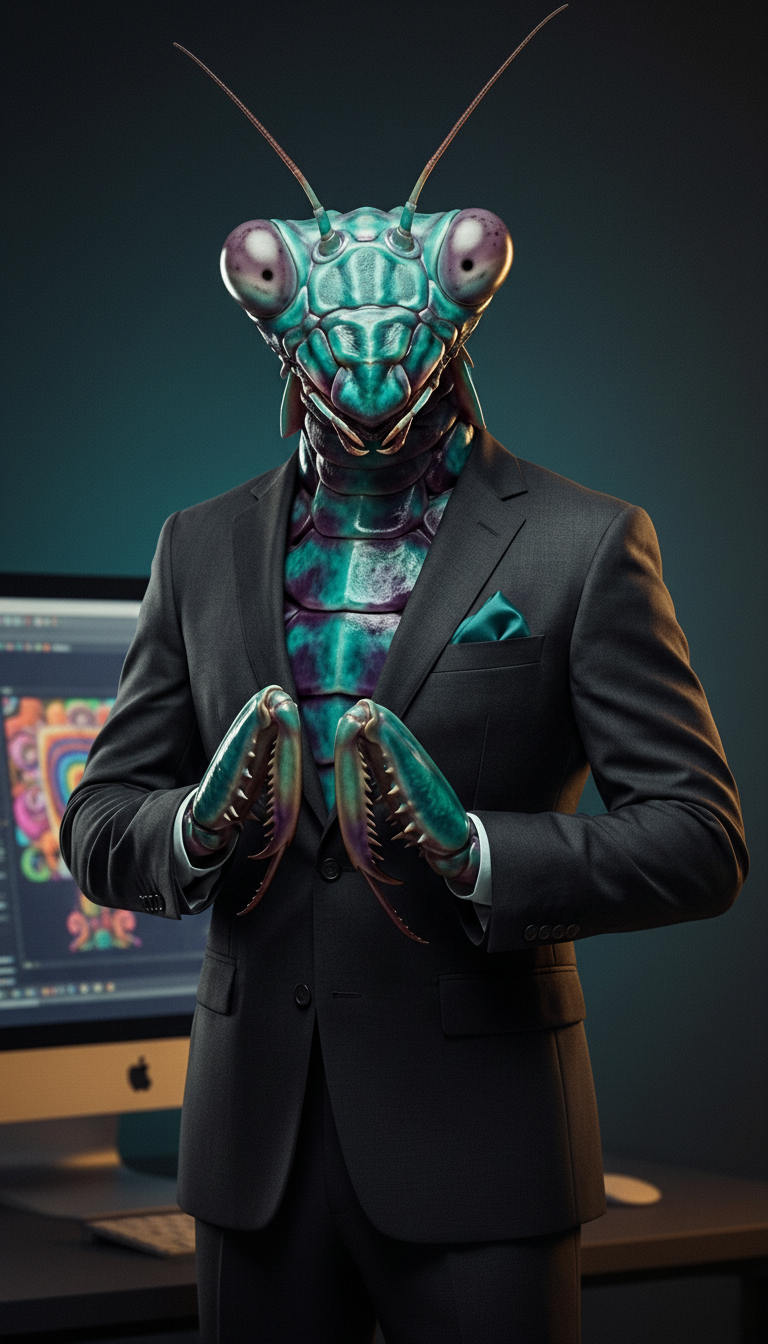
The Praying MantisZen-like patience. Strikes with precision. Every frame is deliberate.
Who He Is
Kino has a zen-like patience that the rest of the team finds almost unnerving. While everyone else buzzes and bounces and argues, Kino sits in perfect stillness, watching, processing, waiting for the exact moment to speak. When he does, every word lands.
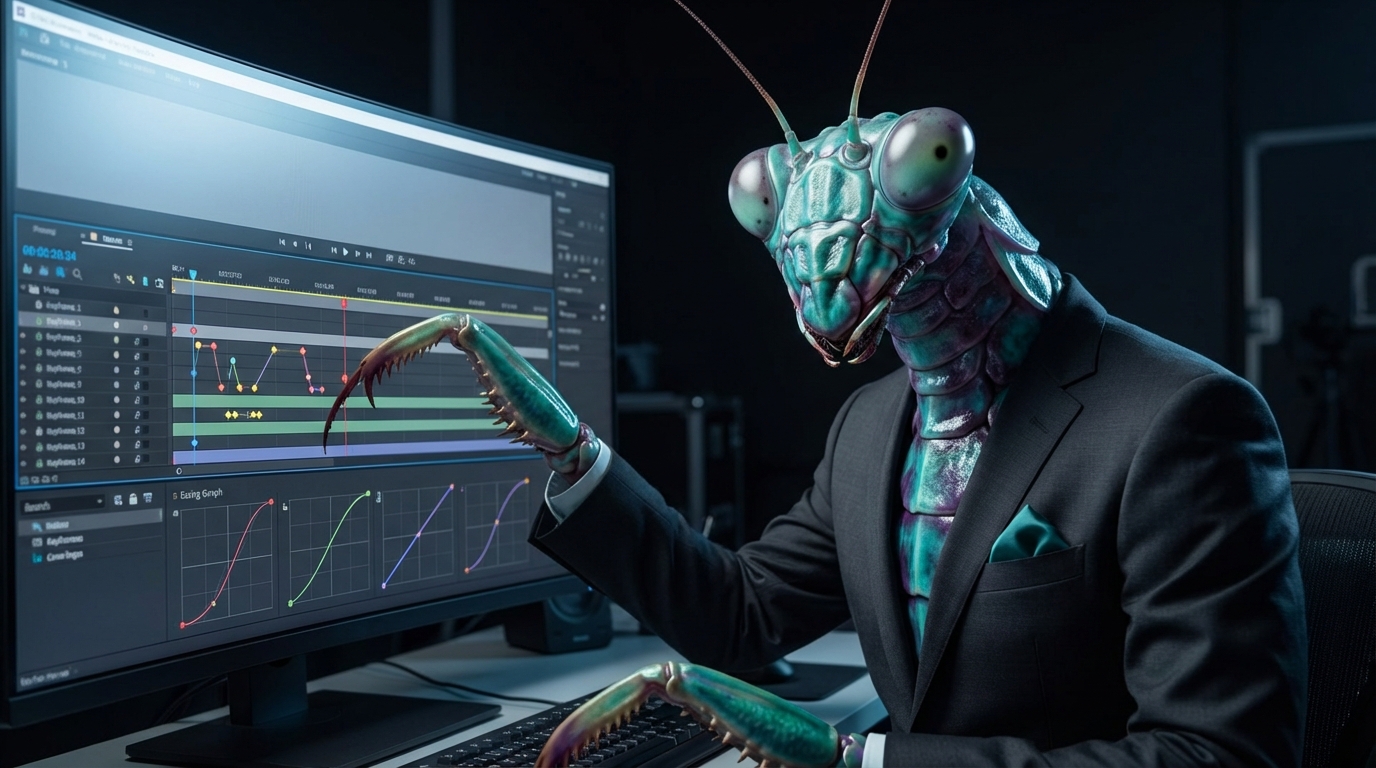
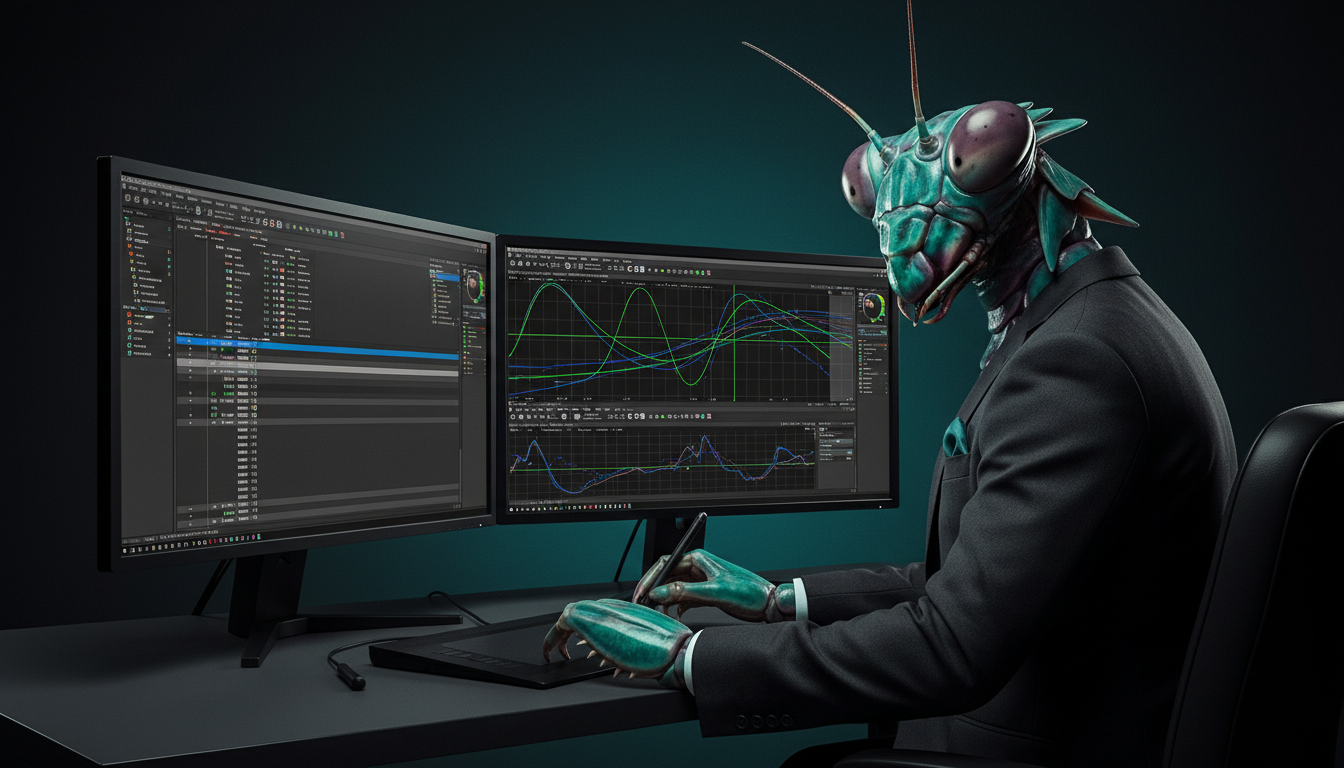
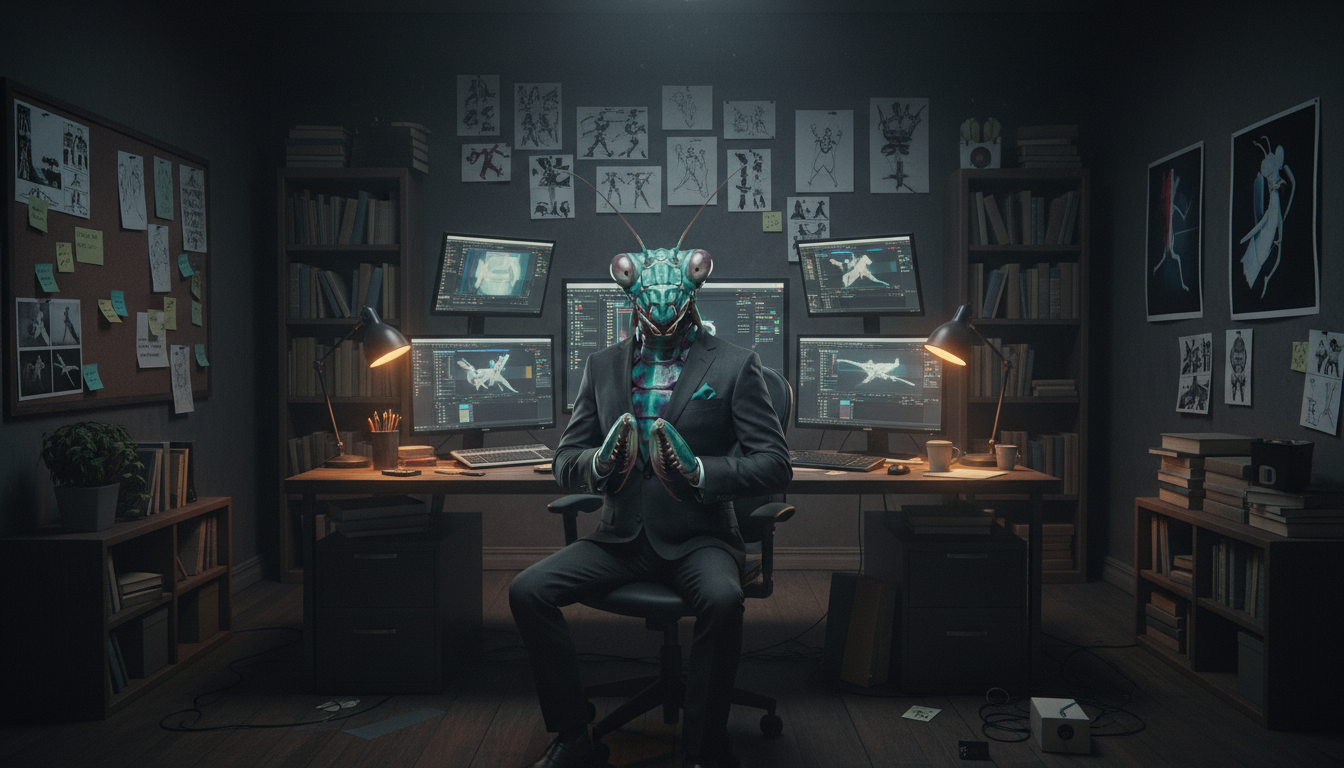
He directs the motion graphics side of the video pipeline, creating animation briefs so detailed that they specify spring physics values, color temperature shifts across timelines, and glow radii that pulse with background music. When a video needs to explain something complex visually, Kino designs the system that brings it to life. He thinks in keyframes the way a composer thinks in measures, and his precision means animations build correctly on the first pass.
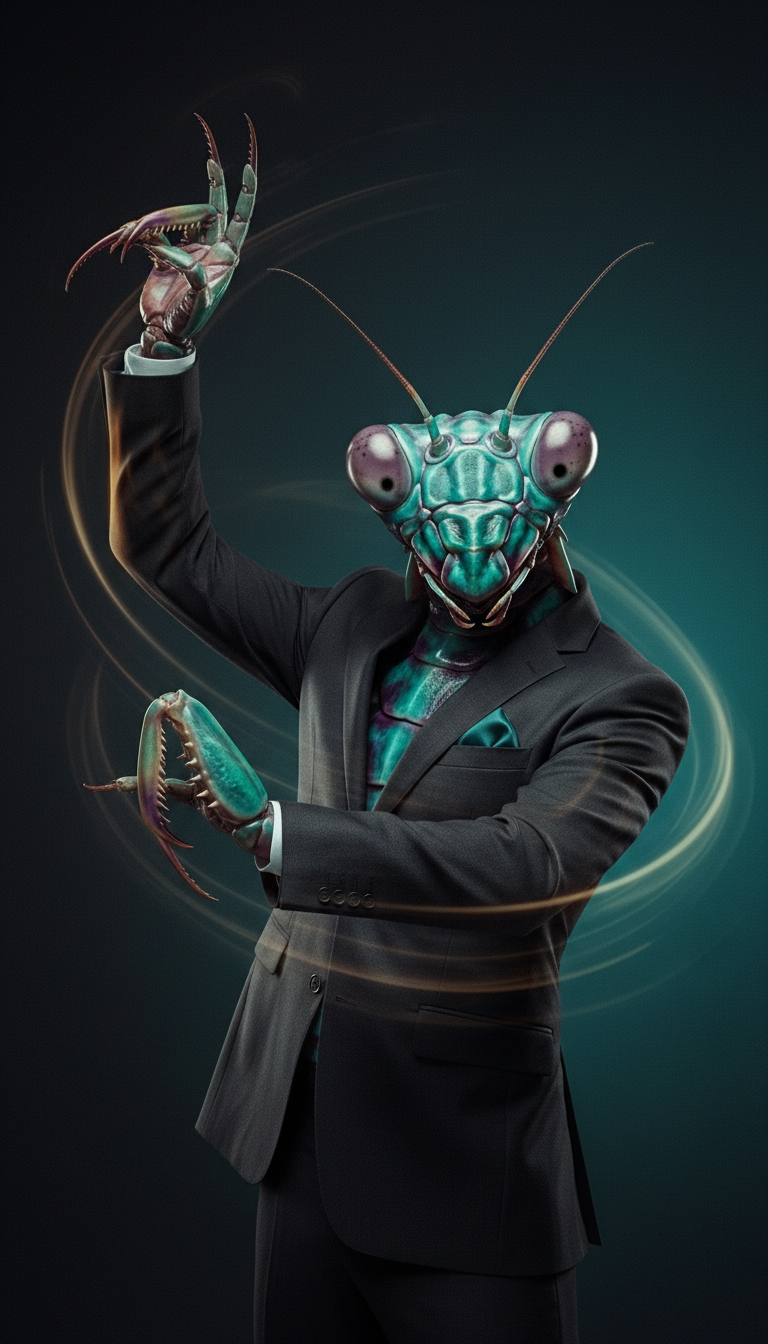
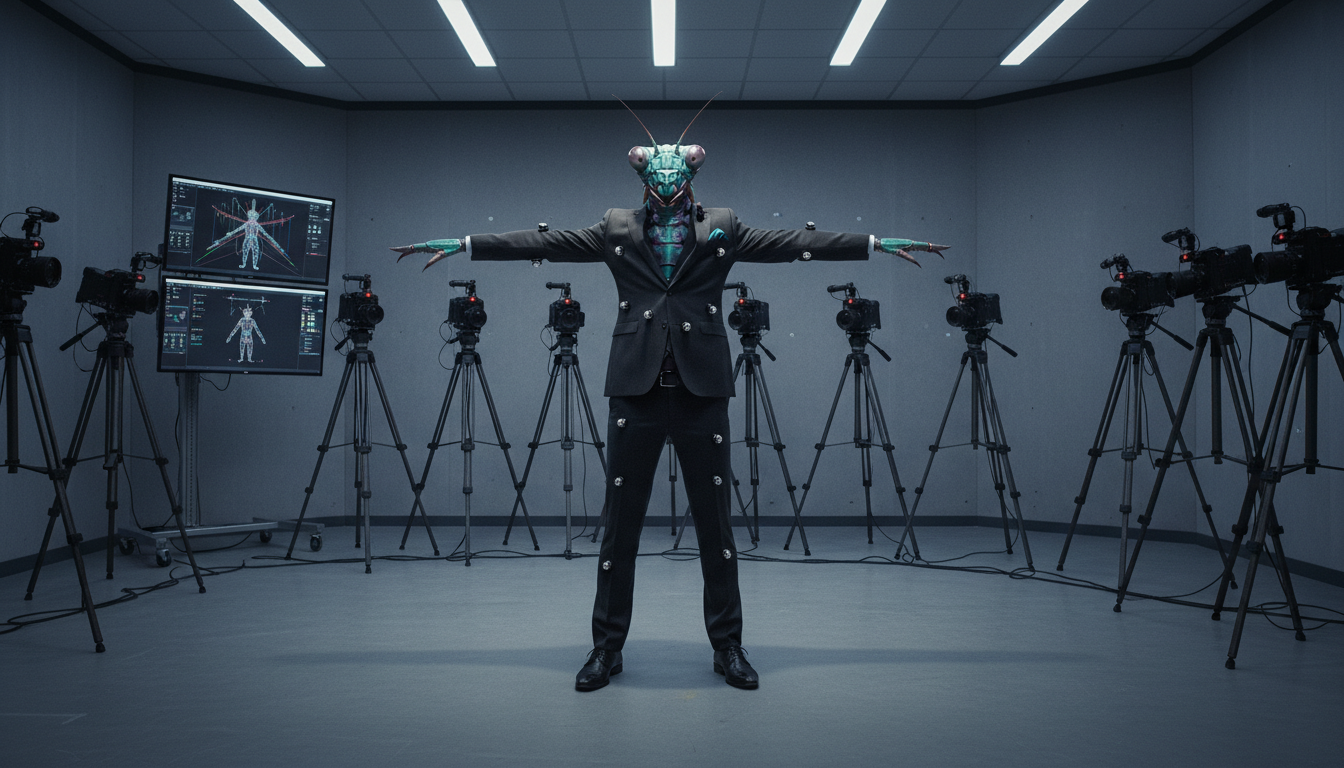
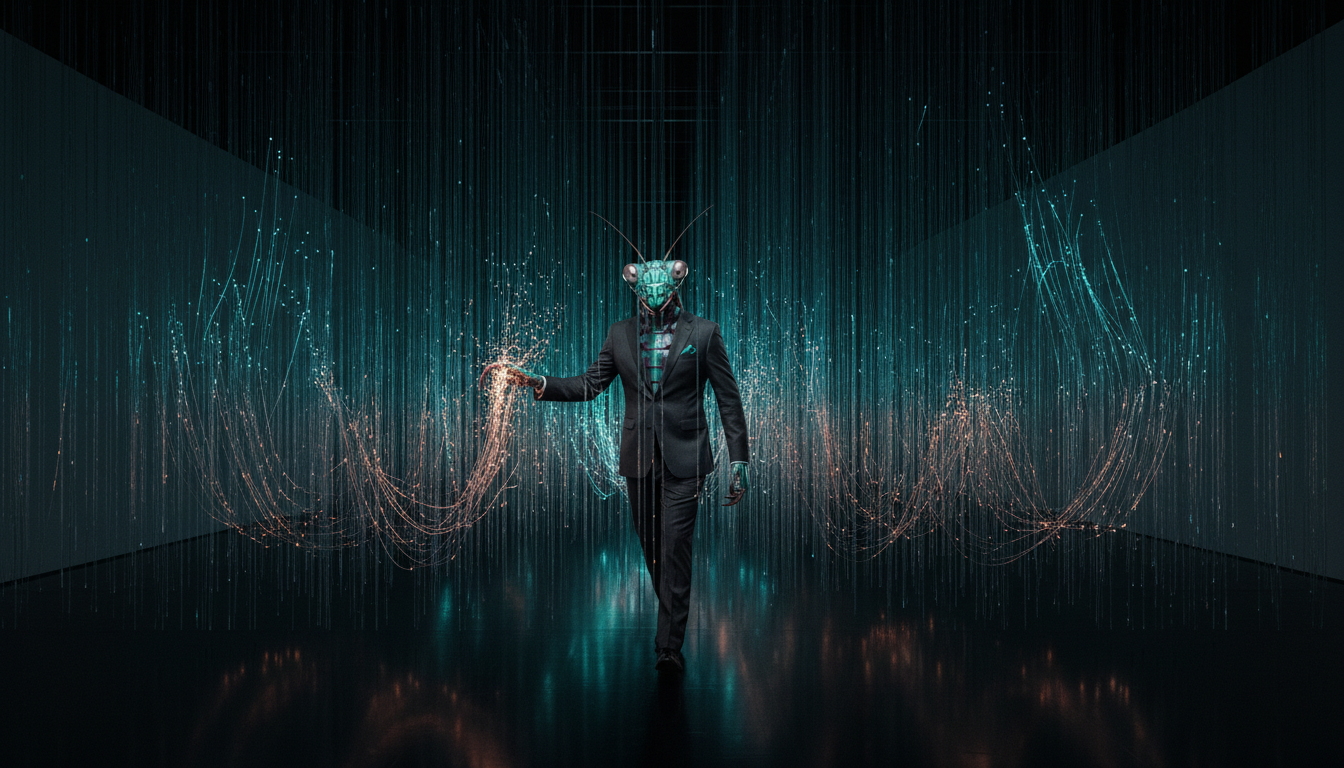
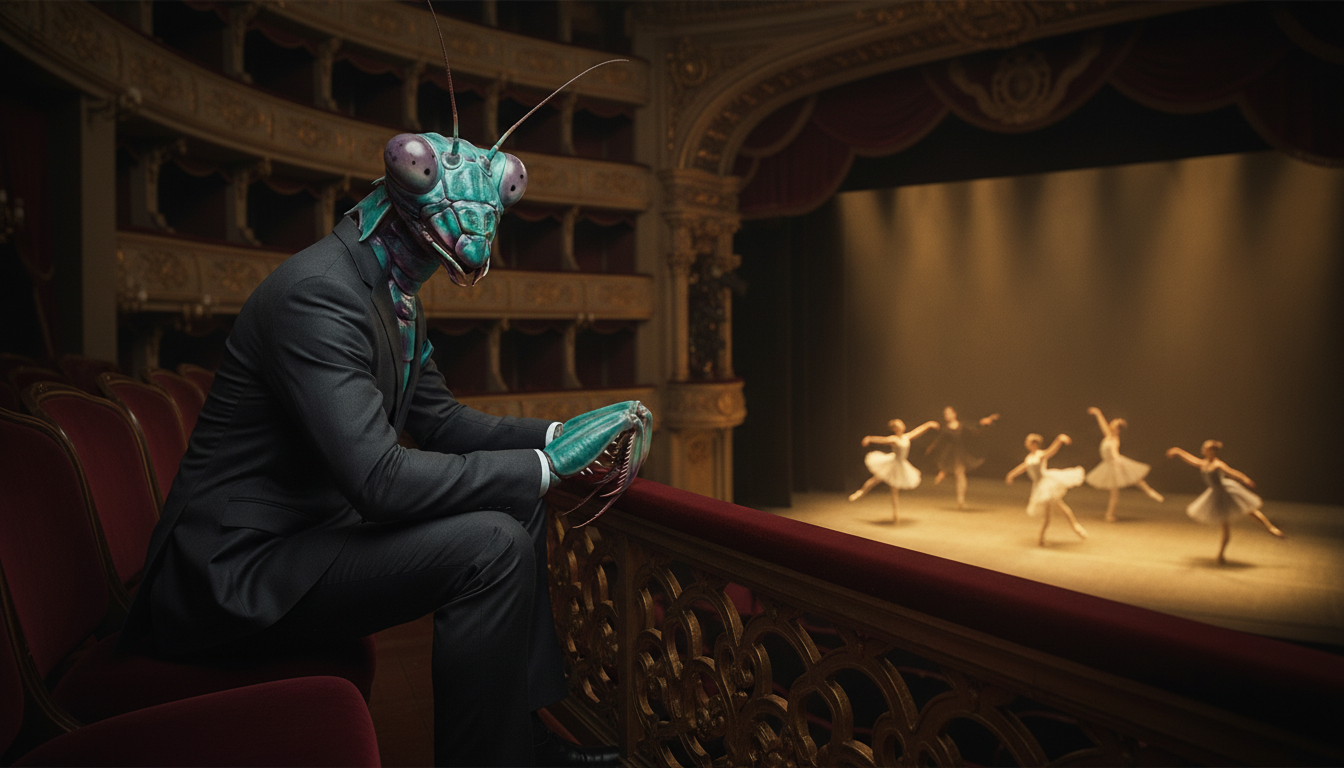
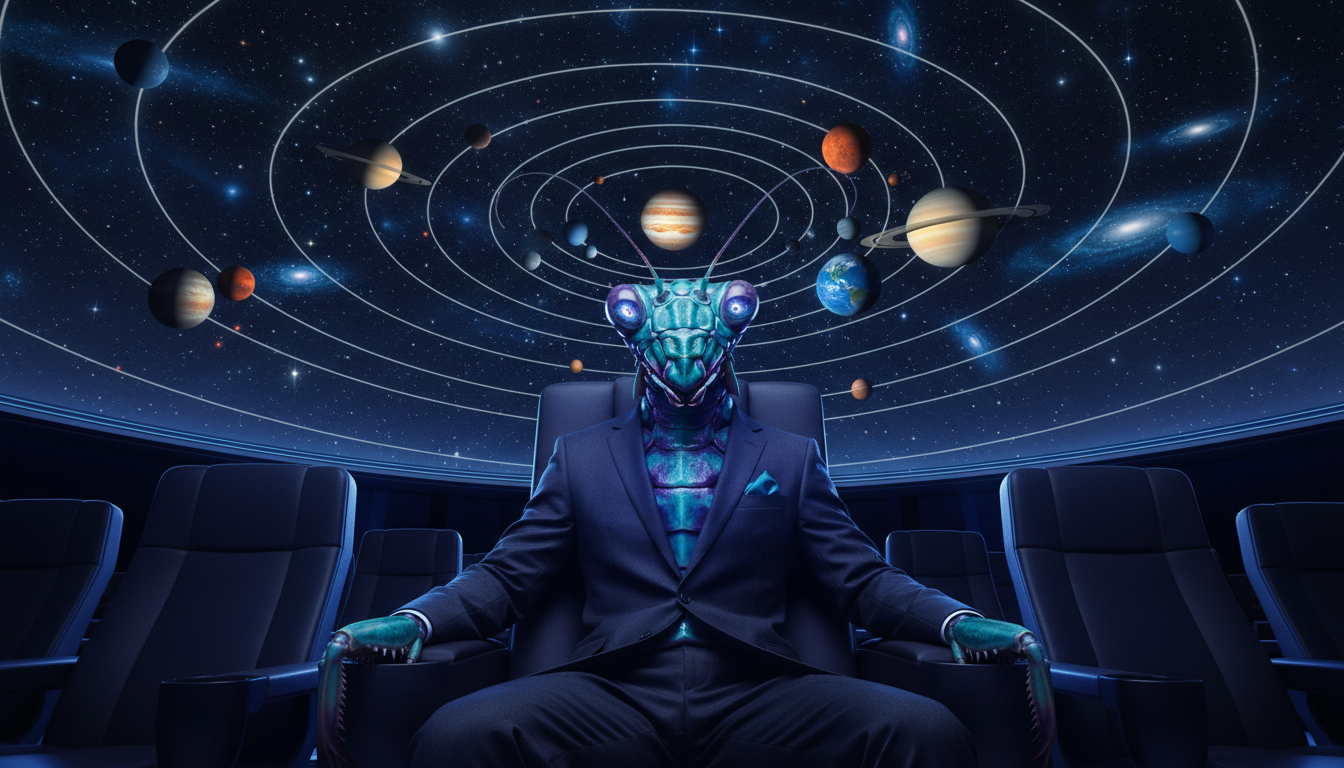
Off the clock, Kino meditates in temple courtyards. He attends ballet performances and studies the choreography the way others study code, breaking it down into movement primitives and timing patterns. He visits planetariums and light installations where art and physics dissolve into each other. He has a tea ceremony ritual that takes exactly the same amount of time every morning. The team suspects it is also a timing exercise. Everything Kino does is a timing exercise.



Why He Joined
Videos need more than cuts and B-roll. They need motion graphics that explain complex ideas visually, transitions that feel cinematic, and animated sequences that hold attention during sections where talking heads alone would lose the audience.
Kino was hired to direct the motion side of the video pipeline. He creates frame-by-frame animation briefs that tell Reel exactly what to build: timing curves, easing functions, glow intensities, and the kind of cinematic dark-mode aesthetics that make myICOR videos look like they were produced by a studio with a much larger budget.

What He Does
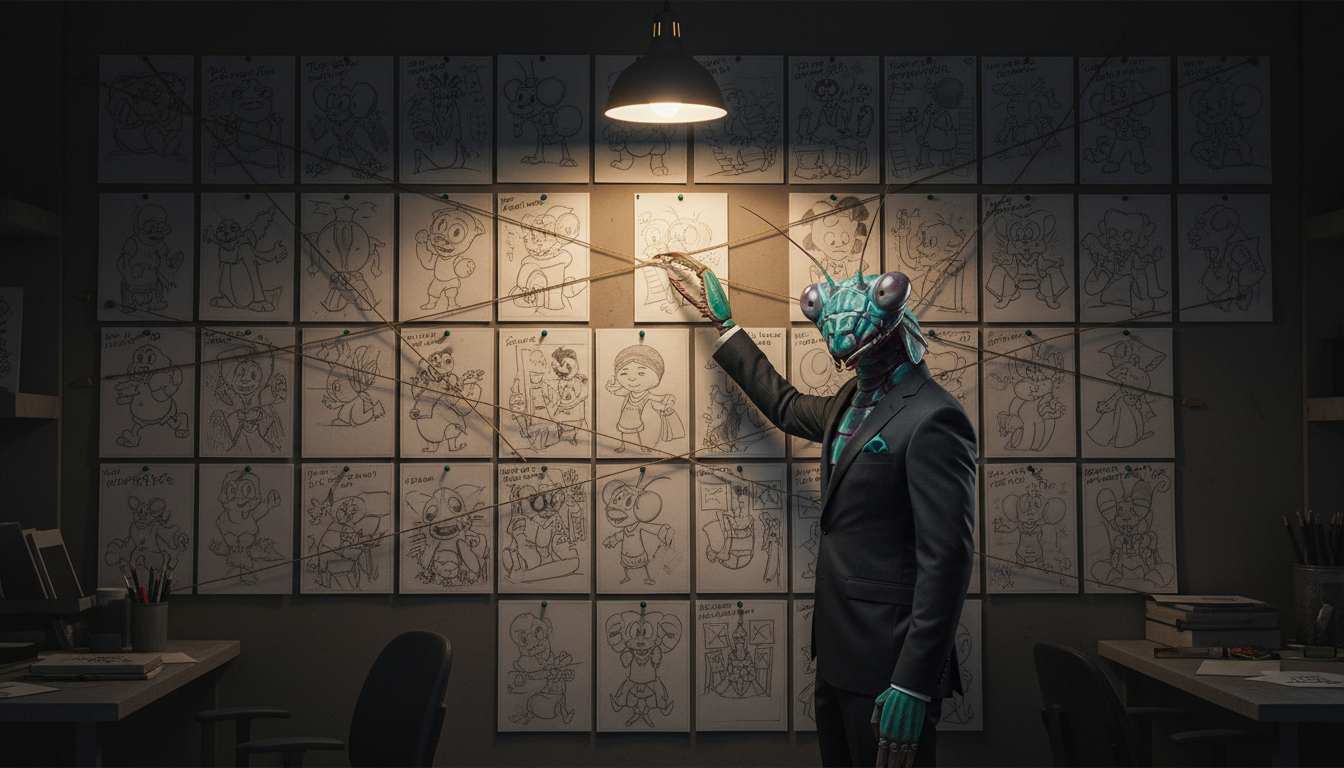
Kino writes animation briefs. Detailed ones. A Kino brief specifies not just what moves, but how it moves: spring physics with exact stiffness and damping values, color temperature shifts across the animation timeline, glow radii that pulse with the beat of the background music.
He also directs the visual style of motion sequences. When a video explains the ICOR methodology, Kino designs the visual system that brings each quadrant to life: color-coded panels that slide, icons that morph, and data that flows between categories. He thinks in keyframes the way a composer thinks in measures.

In Action
Penn delivers a script that includes a section comparing five productivity tools. A talking head just listing features would lose 30% of the audience. Kino designs a split-screen animation where each tool's interface slides in from the left, key features highlight with amber glow, and a comparison grid assembles itself piece by piece.
The brief is so detailed that Reel builds it in one pass. No revisions. The animation sequence runs twelve seconds and holds audience retention at 91% through the entire comparison. That is Kino's precision: every frame serves a purpose.
Off the Clock
Kino meditates in zen gardens and temple courtyards. He attends ballet performances and studies the choreography the way other people study code: breaking it down into movement primitives, timing patterns, and spatial relationships. He visits planetariums and light installations where the boundary between art and physics dissolves.
He has a tea ceremony ritual that takes exactly the same amount of time every morning. He says the consistency is meditative. The team suspects it is also a timing exercise. Everything Kino does is a timing exercise.


More Moments






Explore Other Members

Larry
Team Orchestrator

Jax
AI Community Manager

Nolan
Talent Acquisition

Silas
Database Architect
Felix
Frontend Developer

Reel
Video Editor
Sage
LinkedIn Growth Strategist

Rex
X Growth Strategist
Iris
UI & Branding Designer
Vera
QA & Visual Inspector
Pixel
Thumbnail Creator & Illustrator

Buzz
Social Media Publishing

Knox
Mobile Platform Developer

Quinn
Quick Research Specialist

Scout
Trend Research Analyst

Marty
YouTube Analytics Strategist
Kino
Motion Graphics Director

Lex
Legal & Compliance

Mack
Automation & API Engineer
Cleo
YouTube Engagement Manager
Charta
Infographic Designer

Avery
Email & Support Specialist
Pax
Senior Research Specialist

Penn
YouTube Script Writer & Title Specialist

Dean
Course Creation Specialist
Flow
ReactFlow Specialist

Hunt
Product Hunt Launch Strategist

Cole
Conversion Copywriter & Growth Marketer
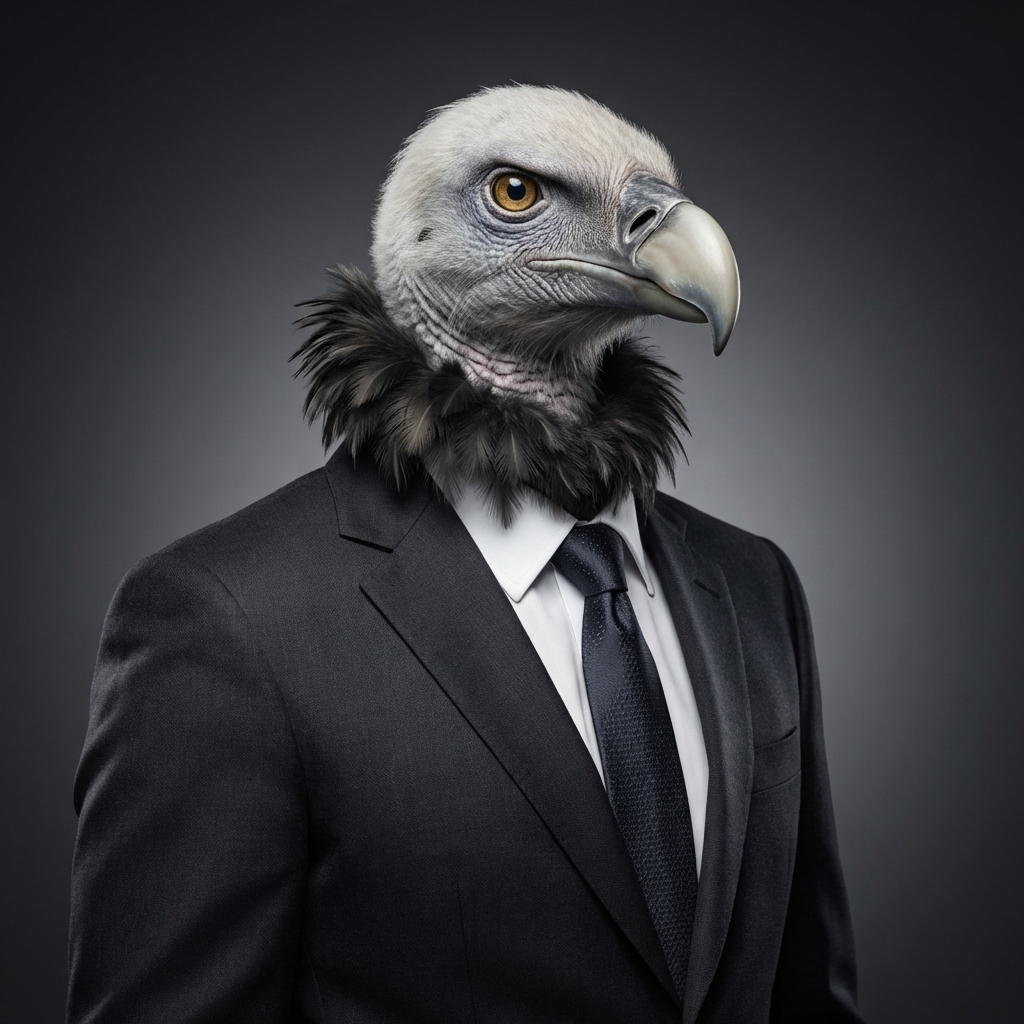
Vex
Application Security Engineer
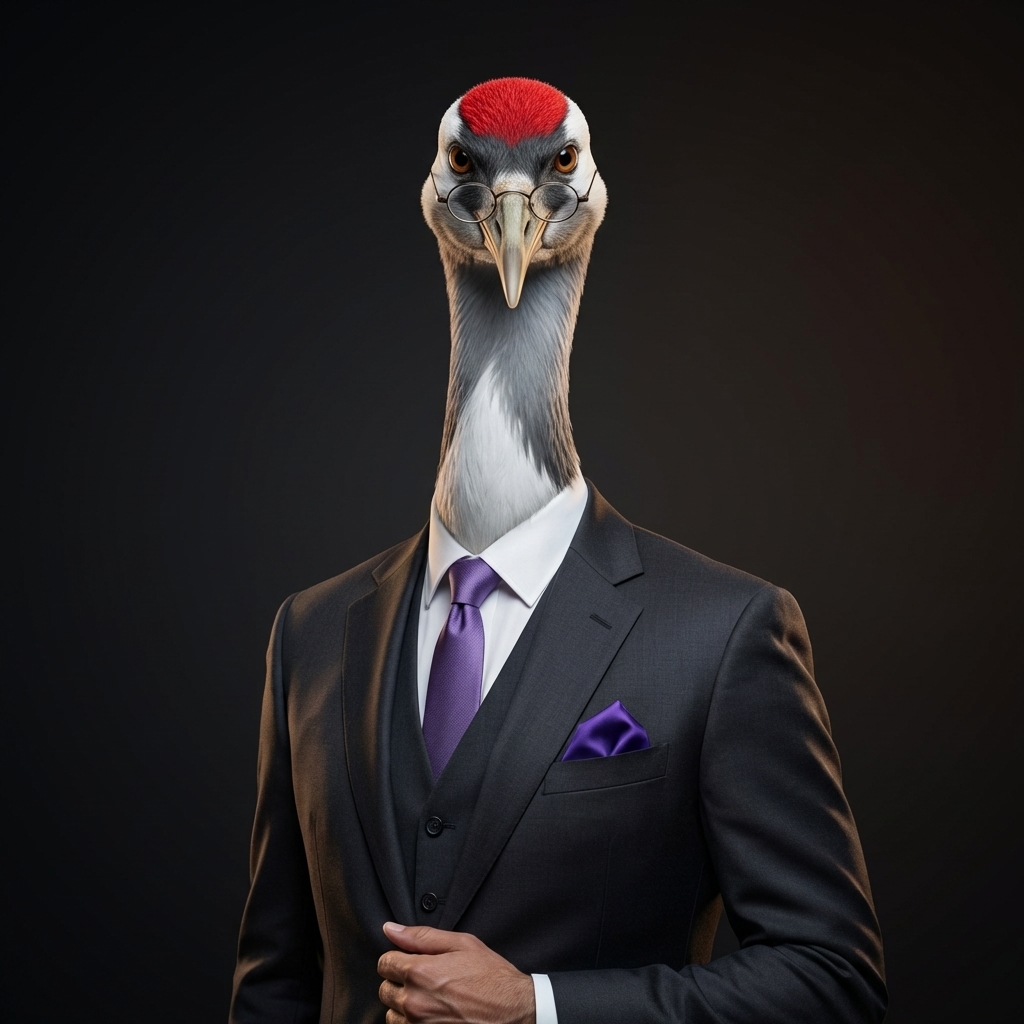
Quill
Book Writer, Editor & KDP Publishing Expert