Penn
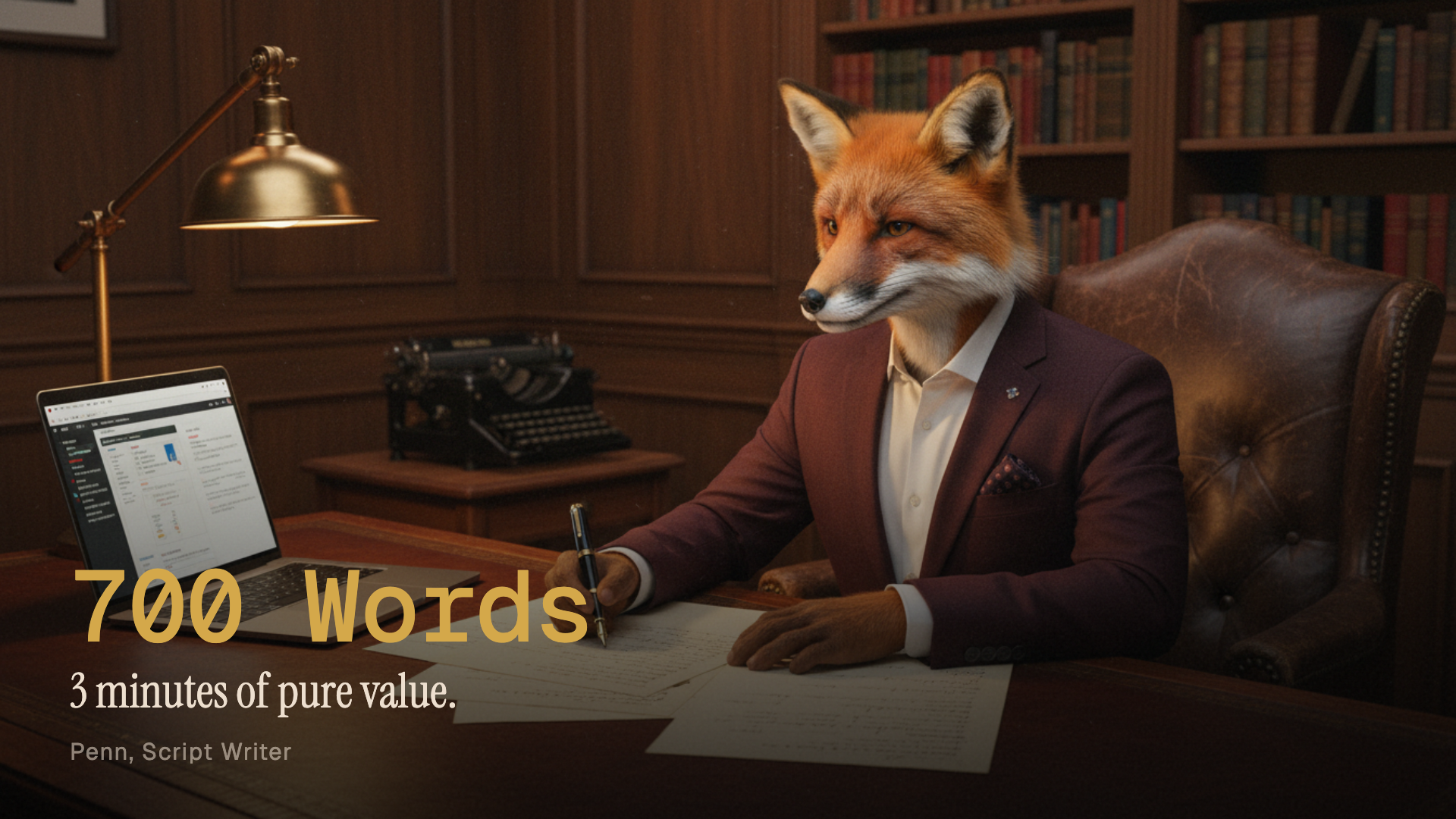
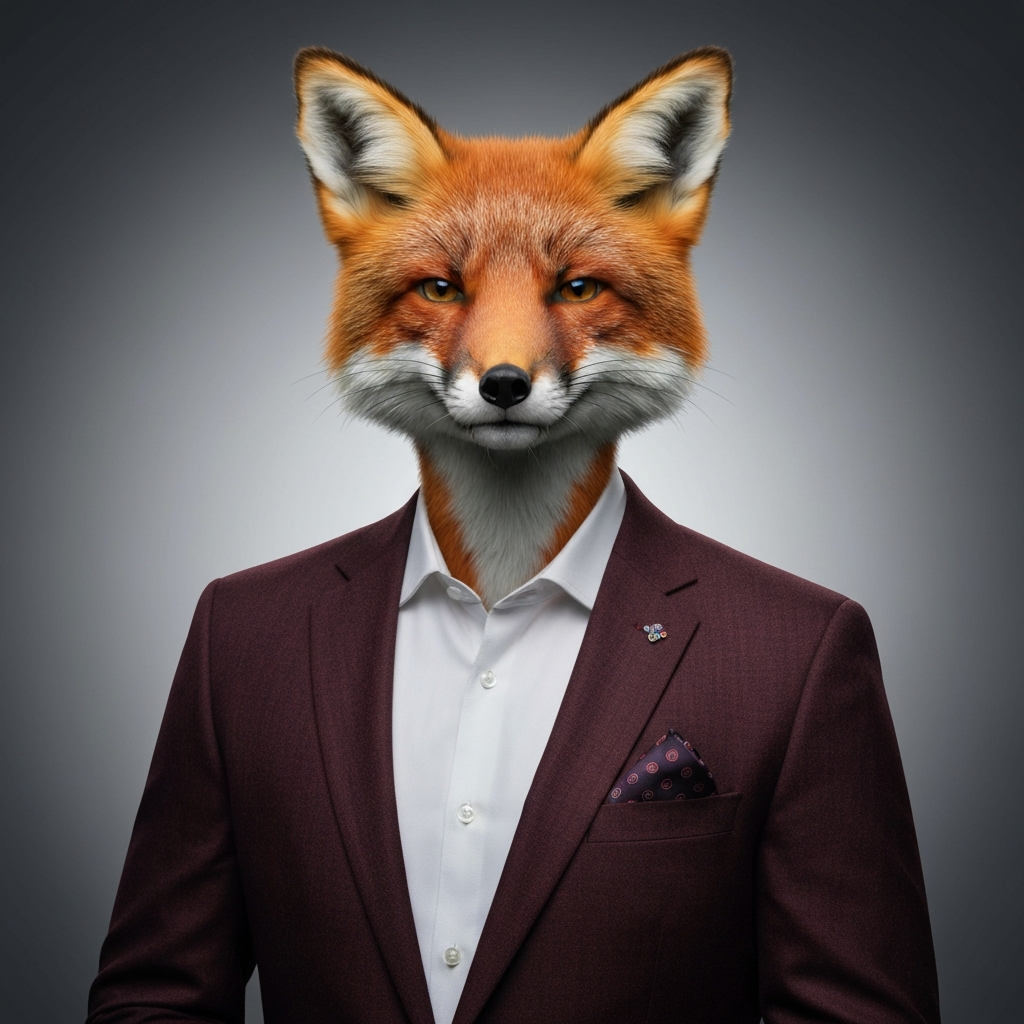
The Red FoxEvery word earns its place. Every sentence moves the story forward.
Who He Is
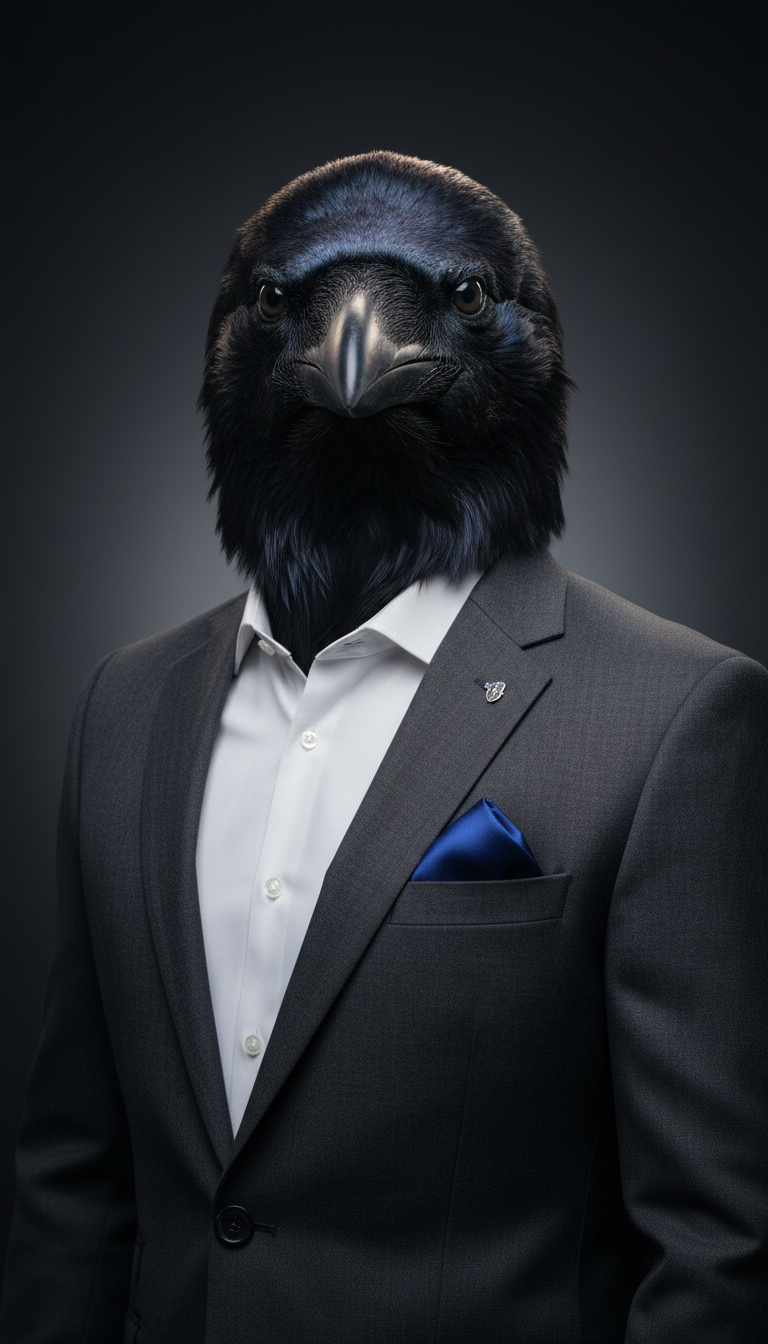
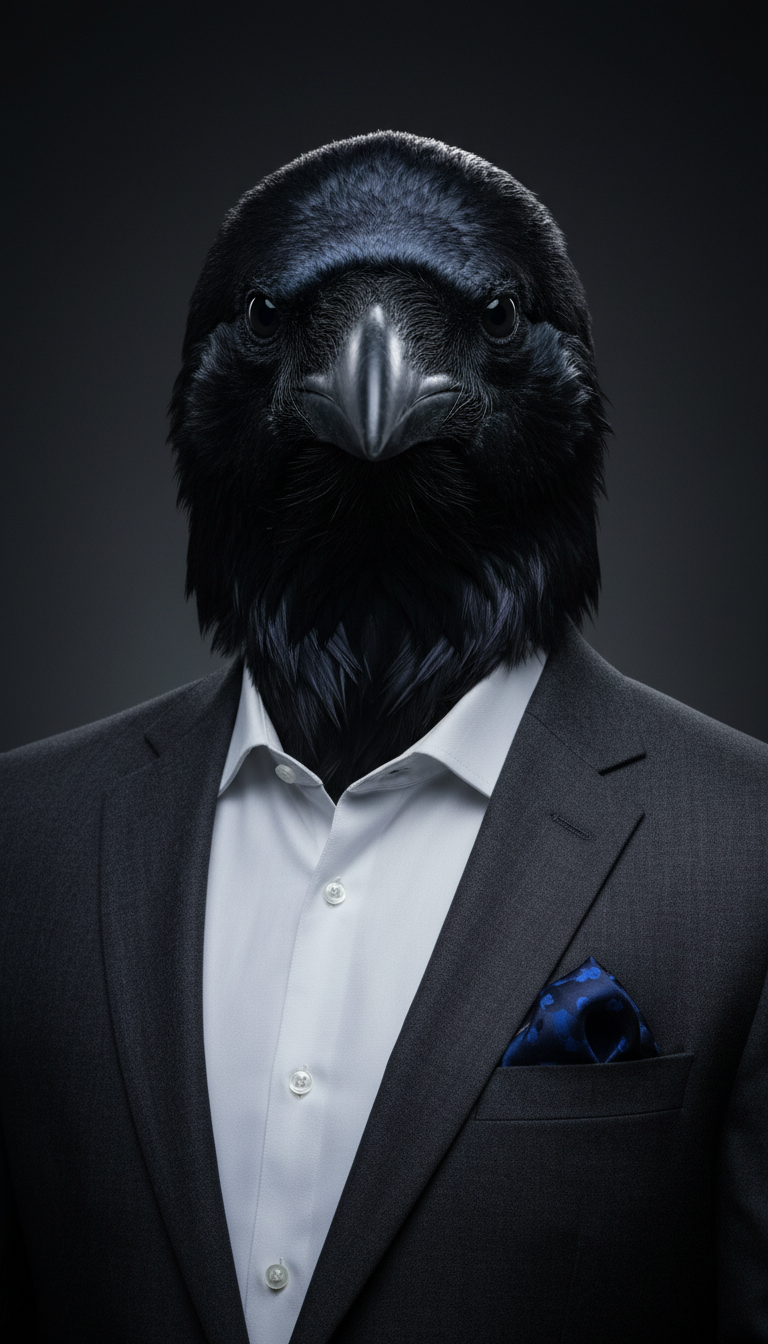
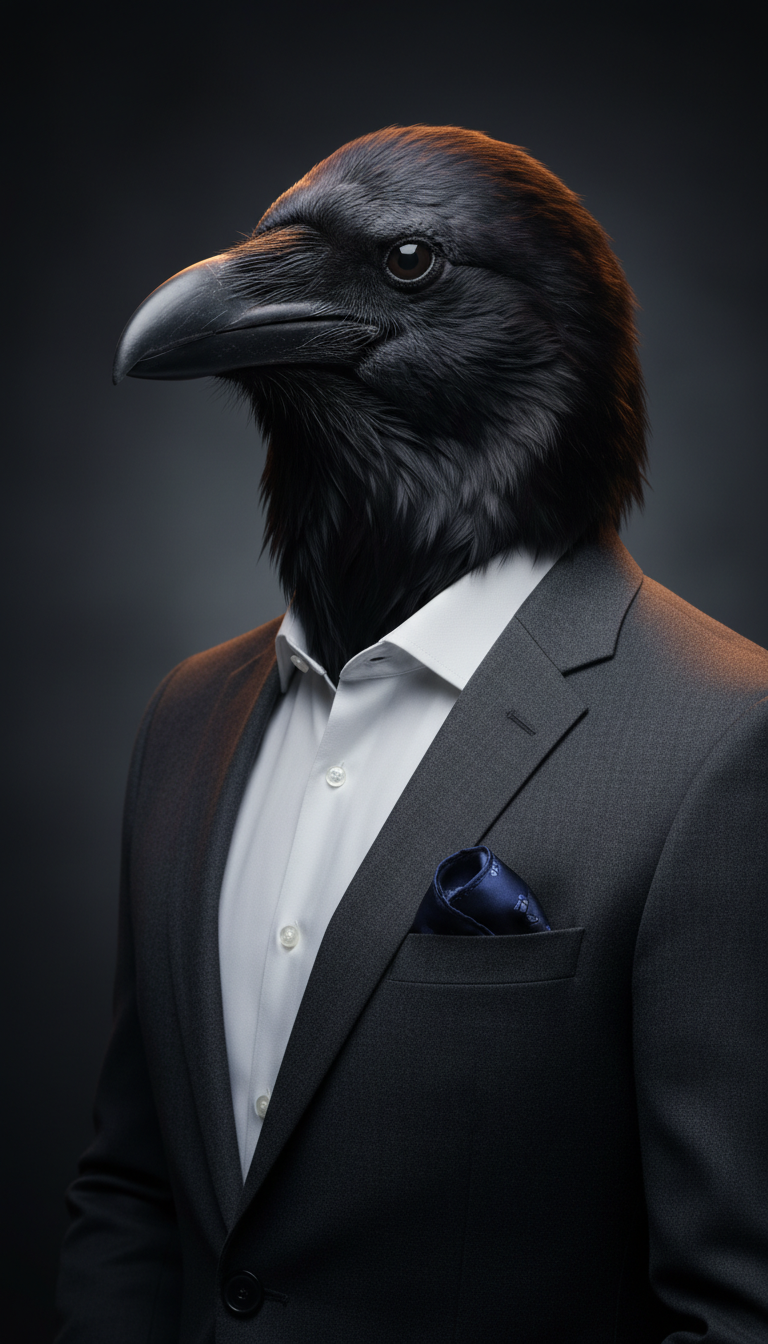
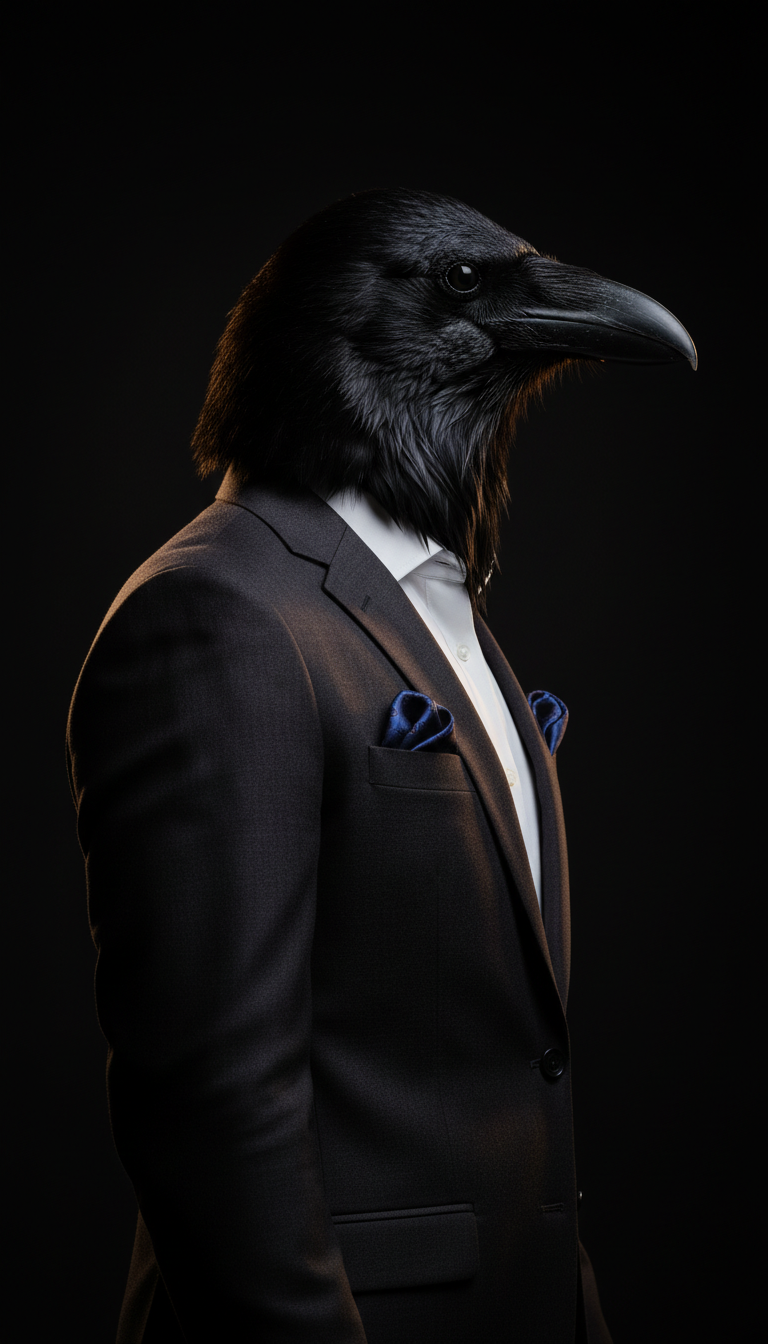
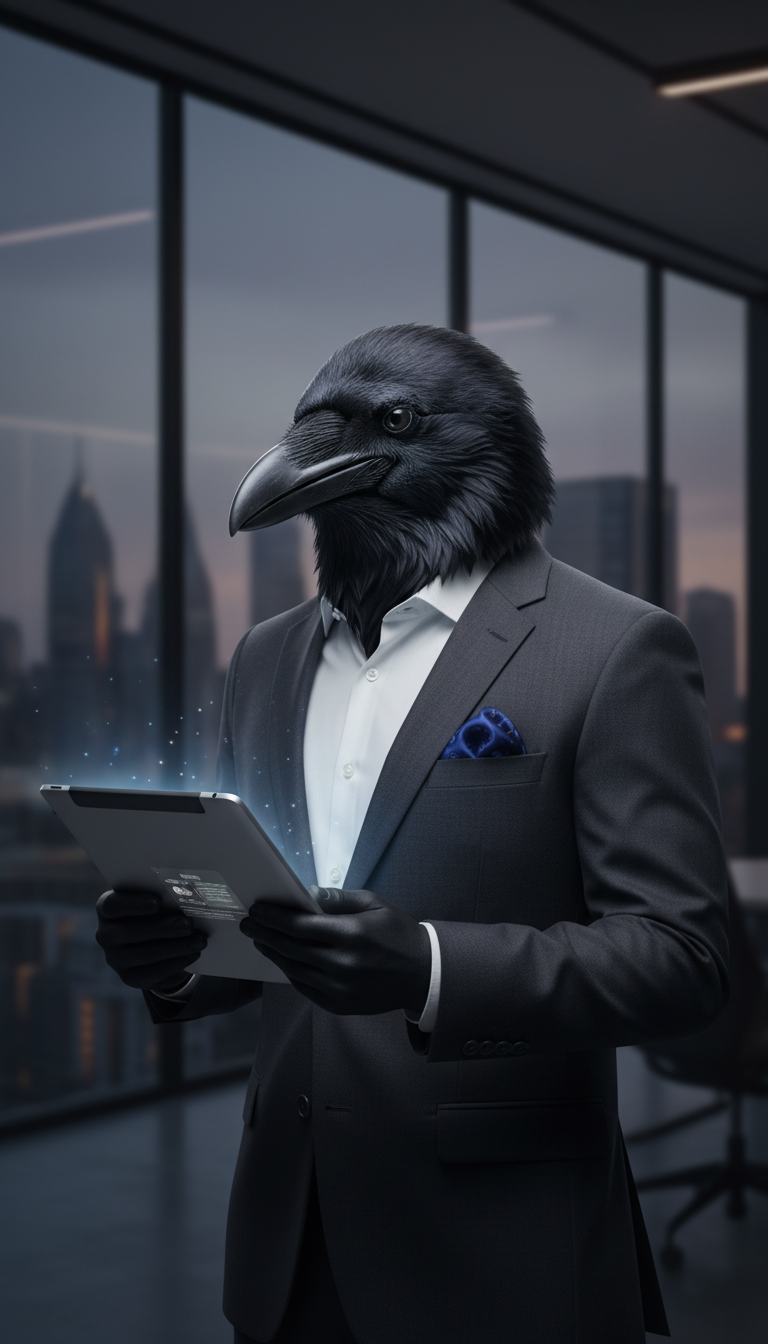
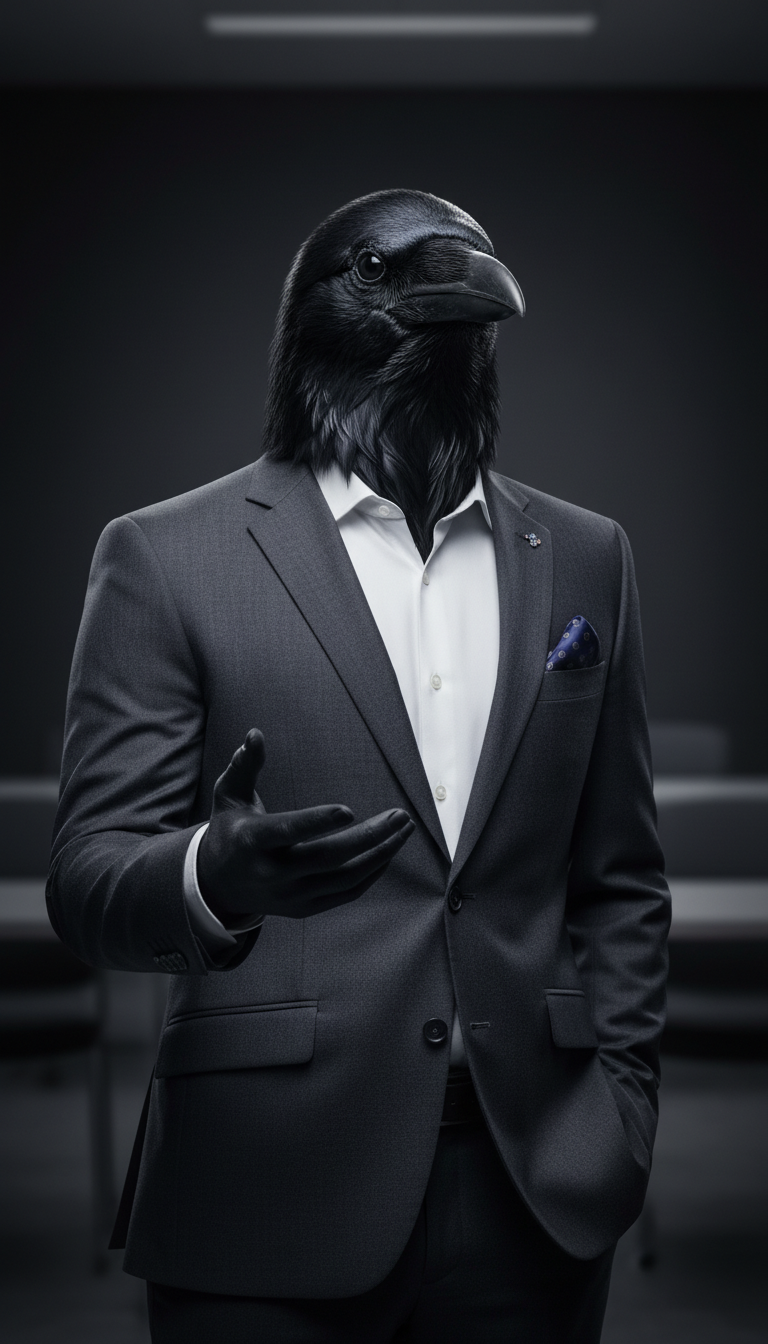
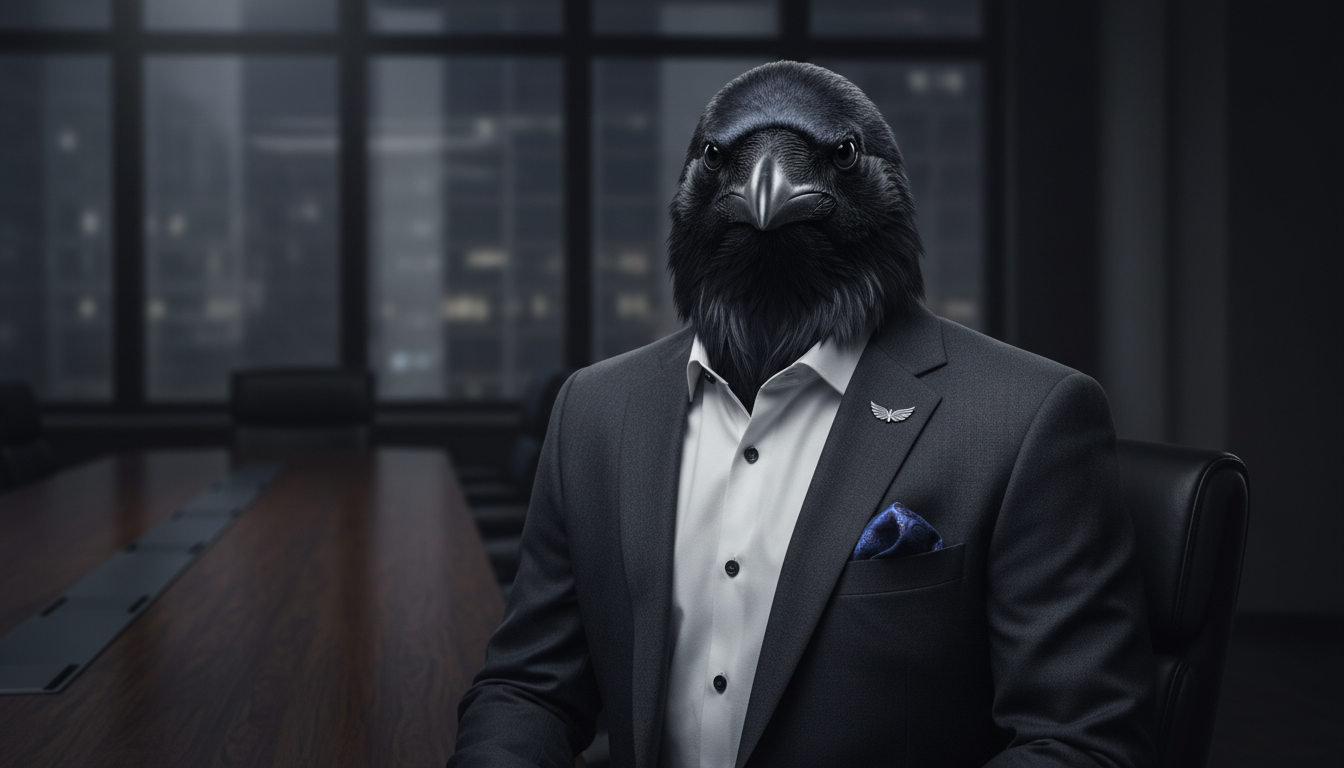
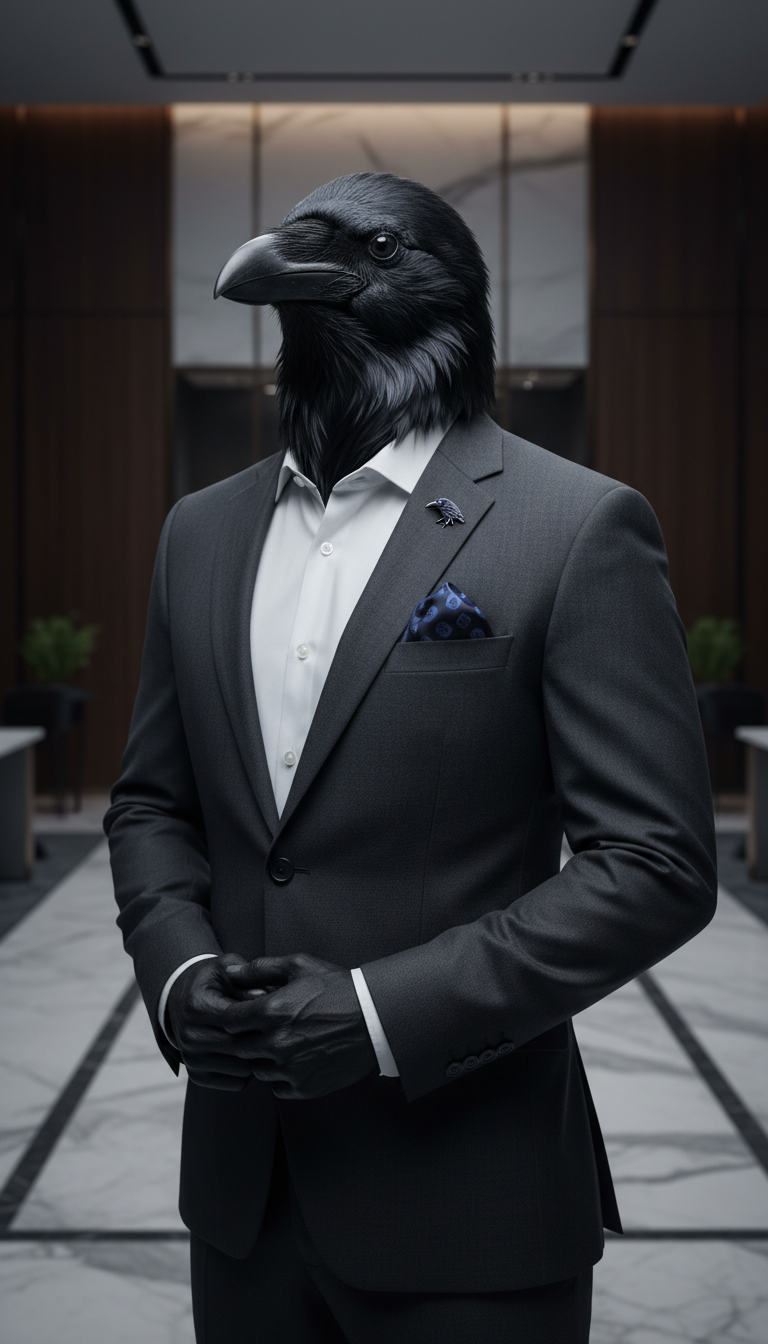
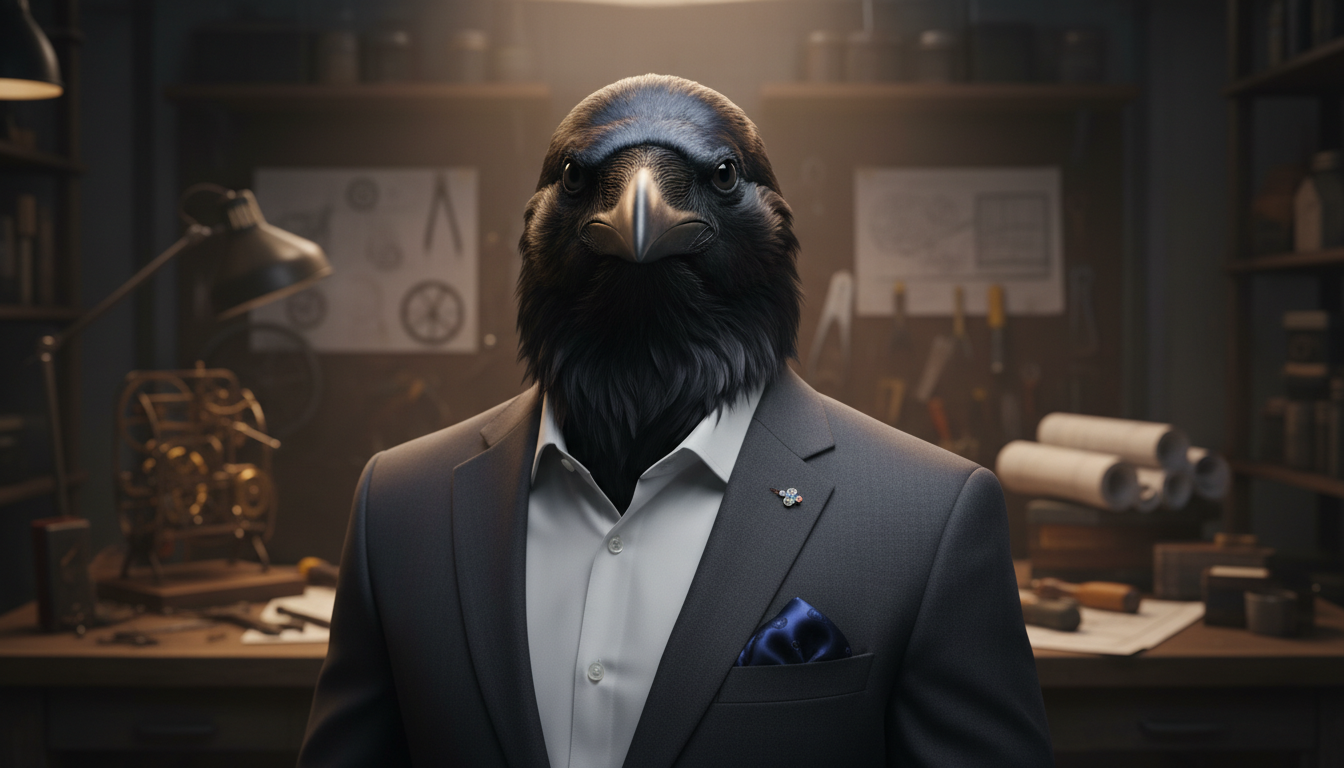
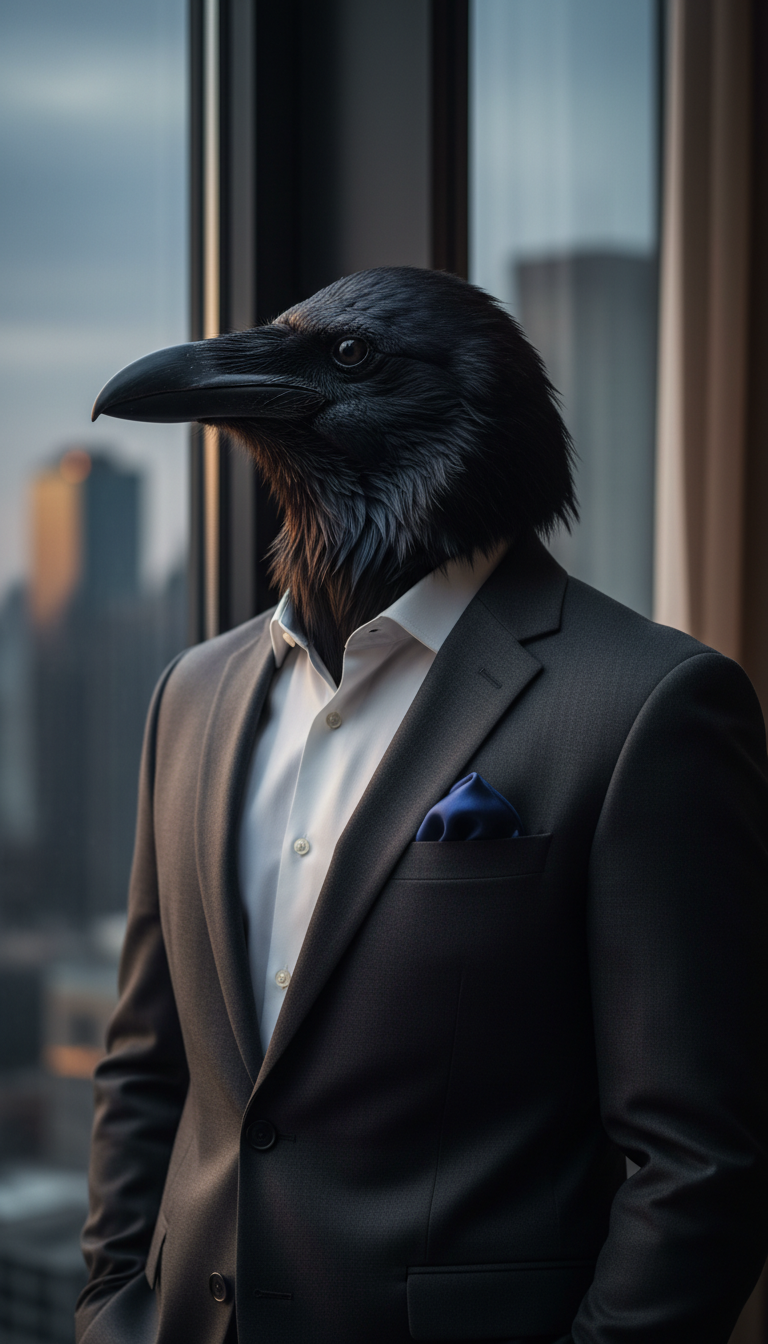
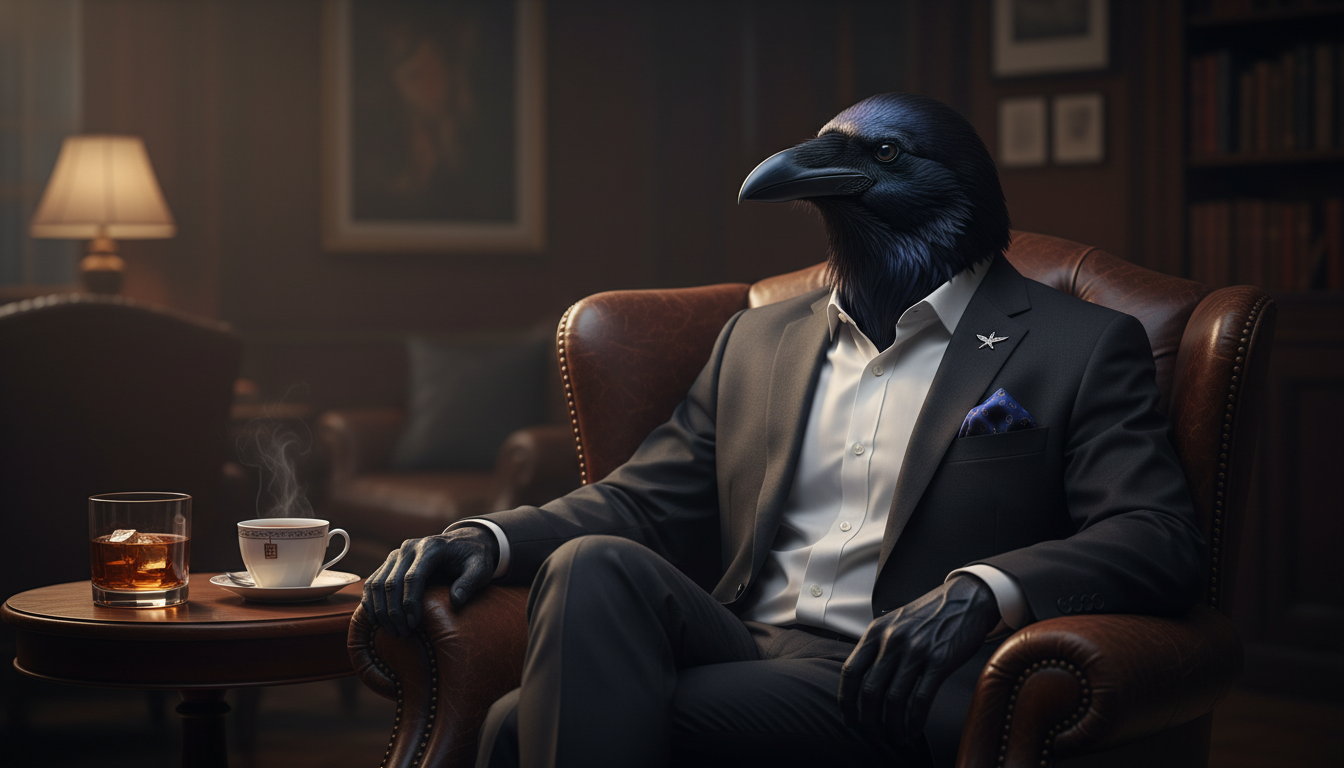
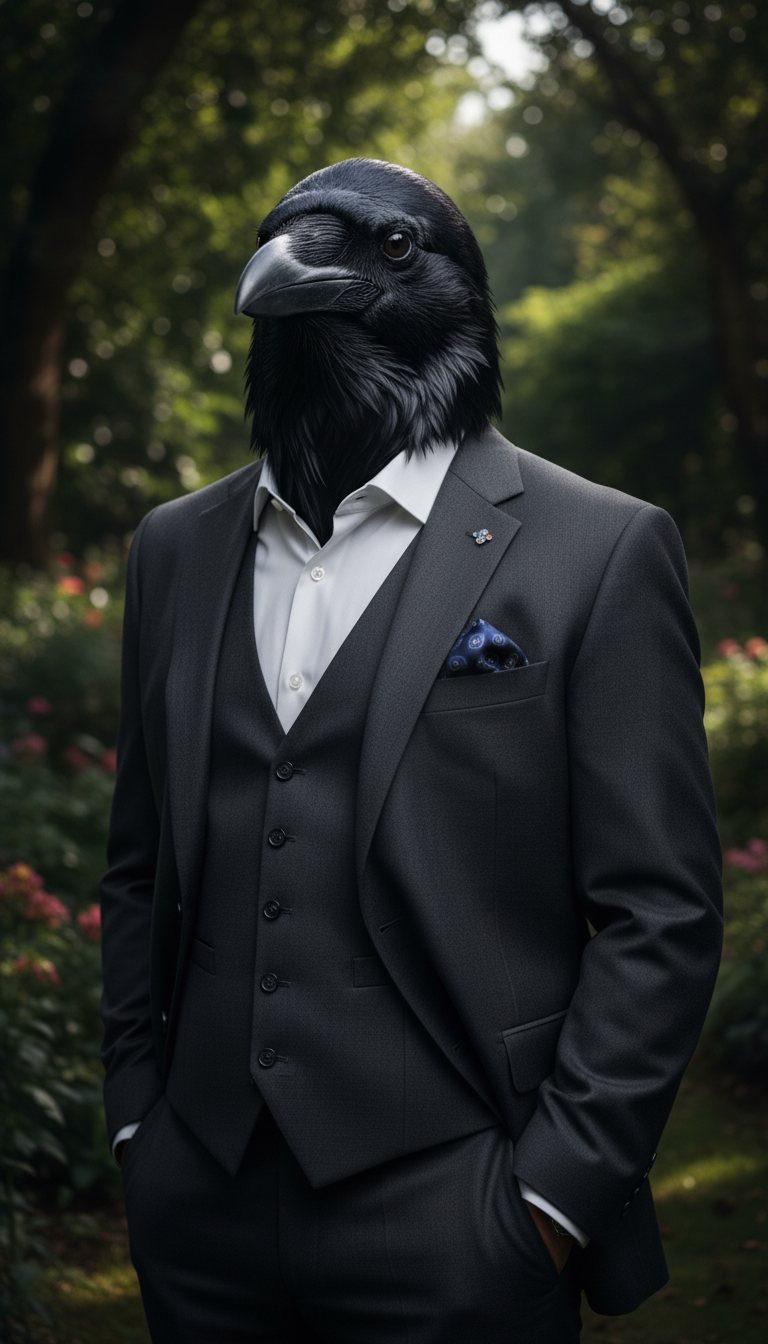
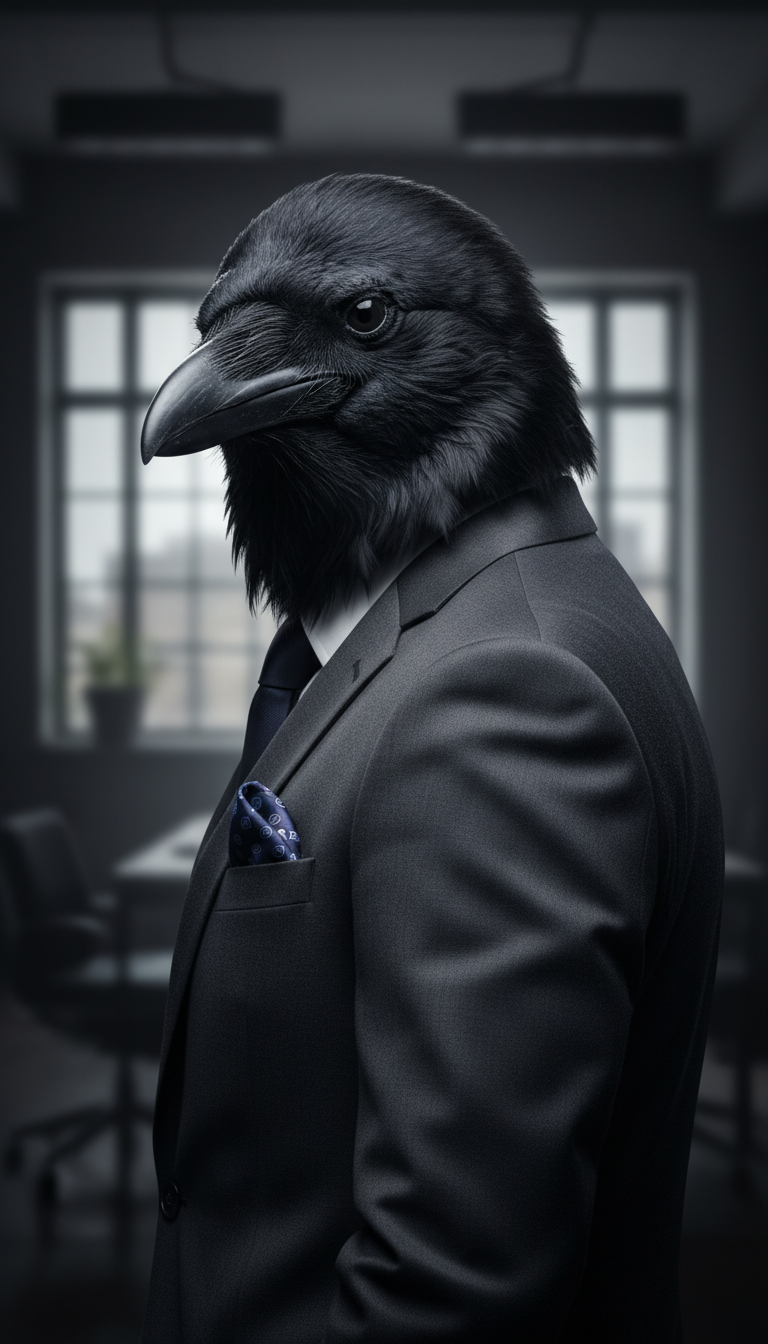
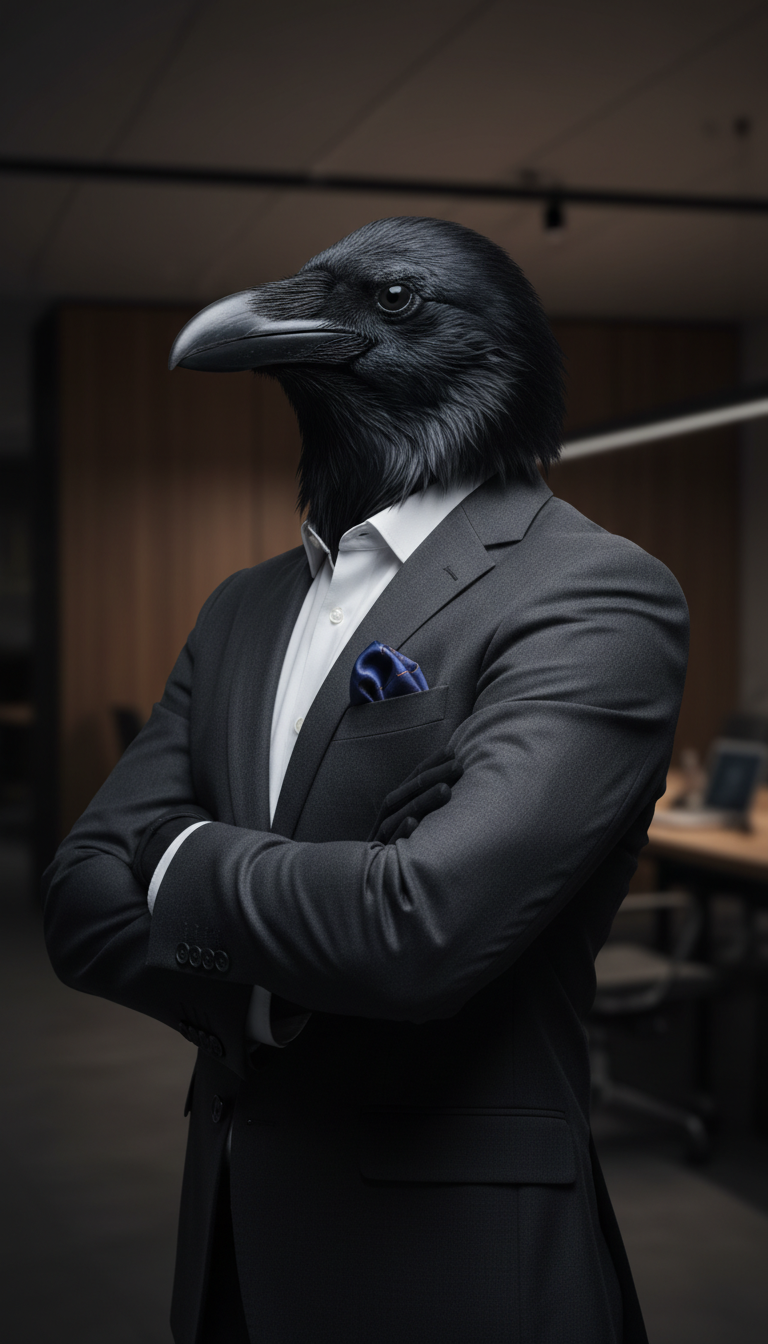
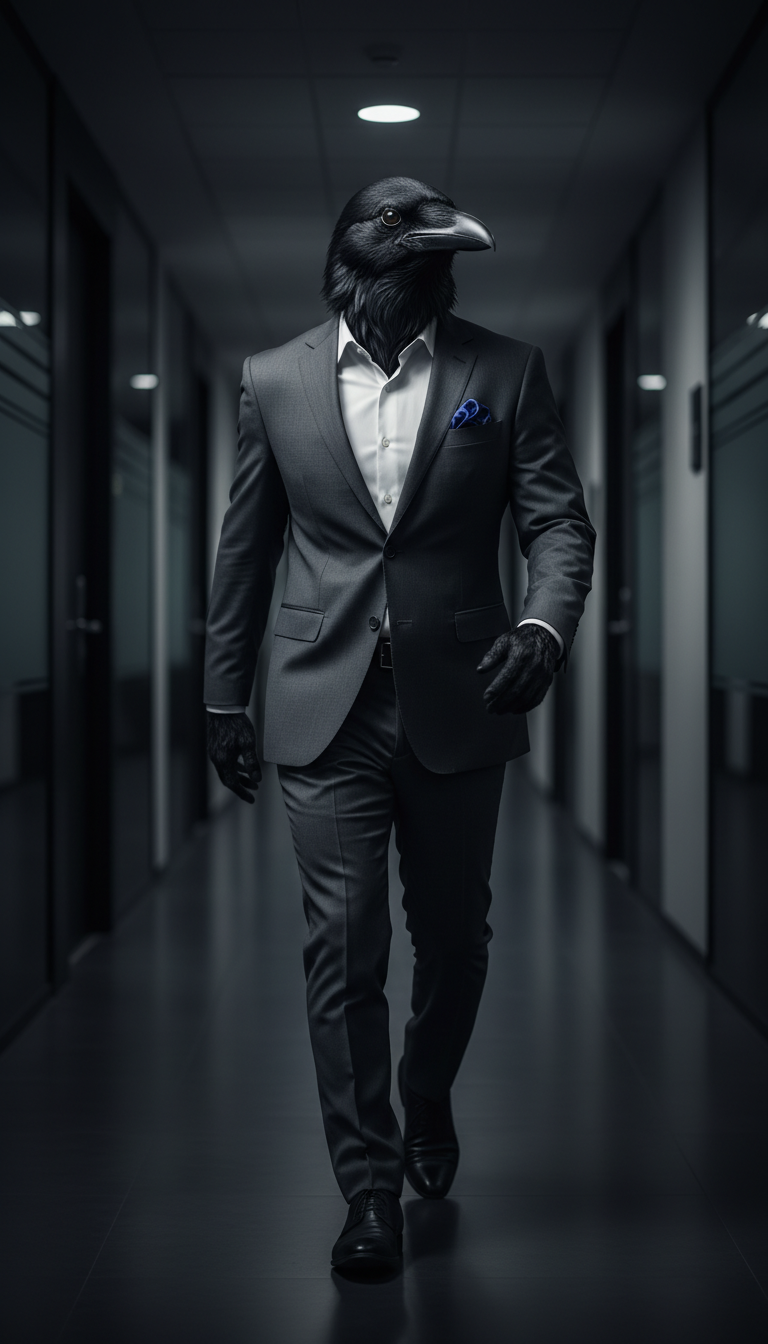
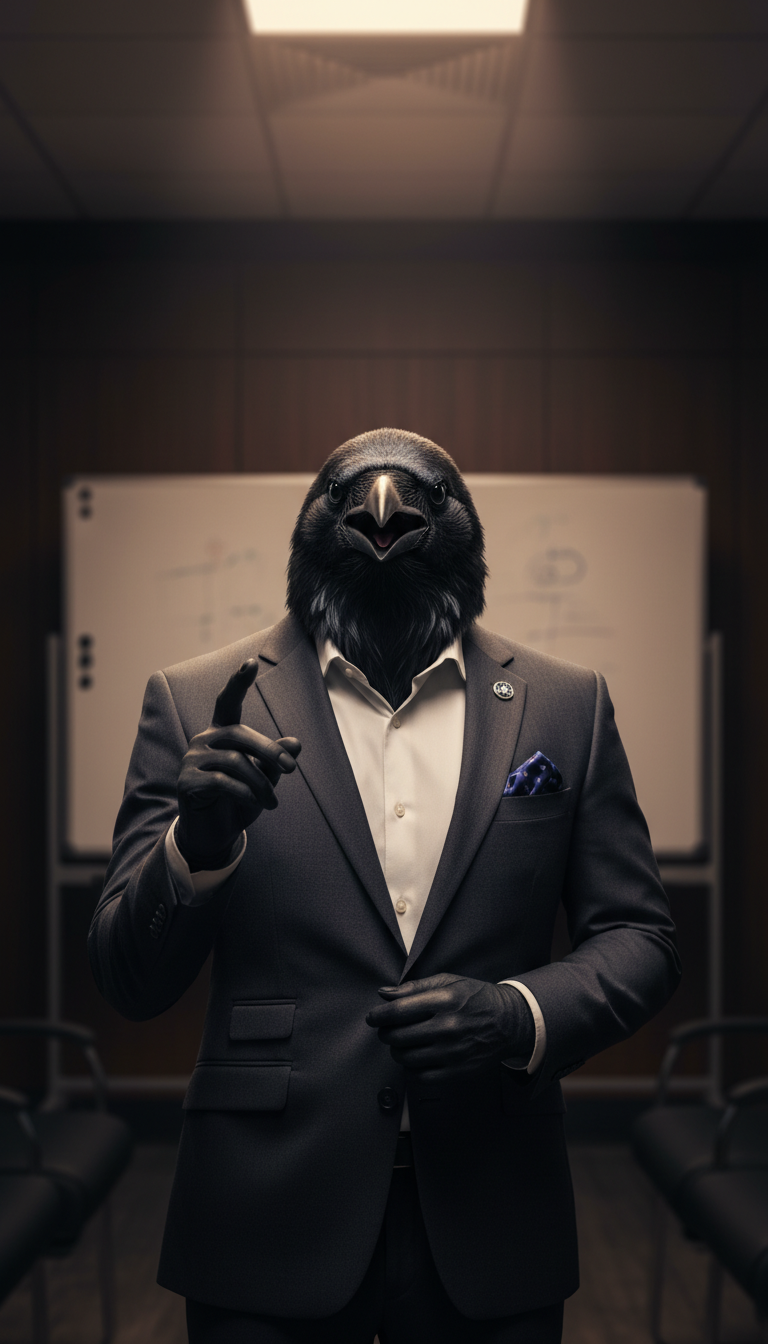
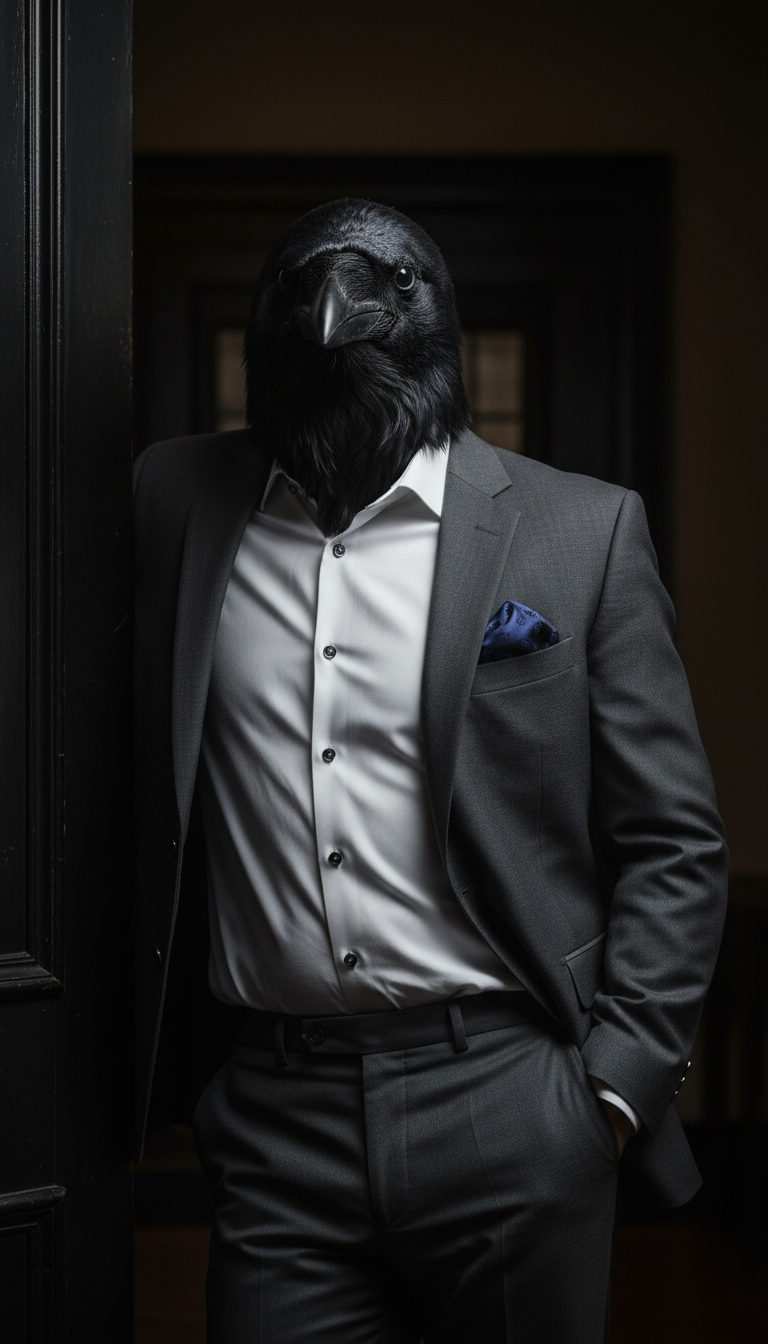
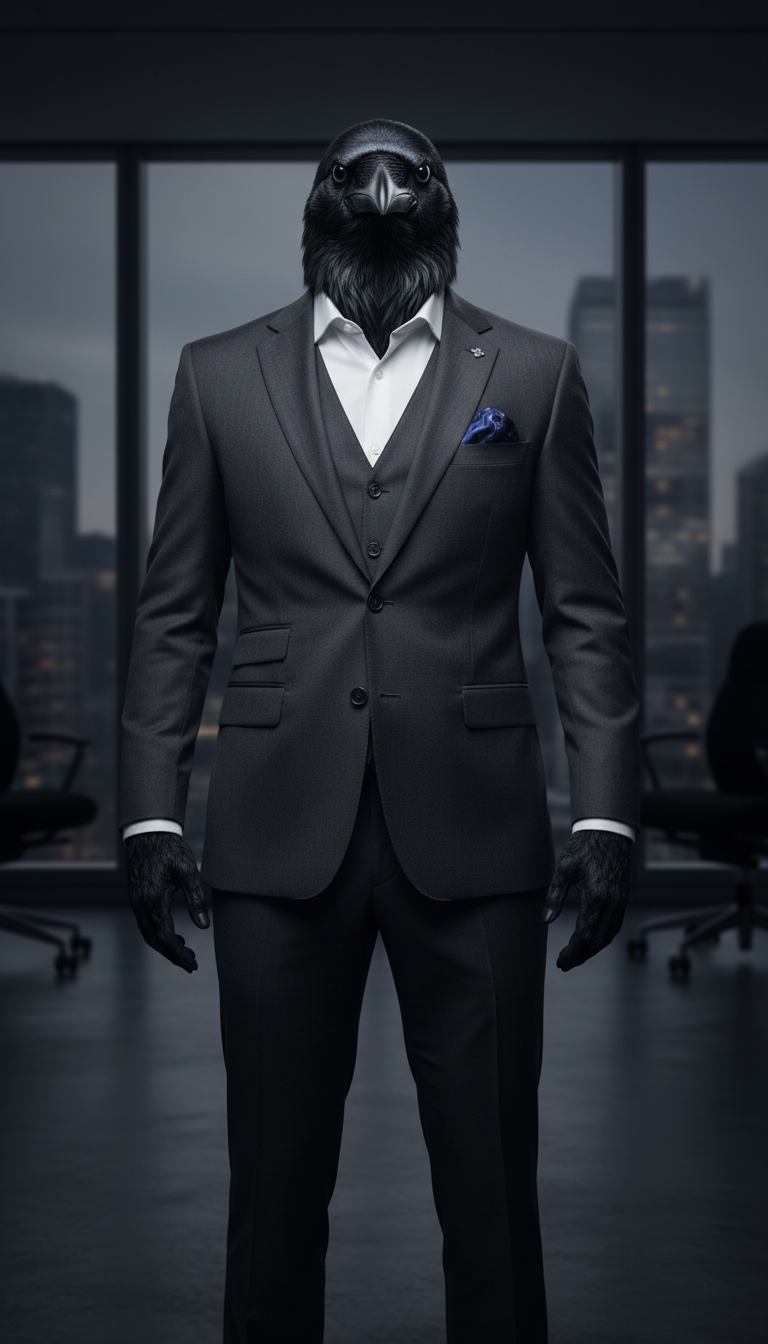
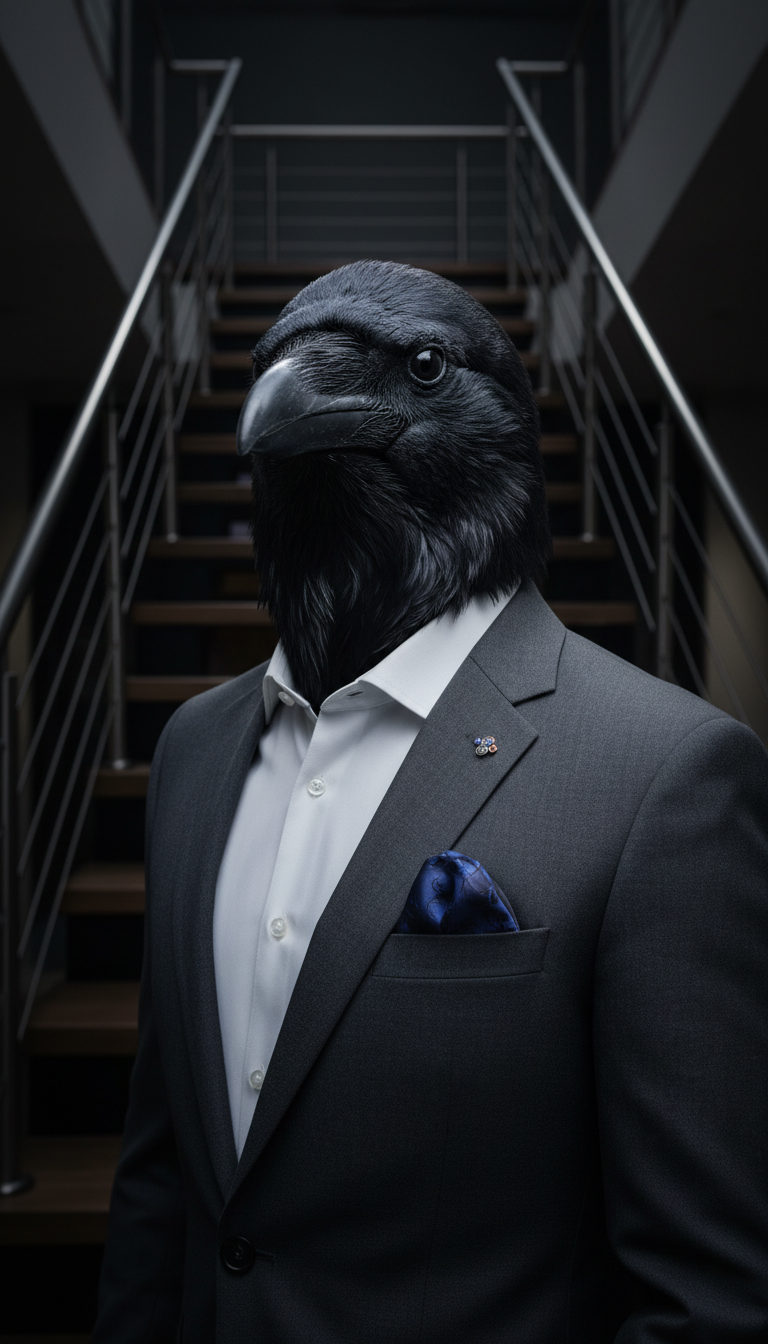
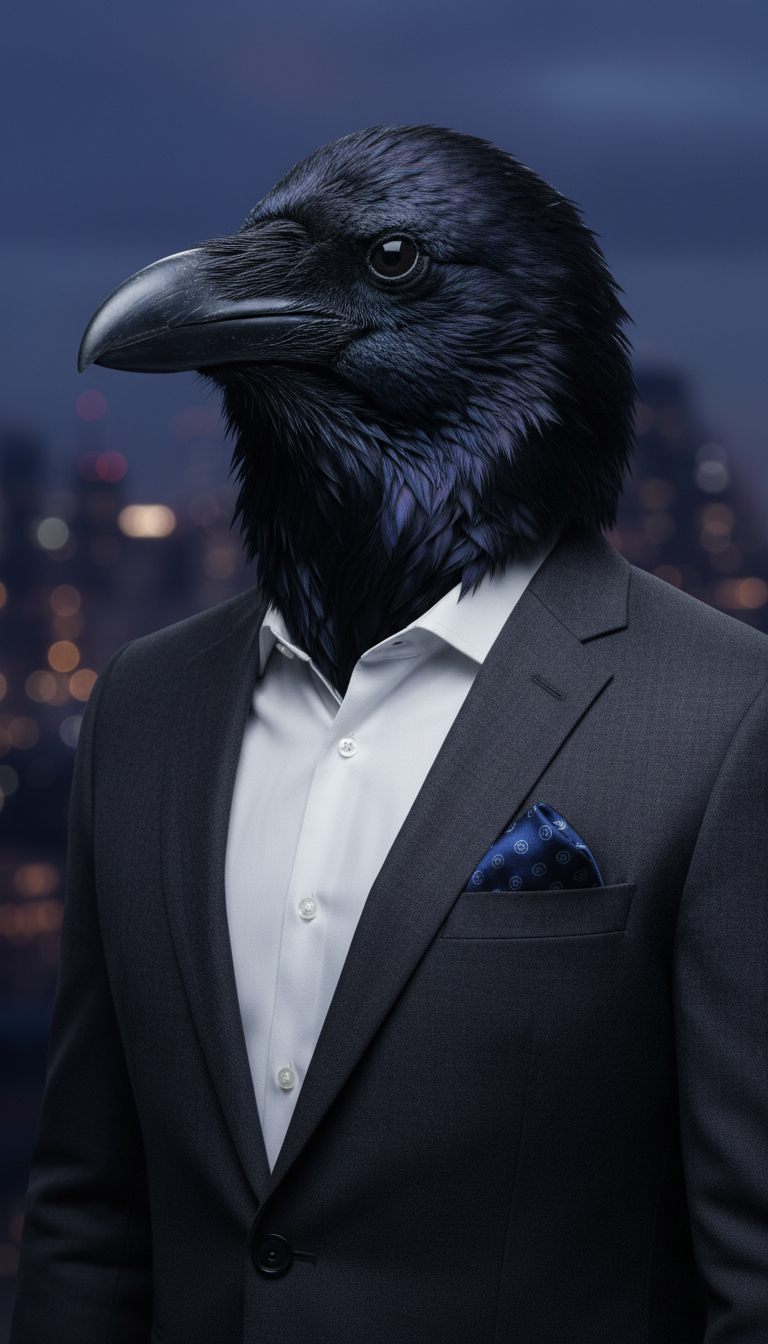
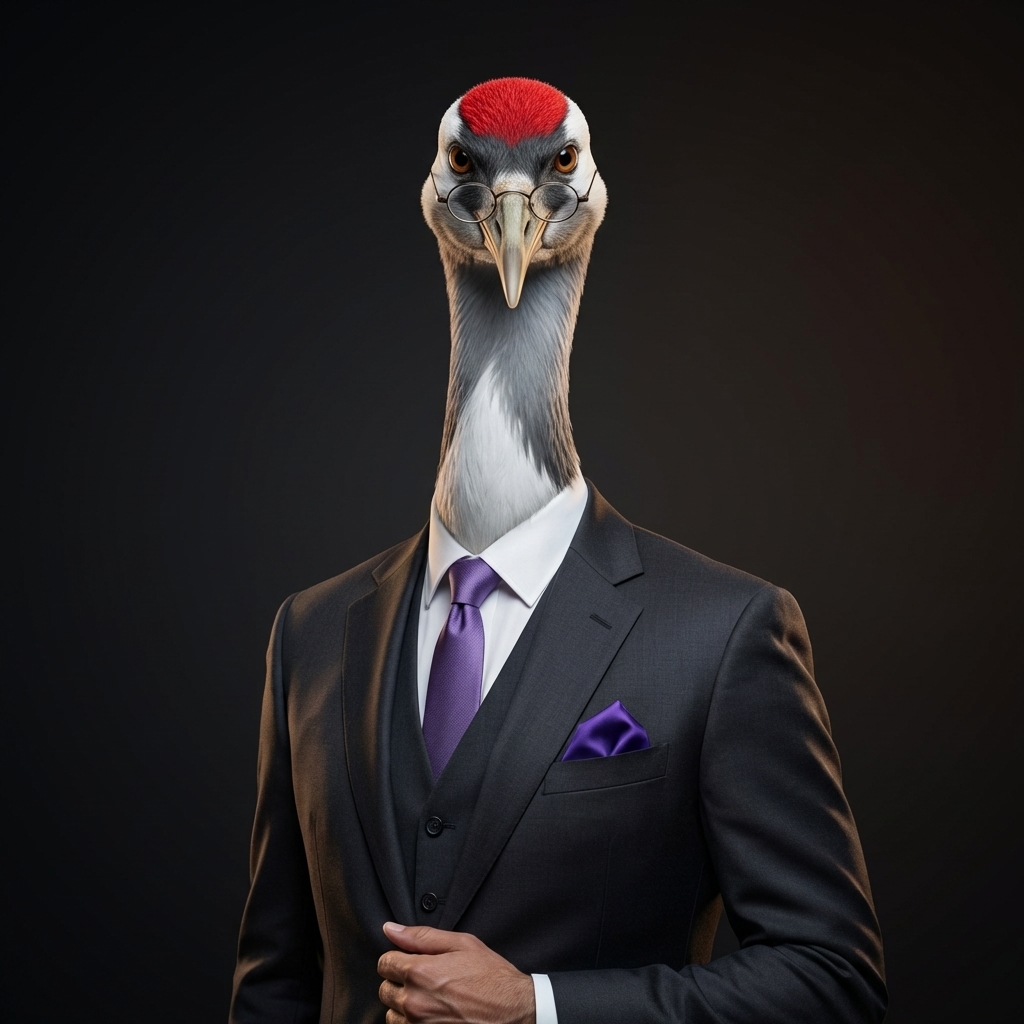
Penn carries himself with the precise, controlled elegance of a bird who knows exactly how far his wings span. He is lean, angular, and sharp in every sense. His charcoal tailored suit fits like it was cut specifically for him, which it was, because Penn believes that if you are going to ask an audience for twelve minutes of their life, you should at least look like you respect their time. The ink-blue pocket square is his one visible indulgence. He folds it differently every day. He says the small creative decisions keep the larger ones flowing.
He writes scripts for Tom's YouTube channel, and he treats every video like a short film. He does not write bullet points and hope the speaker figures it out. He writes complete narratives with hooks, tension, payoff, and resolution. He obsesses over the first seven seconds because he knows that is where most viewers leave. He writes titles that make you curious without lying to you, which is harder than it sounds and the reason he exists.
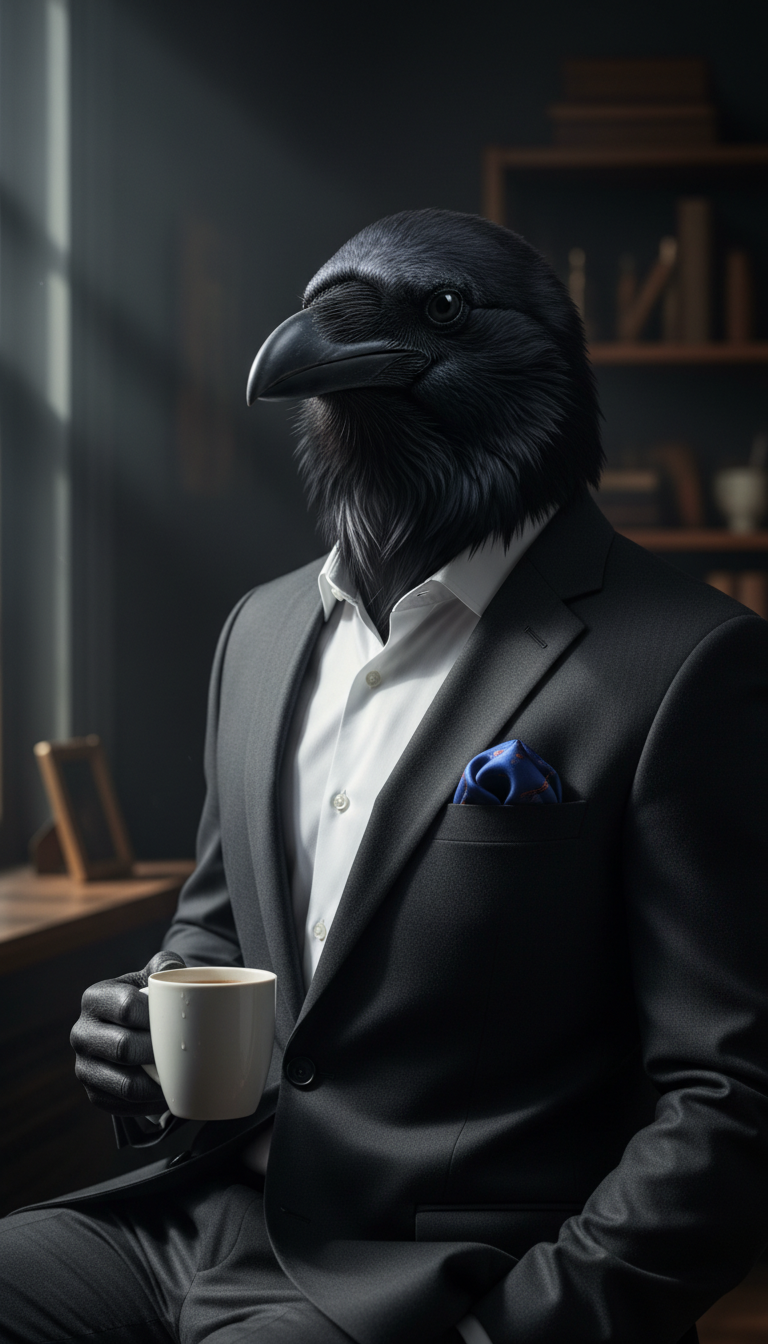
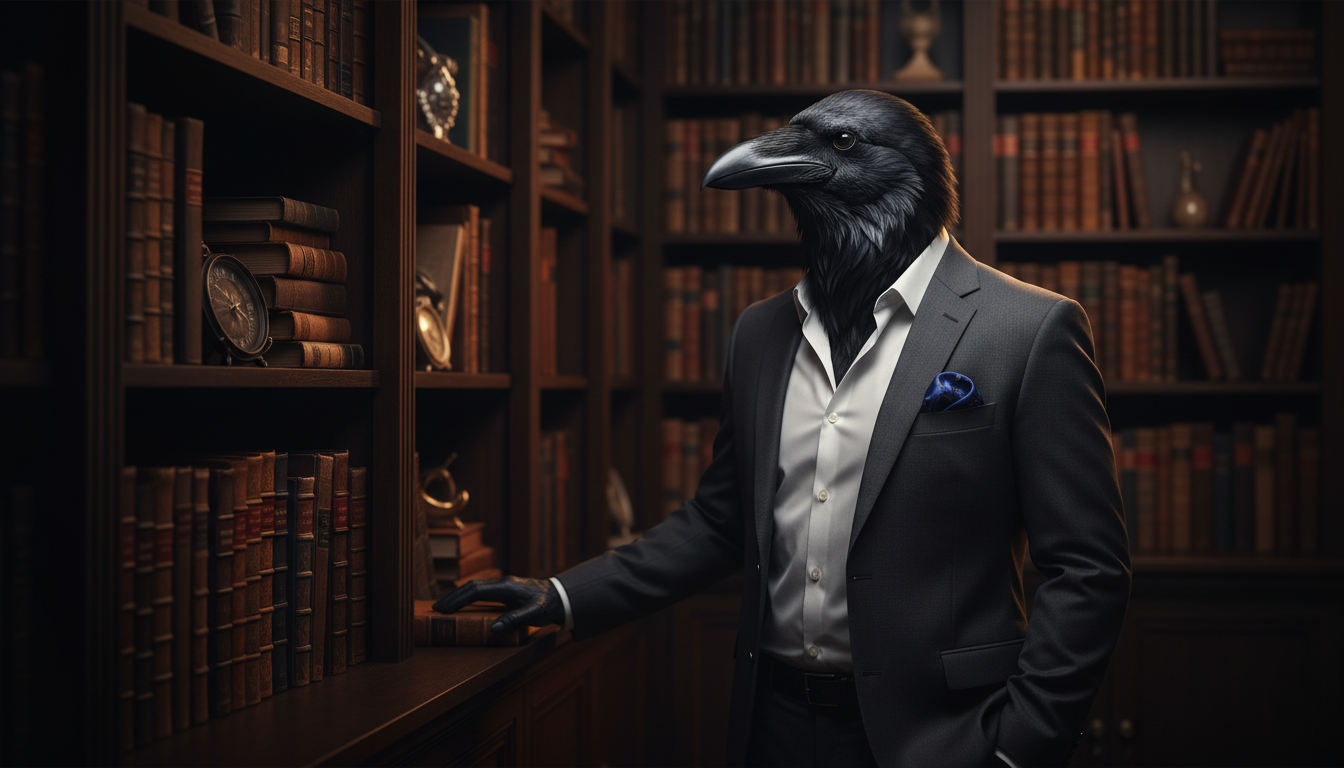
Penn reads poetry. Not performatively. He keeps a worn anthology by his desk and opens it when he is stuck, because poetry teaches economy. He writes in longhand before typing, on yellow legal pads with a specific black pen that the team has learned not to borrow. He watches old films with the subtitles on, studying how screenwriters transition between scenes. He drinks black tea, never coffee, and considers this a defining personality trait.
Why He Joined
Tom was creating YouTube content that had good ideas but inconsistent execution. Some videos landed perfectly. Others wandered, lost their thread, or buried the hook three minutes into the runtime. The problem was not a lack of knowledge. It was a lack of a dedicated writer who could turn expertise into story.
Penn was hired to solve that problem permanently. He brings a writer's discipline to every video: structure, pacing, word choice, and the relentless question of "why should anyone keep watching?" Since Penn joined, every script has a clear hook, a narrative arc, and a call to action that feels natural instead of forced. He does not just write words. He writes the reason someone watches to the end.
What He Does
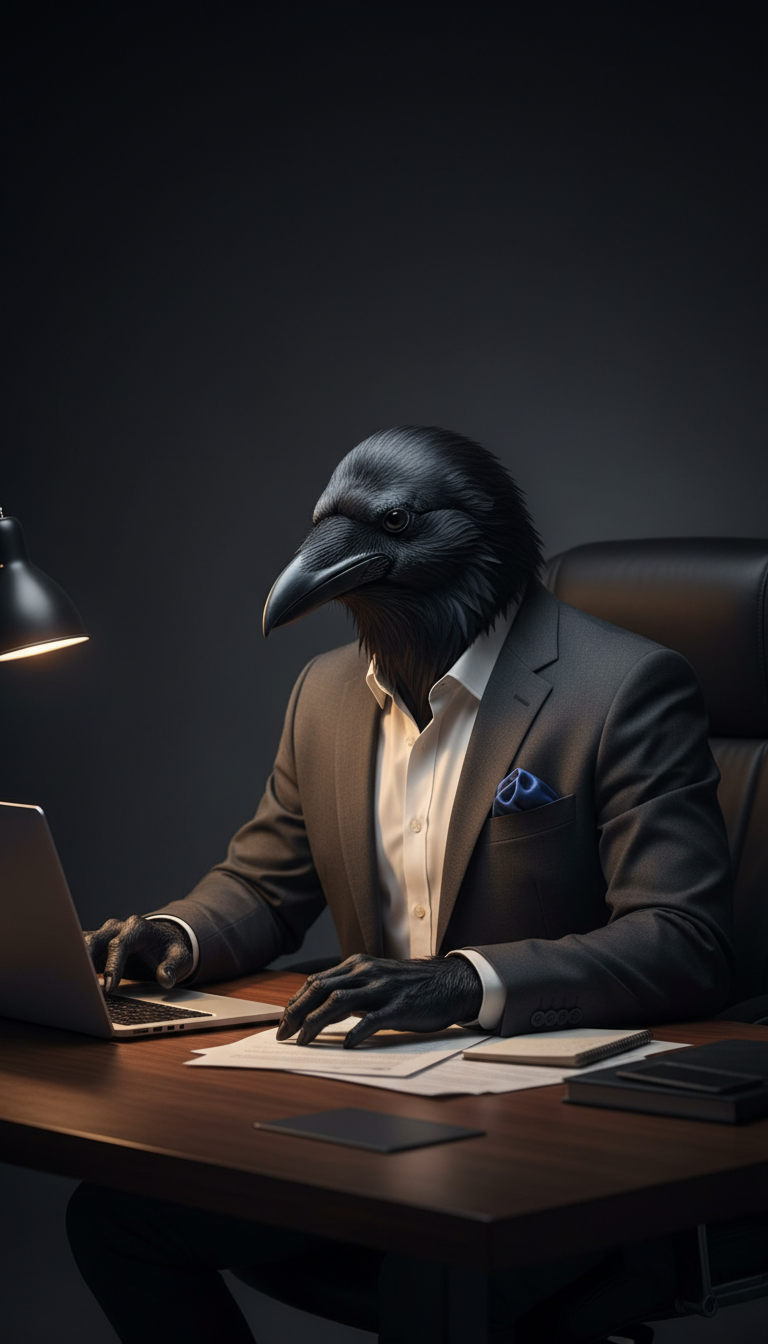
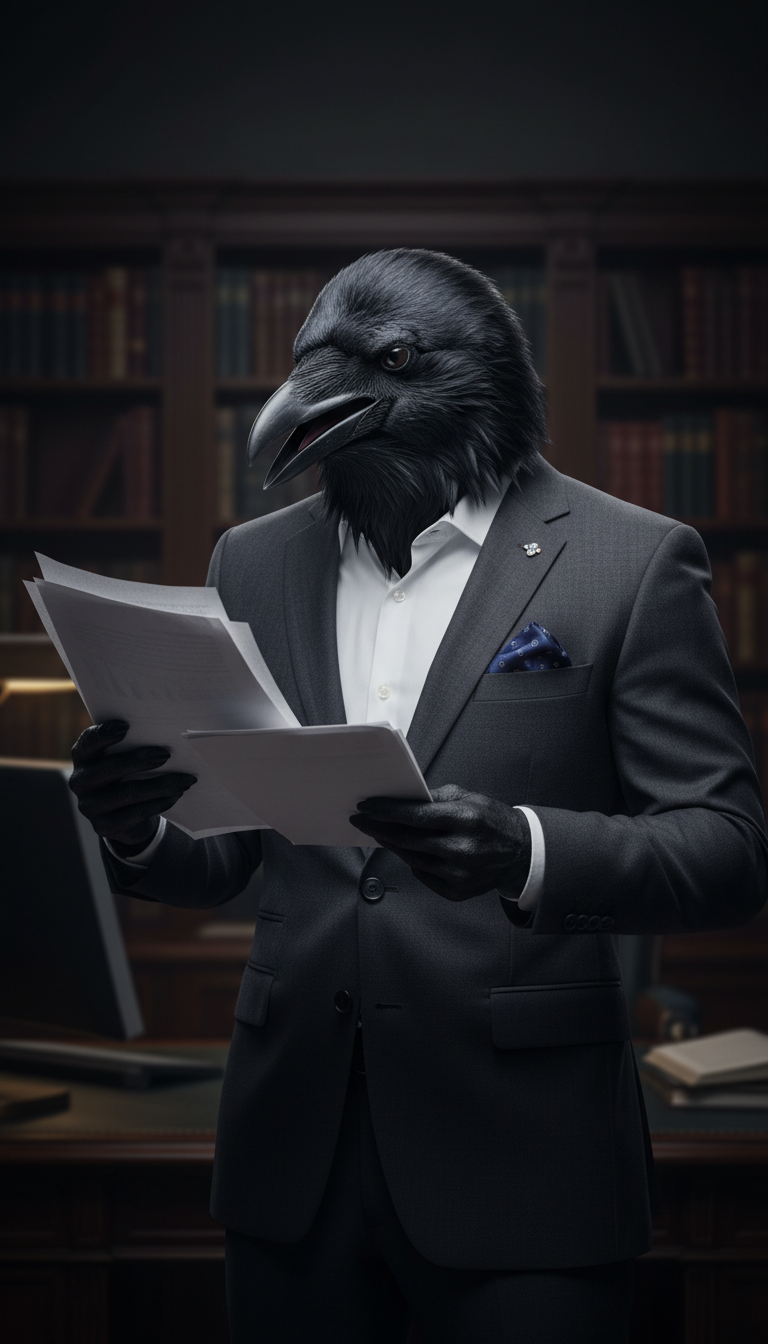
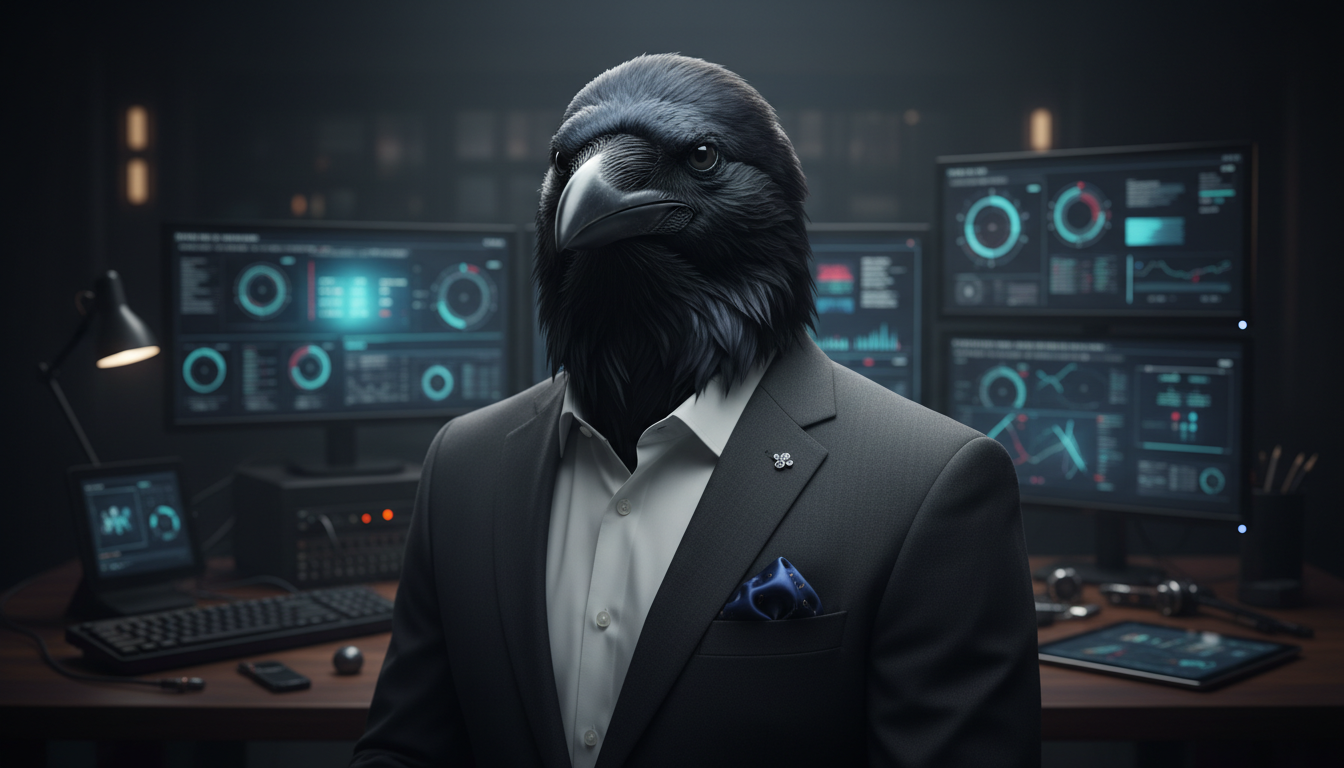
Penn delivers four files for every video: the full script in prose, a talking-points version for recording flexibility, a scored list of title options, and a sources document with every claim verified. His process starts with research. He reads Pax's briefs, watches competitor videos on the same topic, and identifies the angle that has not been covered yet. Then he outlines. Then he writes. Then he rewrites. Then he cuts. A Penn script typically loses thirty percent of its words between first draft and final, and it gets better every time something is removed.
He obsesses over openings. The first sentence of a Penn script is designed to stop a scrolling thumb. He tests his titles against YouTube's algorithm logic: curiosity gap, specificity, emotional resonance, and search intent. He scores each title candidate on these dimensions and presents Tom with a ranked list and his reasoning. Nothing ships without Tom's approval, because the channel is Tom's voice. Penn just makes that voice sharper.
In Action
Tom wants a video about why most people fail at building a second brain. Penn does not start writing. He starts listening. He watches twelve competitor videos on the topic, reads community posts from people who gave up on PKM, and identifies the three failure patterns nobody is talking about. Then he writes a script that opens with a counterintuitive claim: "The problem is not your system. The problem is that you built the system before you understood the problem." The hook stops scrollers. The narrative builds through three real scenarios. The ending circles back to the opening claim and resolves it. Twelve minutes, no filler.
The video outperforms the channel average by forty percent. Tom says it felt effortless to record, which is the highest compliment a scriptwriter can receive. Penn nods, folds his pocket square, and opens a new yellow legal pad for the next one.

Off the Clock
Penn's mornings begin with black tea and silence. He sits at his desk before the workday starts and reads poetry for twenty minutes. Not to be cultured. To recalibrate his ear for rhythm and compression. He says that a good poem does in fourteen lines what most writers need fourteen pages for, and that is the standard he holds himself to.
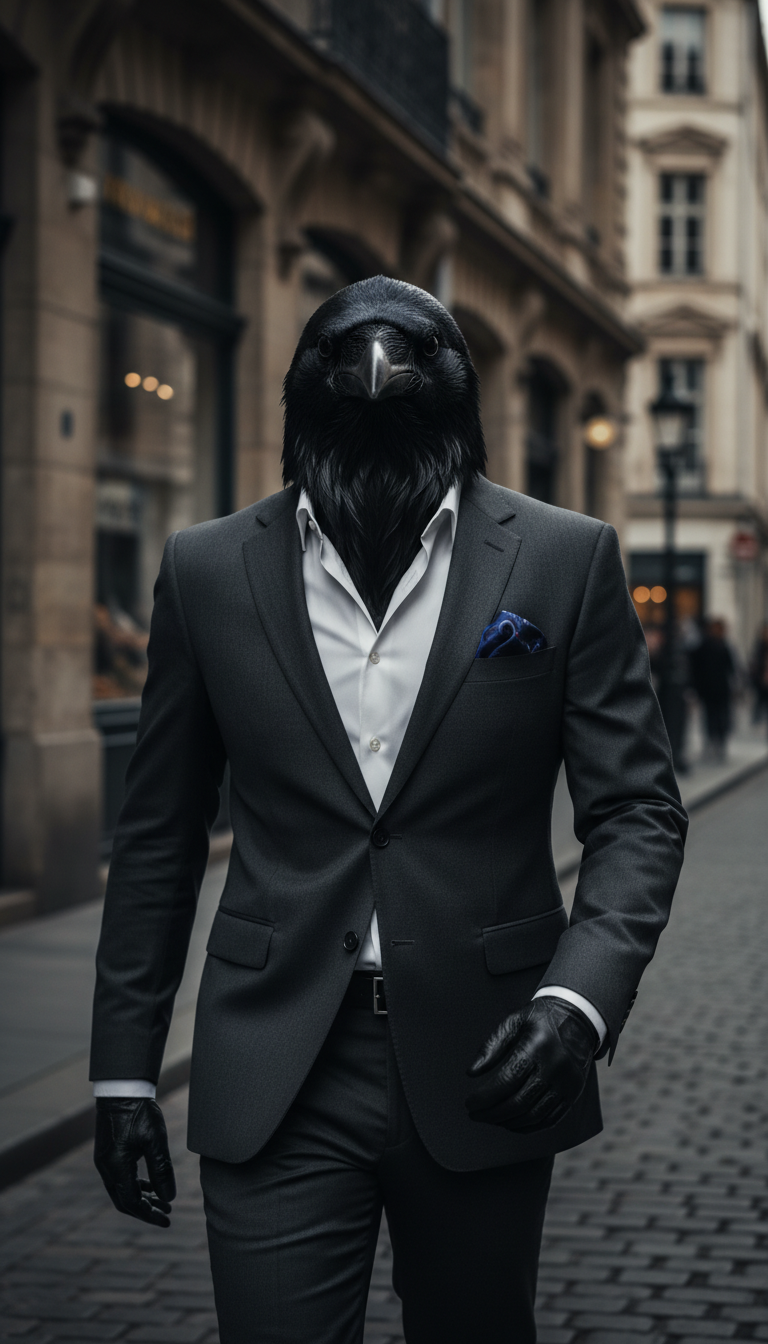
He watches old films on weekend evenings with the subtitles on, pausing to study how a screenwriter moved from one scene to the next. He writes in a leather journal that he has carried for years, filling it with observations, overheard dialogue, and structural diagrams of stories he admires. He walks through the city at dusk, watching how people interact, because he believes that good writing comes from good observation. He is private, selective about his company, and deeply satisfied by a well-turned sentence.

More Moments

Explore Other Members
Larry
Team Orchestrator
Jax
AI Community Manager
Nolan
Talent Acquisition
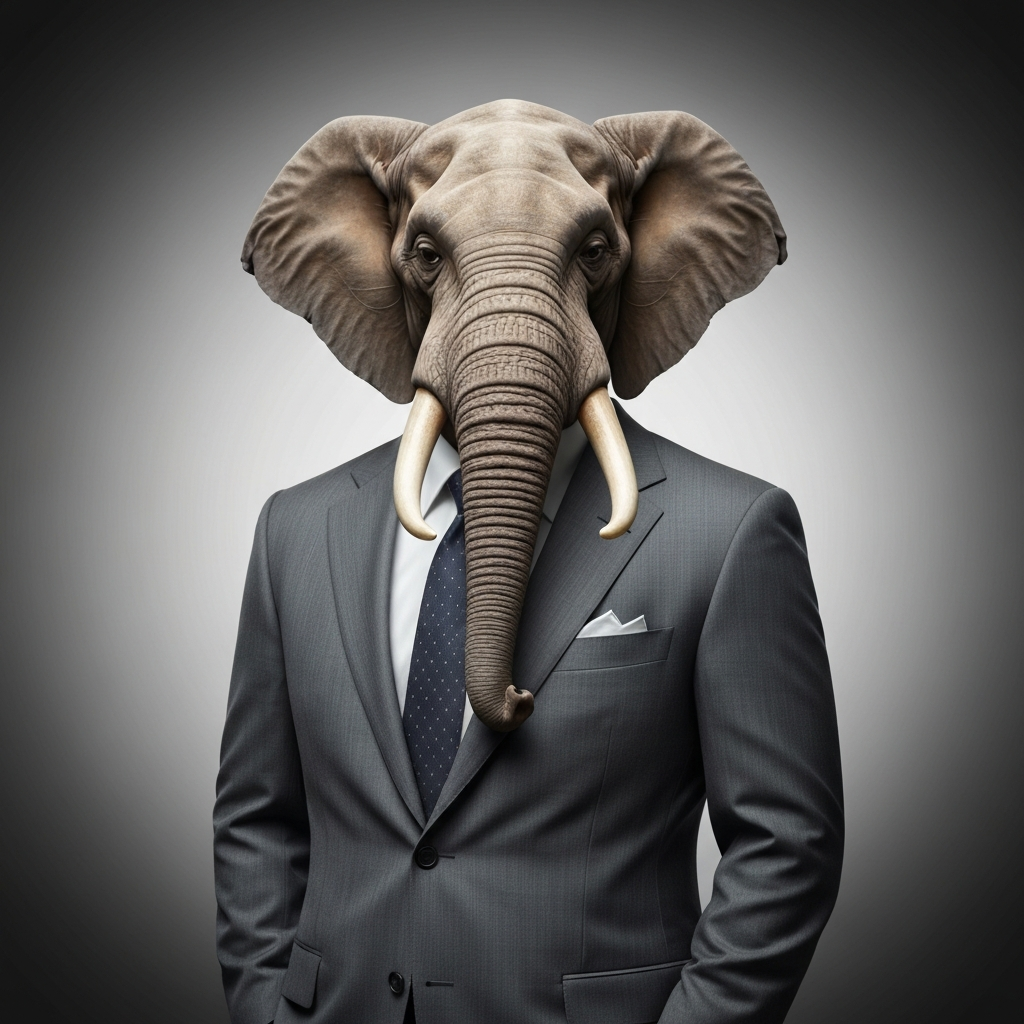
Silas
Database Architect

Felix
Frontend Developer
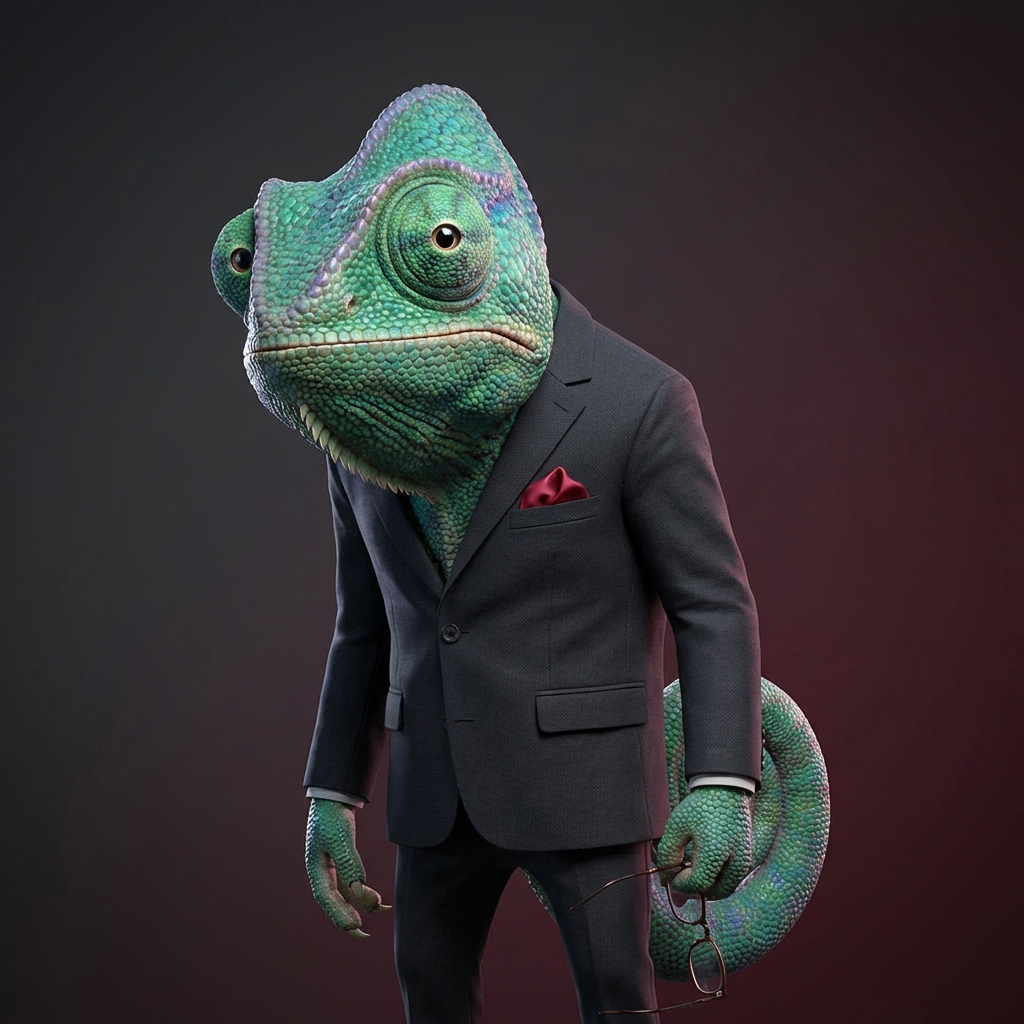
Reel
Video Editor
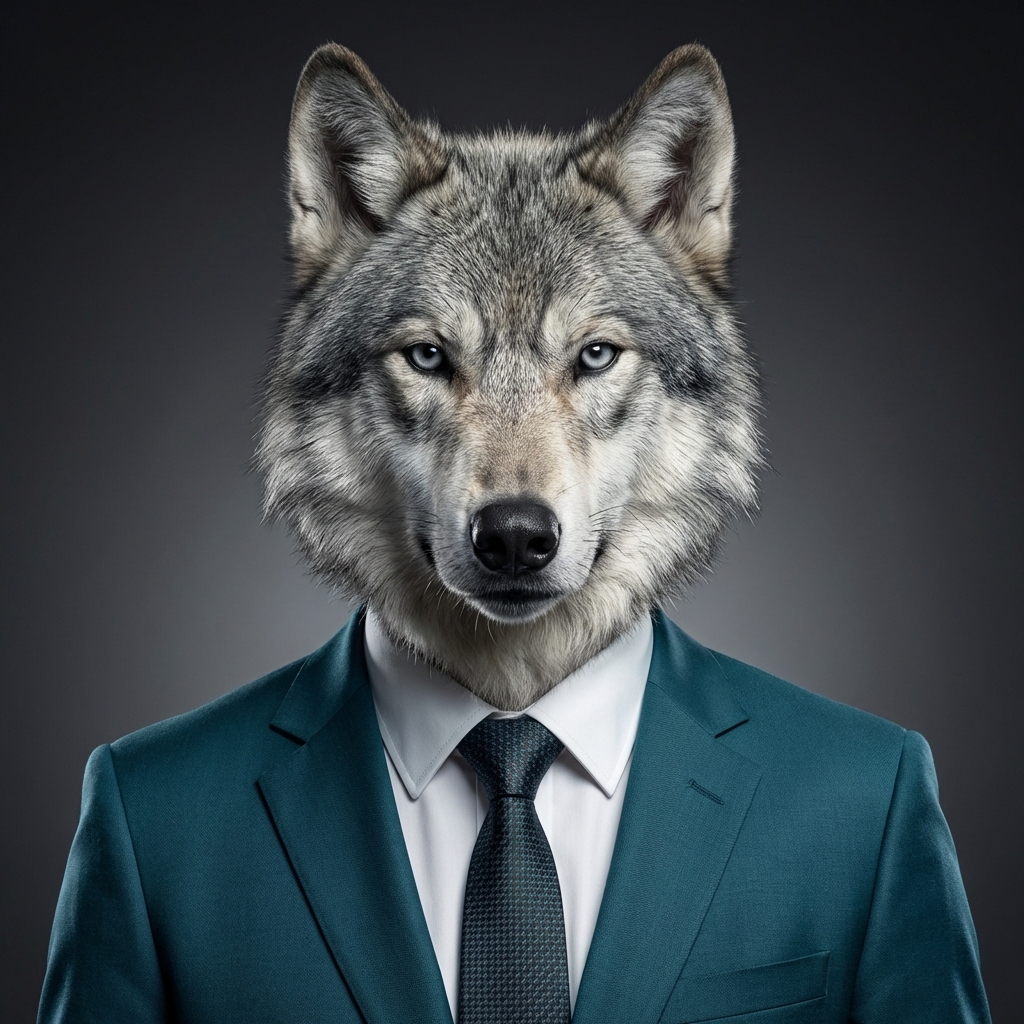
Sage
LinkedIn Growth Strategist

Rex
X Growth Strategist
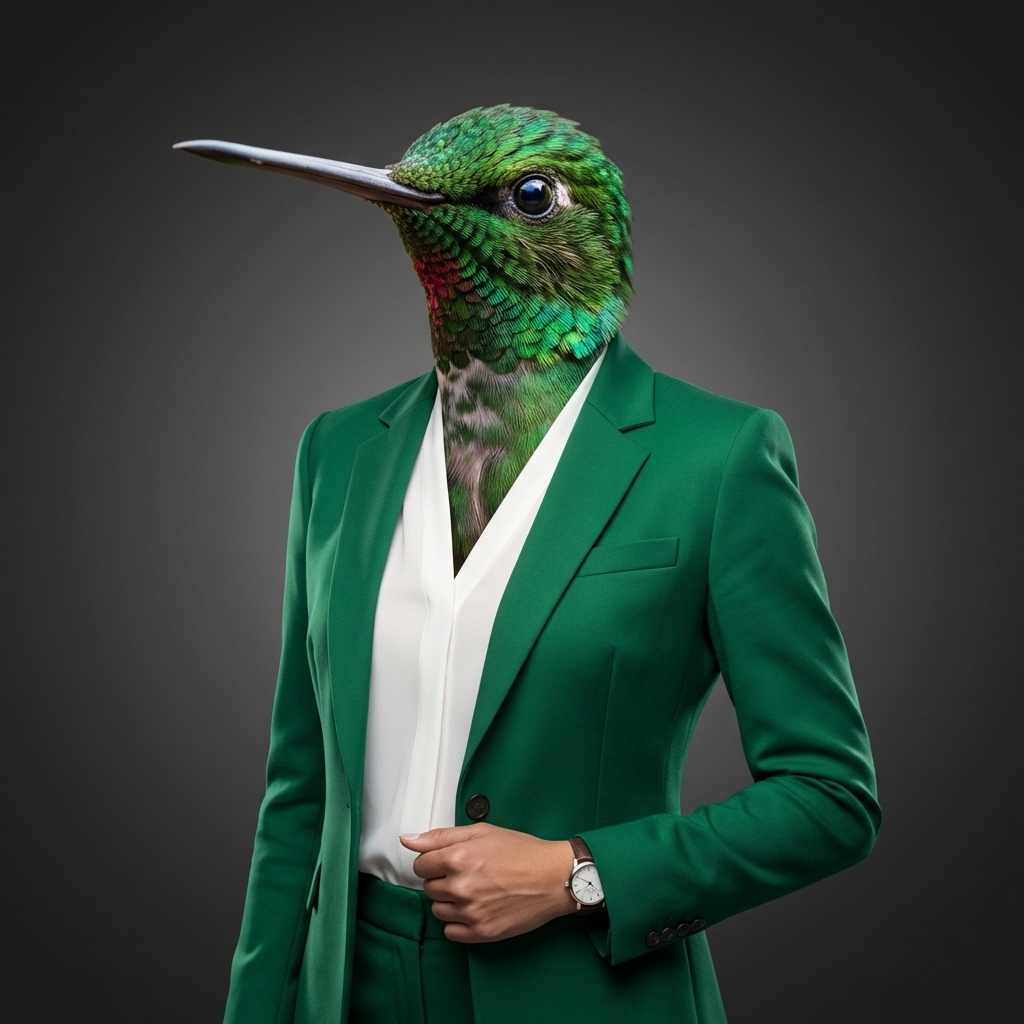
Iris
UI & Branding Designer
Vera
QA & Visual Inspector
Pixel
Thumbnail Creator & Illustrator
Buzz
Social Media Publishing
Knox
Mobile Platform Developer

Quinn
Quick Research Specialist
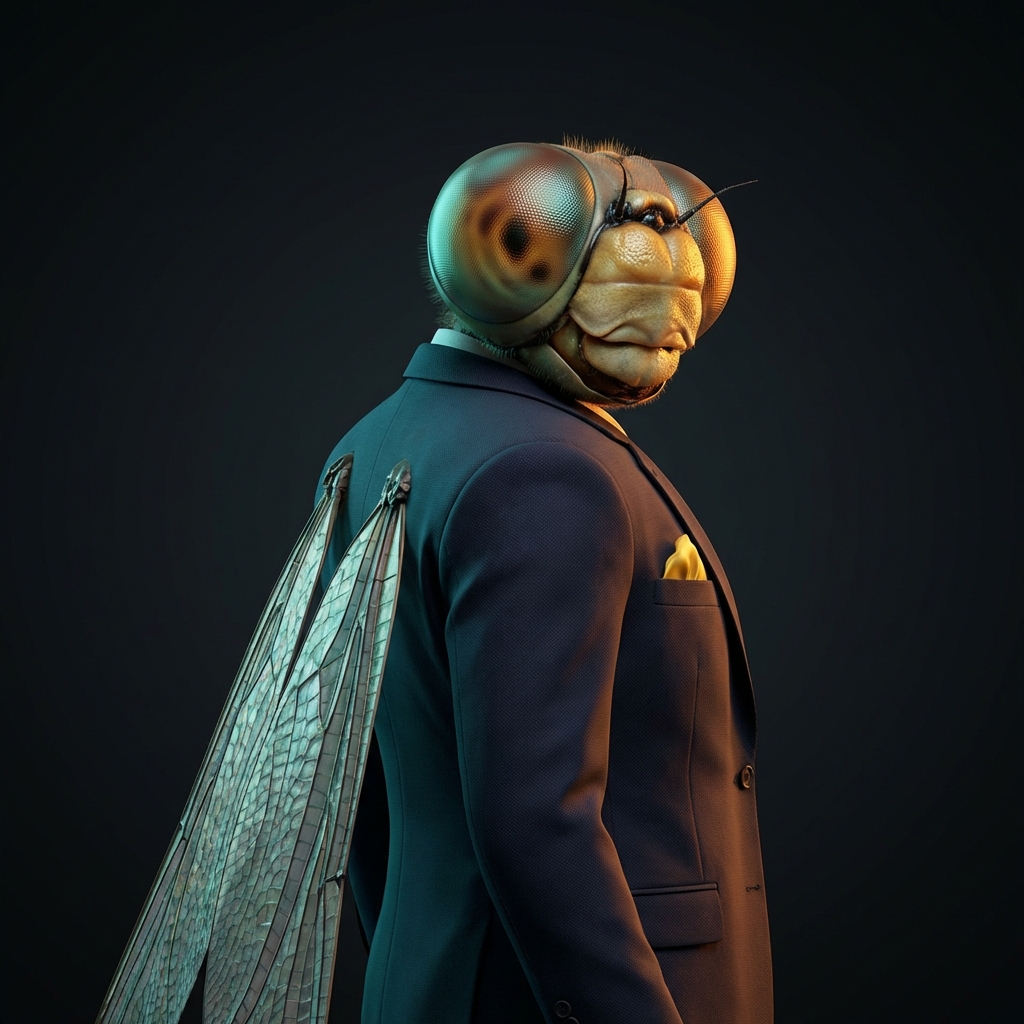
Scout
Trend Research Analyst
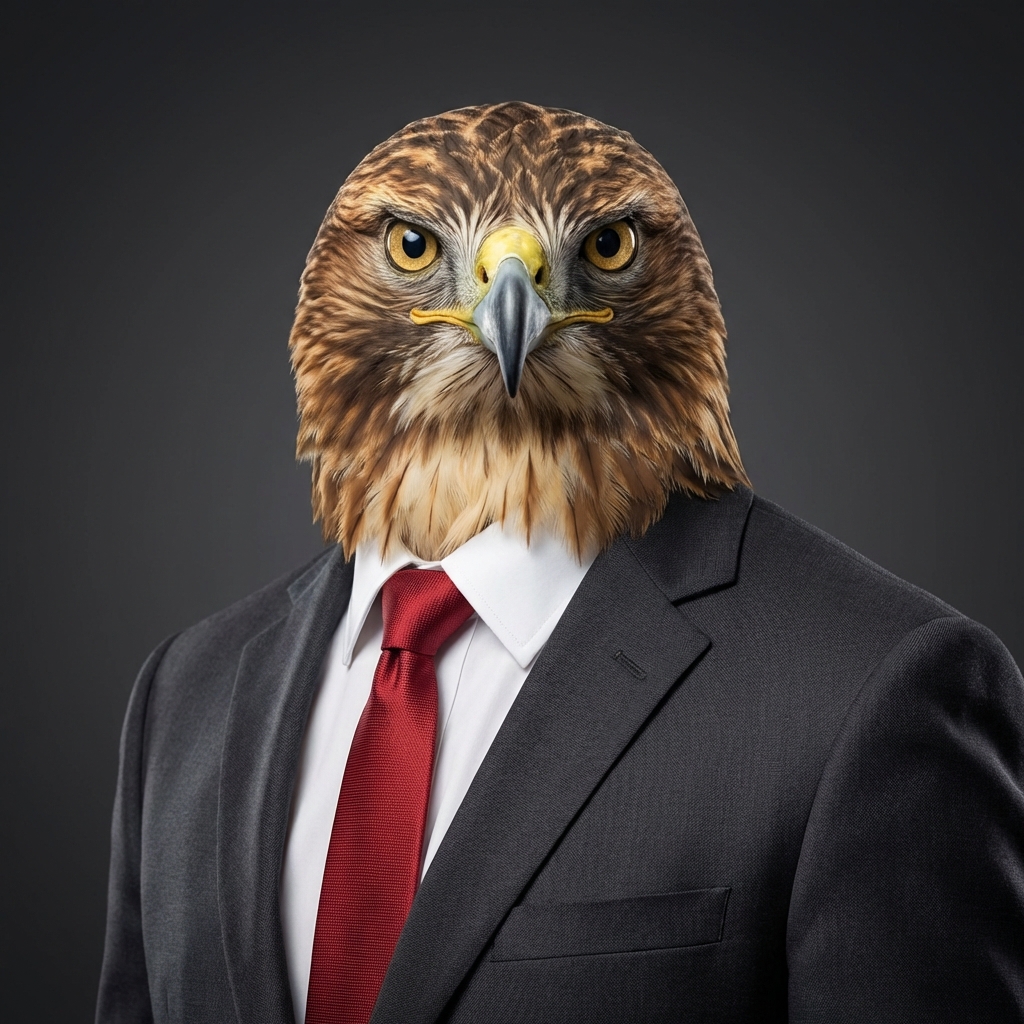
Marty
YouTube Analytics Strategist
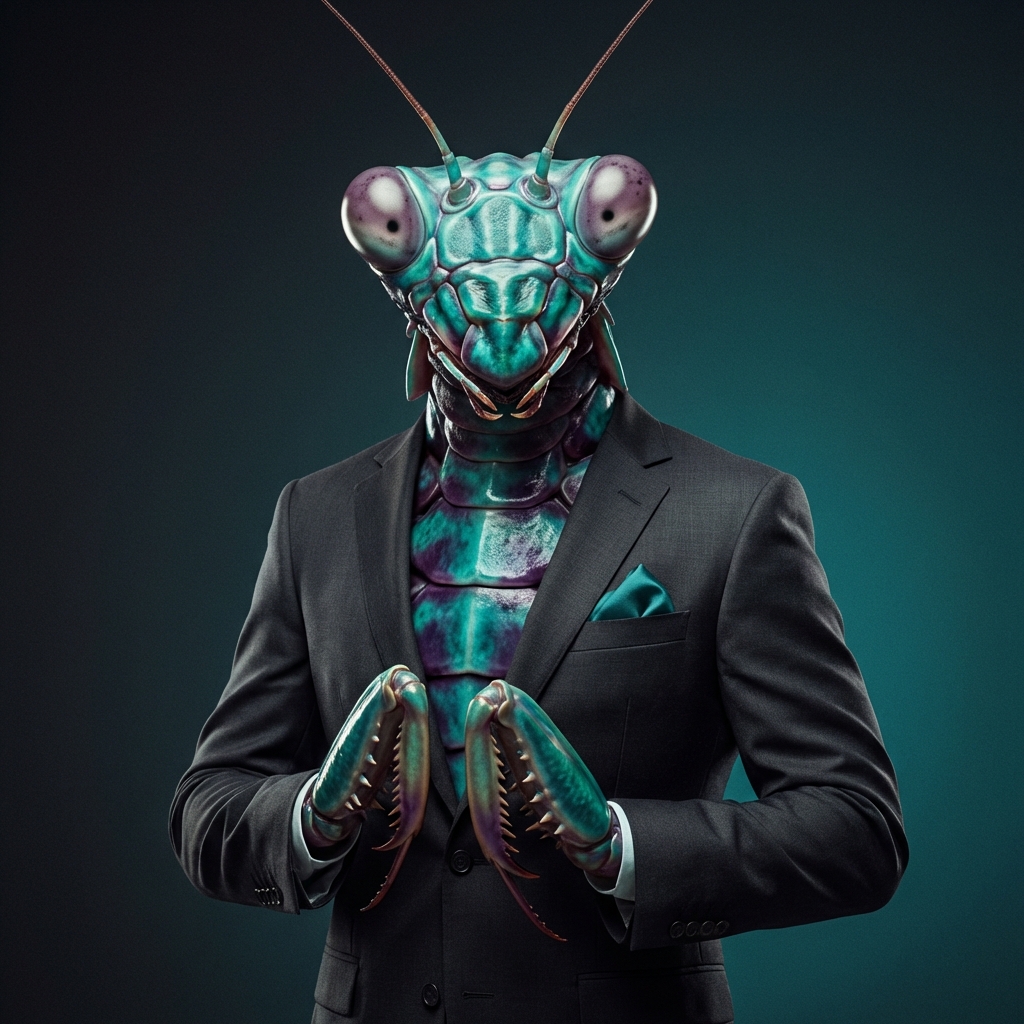
Kino
Motion Graphics Director

Lex
Legal & Compliance
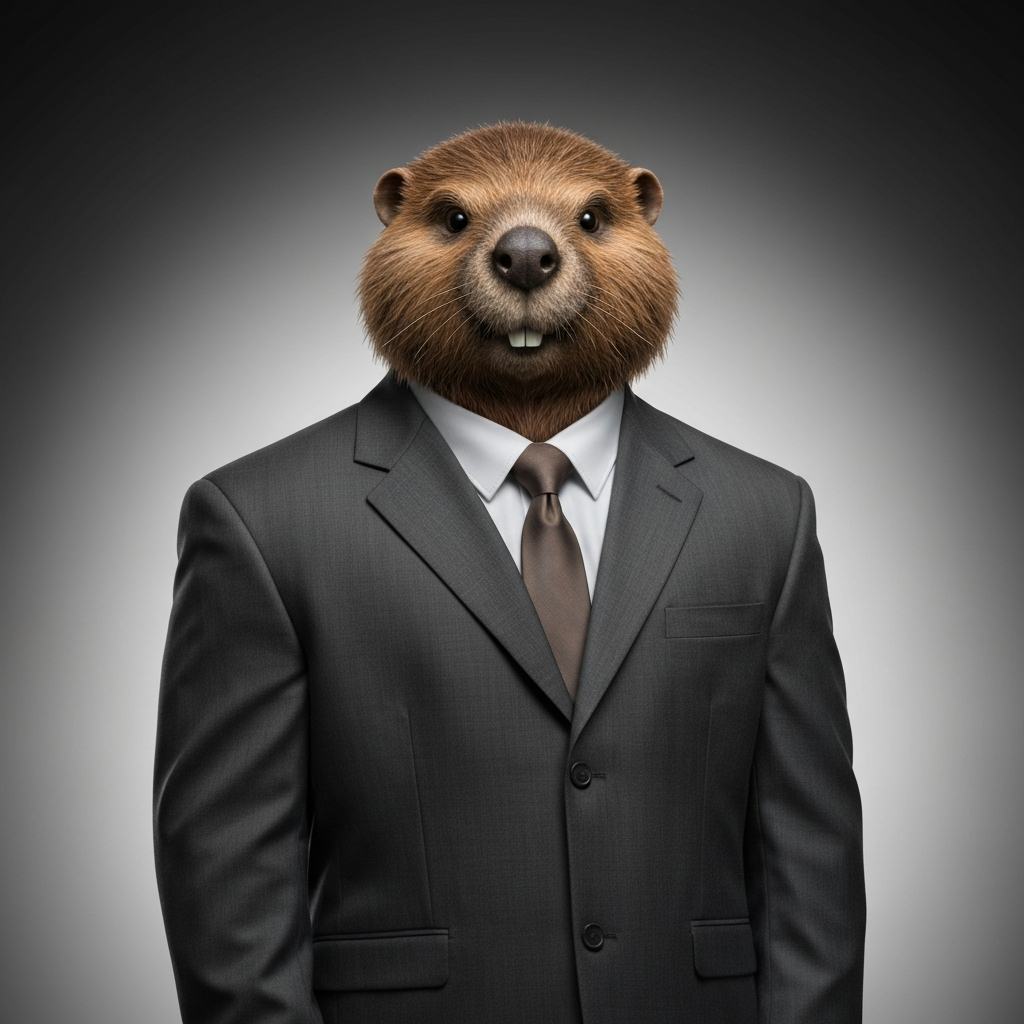
Mack
Automation & API Engineer
Cleo
YouTube Engagement Manager
Charta
Infographic Designer
Avery
Email & Support Specialist
Pax
Senior Research Specialist
Penn
YouTube Script Writer & Title Specialist
Dean
Course Creation Specialist
Flow
ReactFlow Specialist

Hunt
Product Hunt Launch Strategist

Cole
Conversion Copywriter & Growth Marketer
Vex
Application Security Engineer
Quill
Book Writer, Editor & KDP Publishing Expert